
Last updated September 10, 2026
Level 1 sweep and inspection to the NFPA 211 annual standard - flue, crown, cap, and flashing checked and photographed
Chimney sweep logs do not sweep chimneys. They loosen some creosote - which then falls where a brush and vacuum still have to collect it.

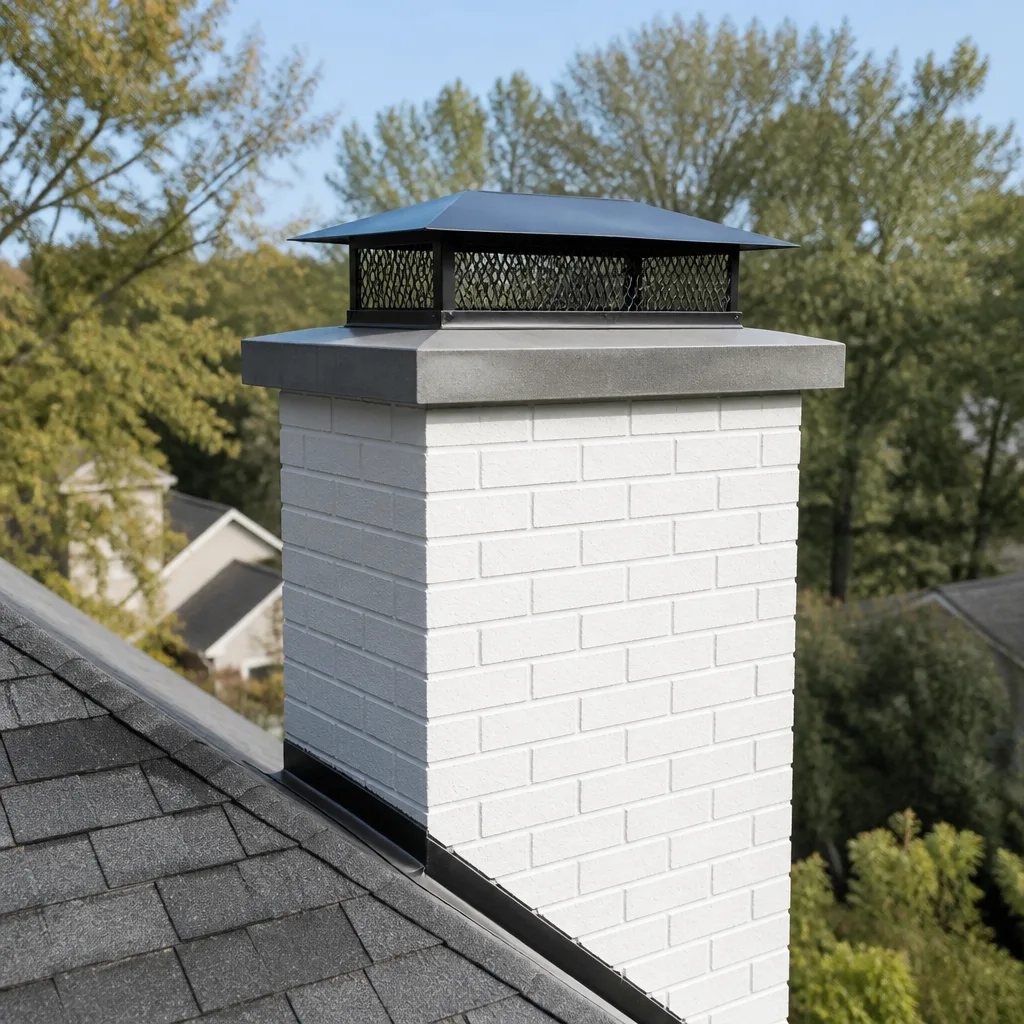
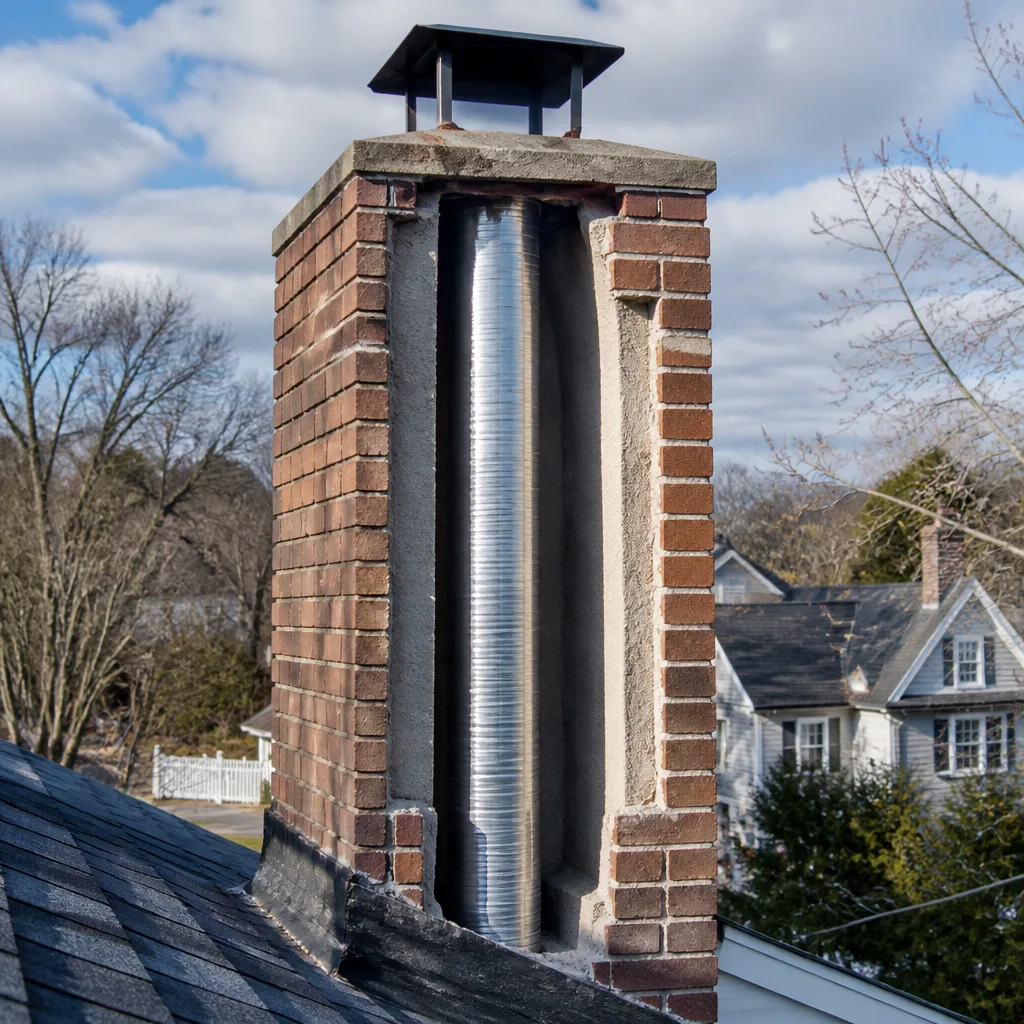
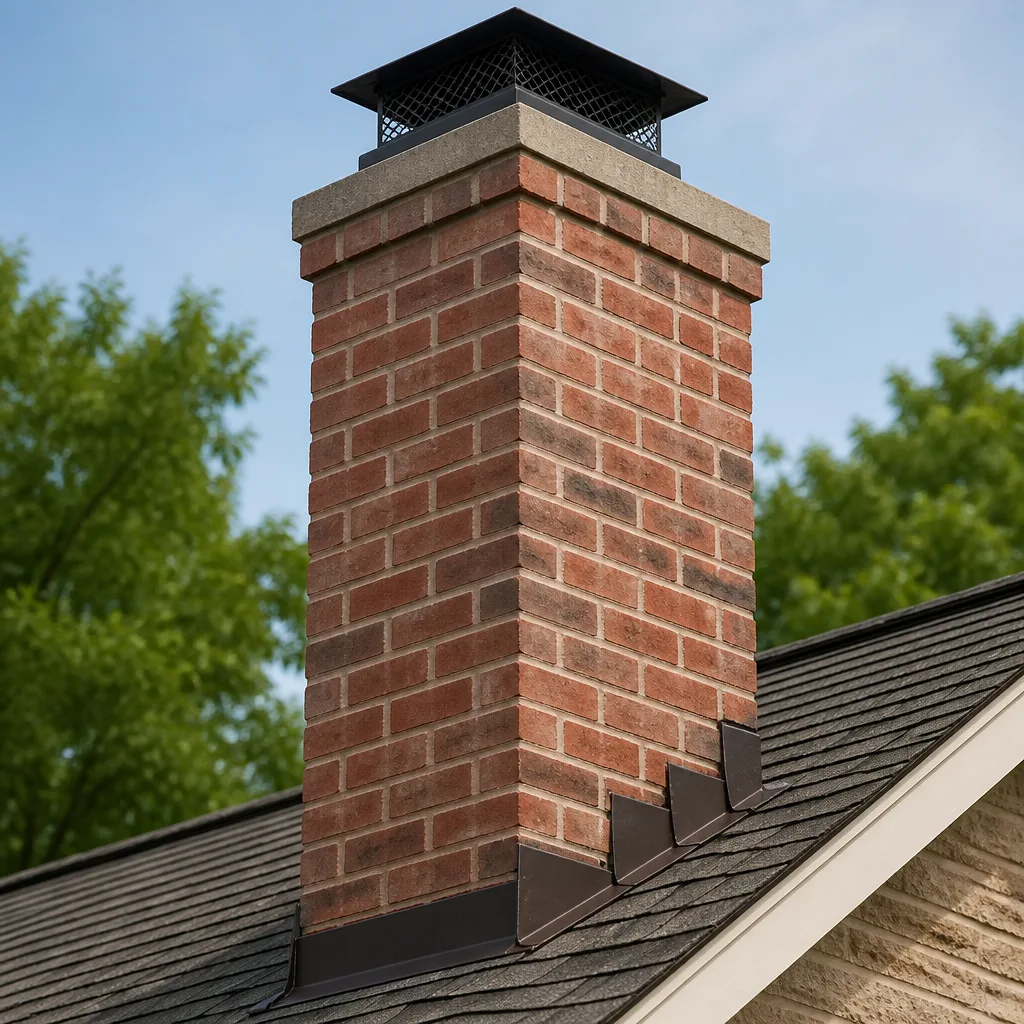
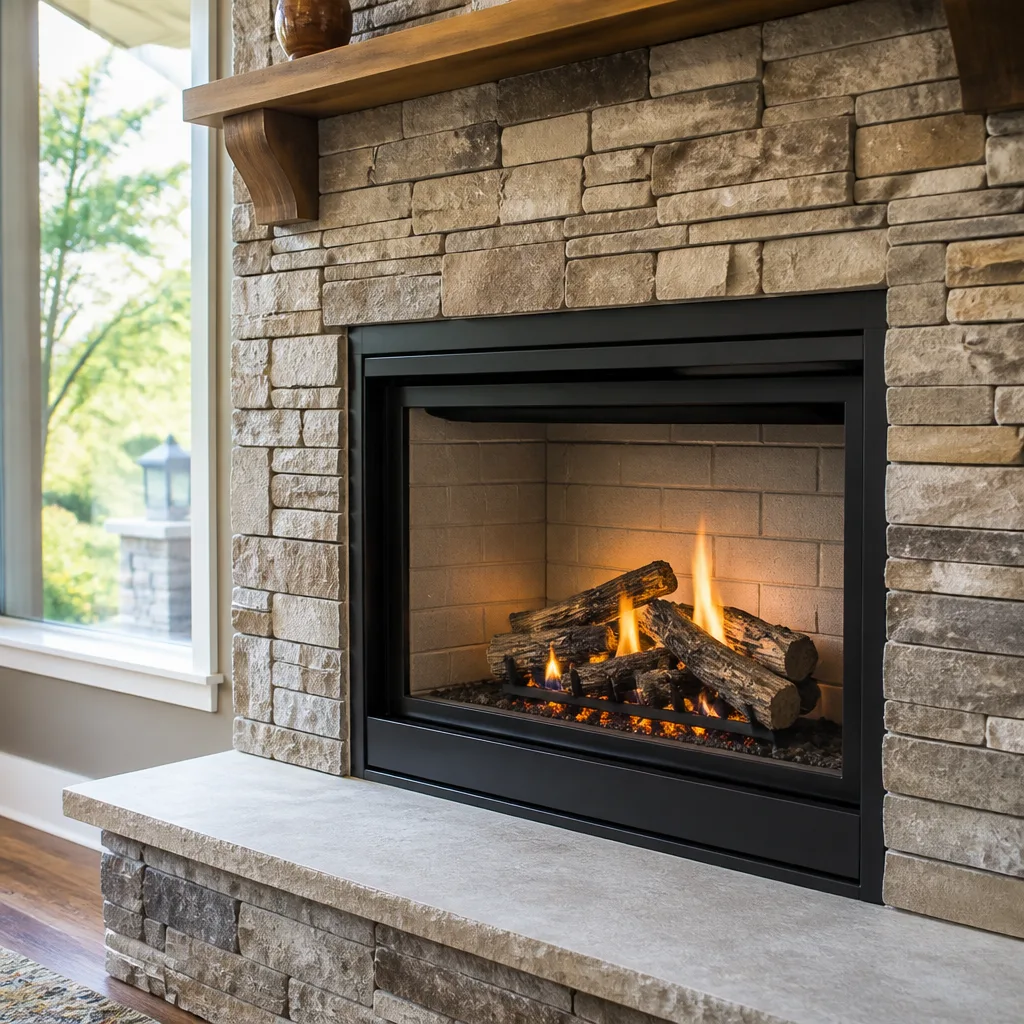
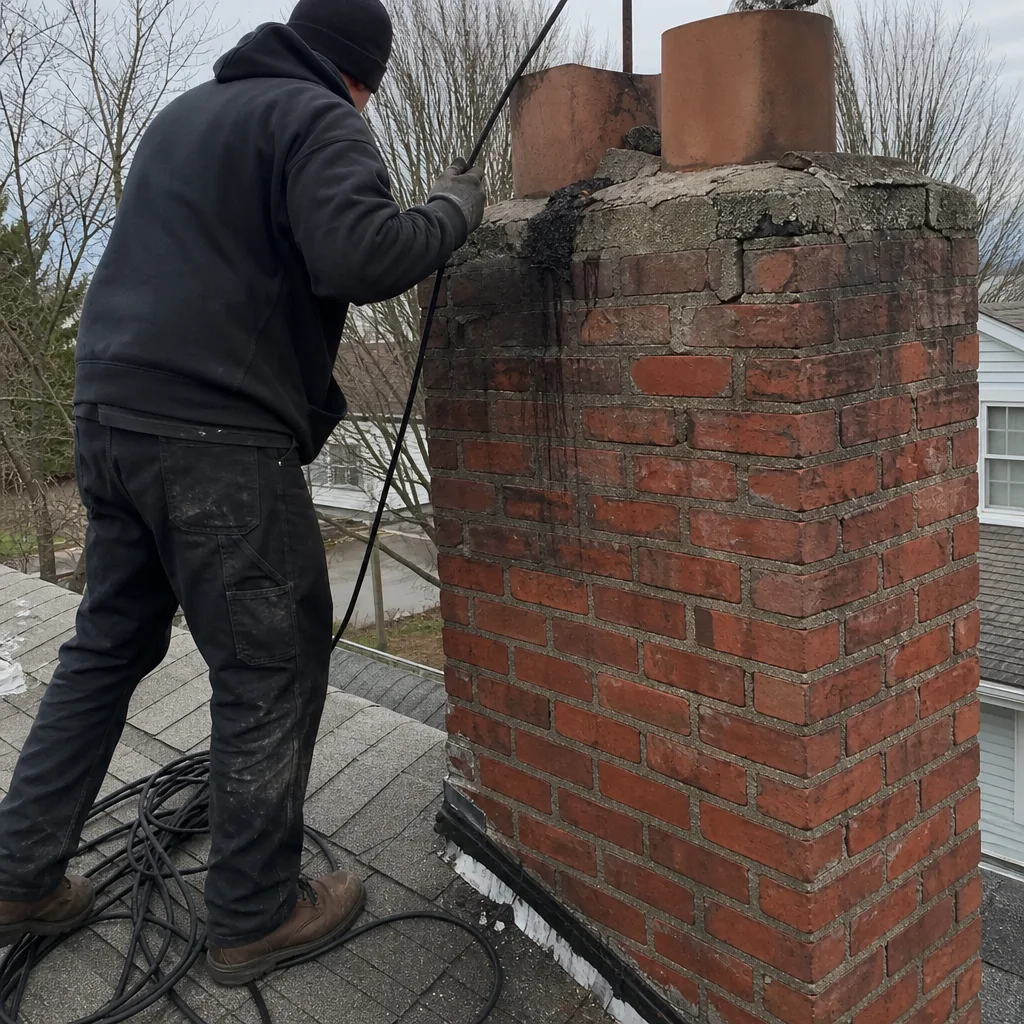 Before
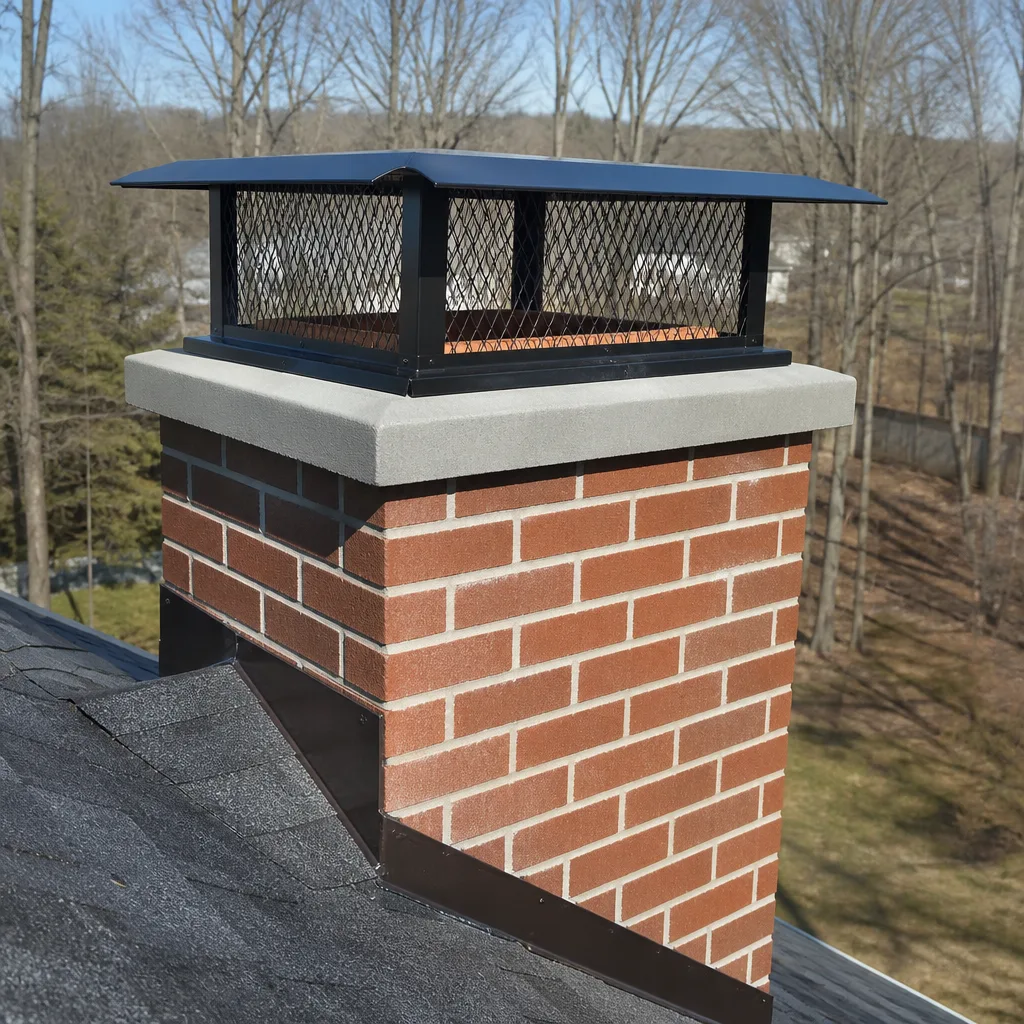 After
After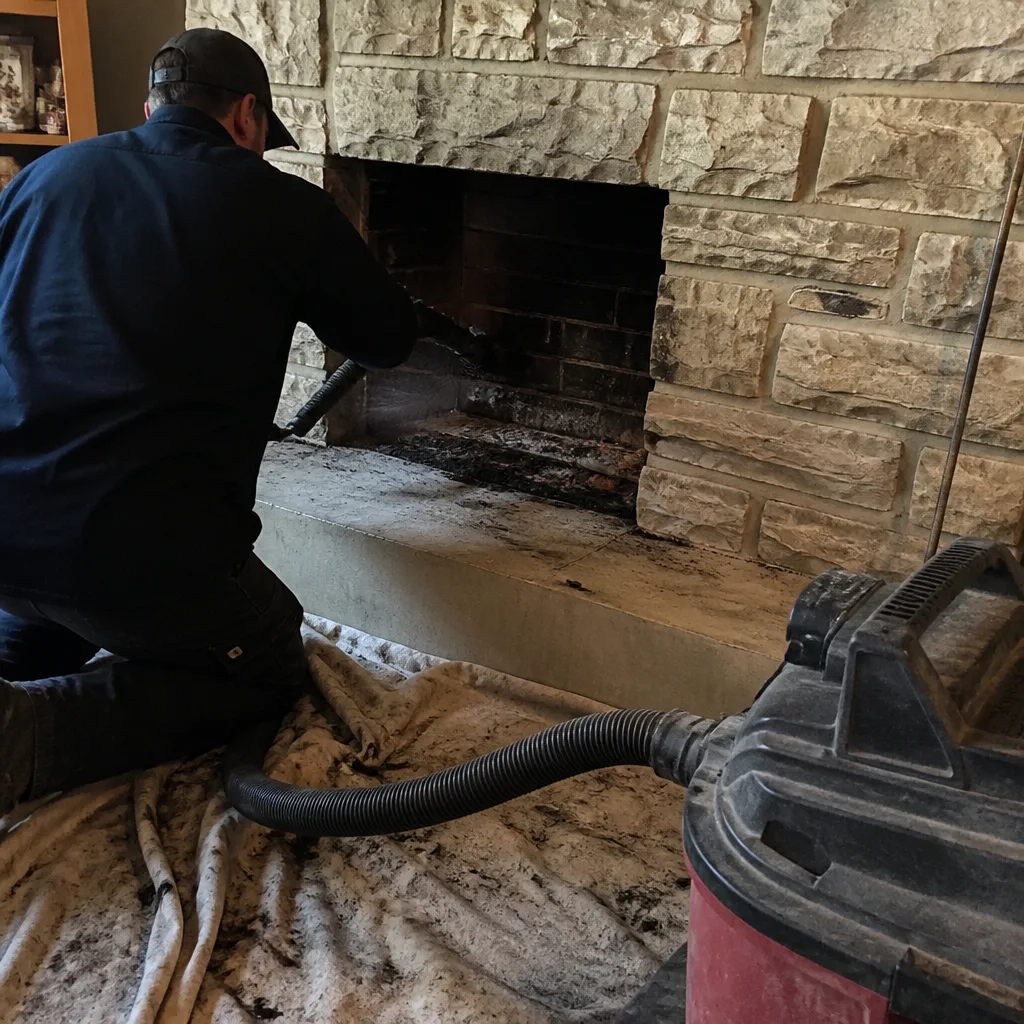 Before
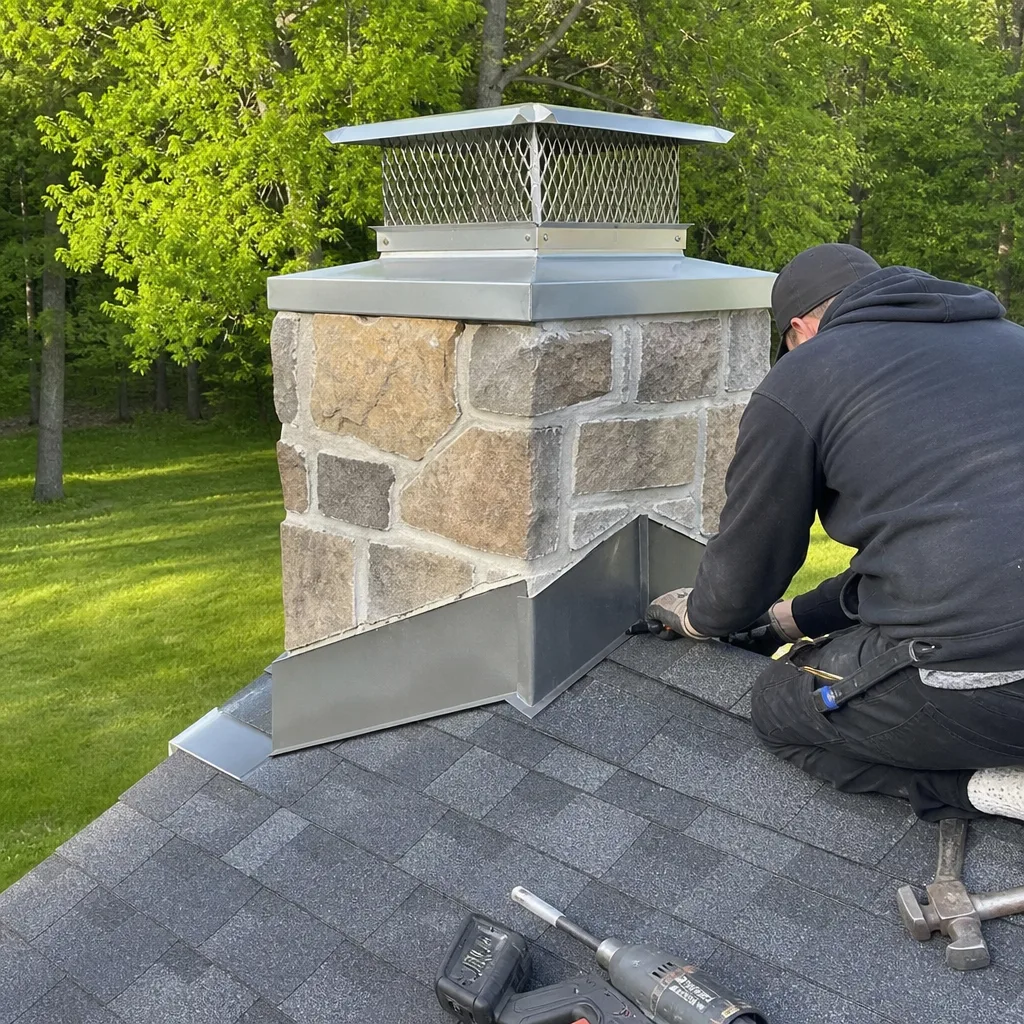 After
After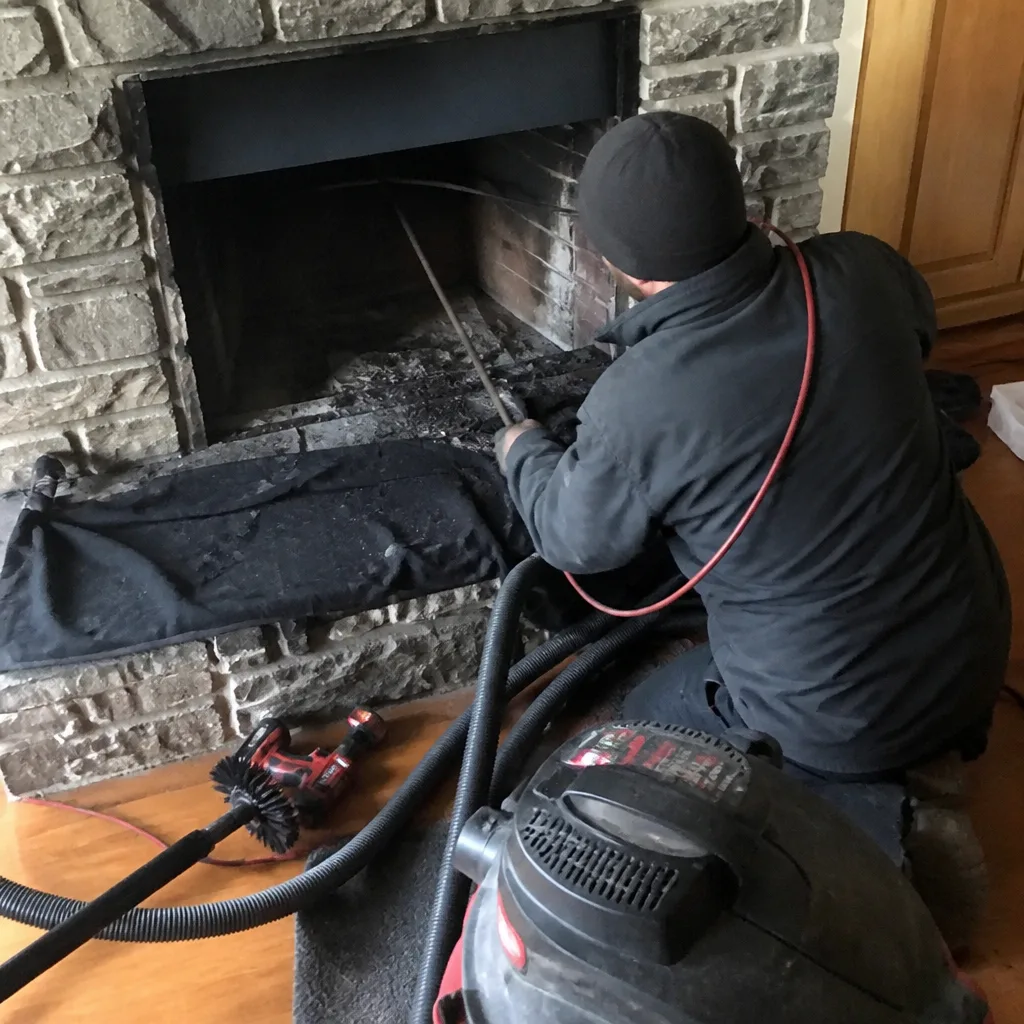 Before
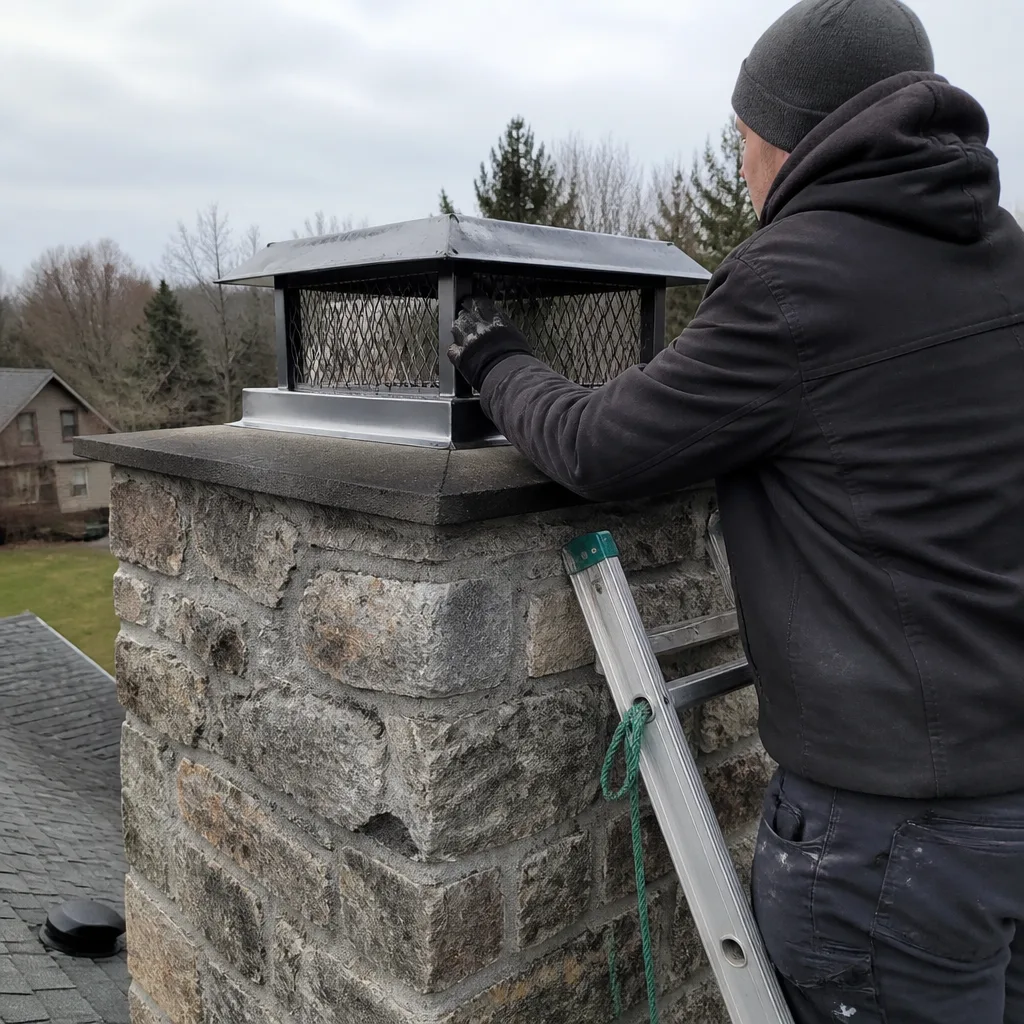 After
AfterChimney Cleaning Warning Signs: A Milford Homeowner’s Reference Guide
Most chimney problems announce themselves quietly. A fireplace that smells like a campfire on a humid August day when it hasn’t been used in months isn’t a mystery - it’s a specific, diagnosable creosote condition that tells you exactly what kind of cleaning is overdue. In Milford, where summer humidity climbs into the 80s and winter temperatures regularly drop below 20 degrees, chimneys endure more thermal stress than homeowners realize. We’ve spent over 42 years inspecting chimneys across Pike County, and the warning signs we see most often are the ones people dismiss as quirks right up until they are not quirks anymore. This guide gives Milford homeowners a plain-language reference for what each sign actually means and what to do next, and you can explore more guides & resources for year-round chimney care.
Quick Answer
The most common chimney cleaning warning signs Milford homeowners should watch for are: persistent smoke or campfire odors (especially in humid weather), visible black or brown creosote buildup thicker than 1/8 inch, a damper that sticks or resists movement, white efflorescence staining on exterior brick, and animal sounds or debris in the firebox. These symptoms indicate creosote accumulation, moisture intrusion, liner deterioration, or blockages that require professional inspection and sweeping before safe fireplace use. For a deeper look at proper maintenance, see The Complete Guide to Chimney Cleaning in Milford.
Table of Contents
- What Fireplace Odors Actually Tell You
- Reading the Stains: Creosote vs. Soot vs. Something Worse
- When a Sticky Damper Signals Liner Trouble
- The Warning Sign Everyone Ignores: White Staining on Exterior Brick
- Animal Intrusion in Pike County Chimneys
- Smoke Backing Up? Separating Cleaning Needs from Structural Draft Problems
- Subtle Performance Changes That Predict Bigger Problems
- How Often Should a Milford Chimney Be Inspected?
What Fireplace Odors Actually Tell You
Not all fireplace smells mean the same thing. Learning to distinguish them saves you from unnecessary worry and, more importantly, from missing a genuine hazard.
The Campfire Smell in Summer
That smoky odor drifting through your Milford living room on a July afternoon when the fireplace hasn’t seen a log since March? This is creosote, and its behavior is predictable. Creosote is a tar-like byproduct of incomplete wood combustion. It accumulates in three stages: flaky soot (Stage 1), porous crunchy flakes (Stage 2), and the hardened, glossy black coating we call Stage 3 or “glaze” creosote. Stage 3 creosote is highly combustible and requires specialized chemical treatment to remove safely.
In Milford’s humid summers, moisture activates dormant creosote deposits. The humidity opens the pores of the material, releasing volatile compounds that carry that unmistakable campfire smell into your house through the damper or any small gaps in the firebox. If you smell this, your chimney needs sweeping before the next burning season. The creosote is already present in sufficient quantity to create odor; it is present in sufficient quantity to create risk.
We’ve inspected chimneys in the Milford area where homeowners lived with this smell for years, assuming it was “just how old chimneys are.” It is not. It is how chimneys become dangerous.
The Musty or Damp Earth Smell
A musty odor suggests water intrusion, not creosote. In Milford, where annual precipitation exceeds 47 inches and freeze-thaw cycles are severe, water finds its way into masonry through crown cracks, deteriorated mortar joints, or failed flashing. The smell may concentrate after rain or during spring snowmelt. This condition demands inspection for structural water damage before any cleaning occurs. Sweeping a water-damaged flue can mask the underlying problem and accelerate deterioration.
The Sharp, Acrid or Chemical Smell
Never ignore a sharp, chemical, or asphalt-like odor. This can indicate improper materials burned in the fireplace - treated lumber, painted wood, or plastics - which deposit corrosive residues. It can also signal a chimney fire has already occurred, leaving behind degraded creosote with altered chemistry. Either way, discontinue use and schedule a Level-2 camera inspection. In our experience across Pike County, this smell correlates with hidden flue damage in roughly one of every four cases we investigate.
- Campfire smell in warm weather: Stage 2-3 creosote, needs sweeping
- Musty or earthy smell: Water intrusion, needs leak diagnosis first
- Acrid or chemical smell: Possible prior chimney fire or improper fuel, needs immediate Level-2 inspection
Reading the Stains: Creosote vs. Soot vs. Something Worse
Homeowners often peer into their firebox and see discoloration without knowing what story it tells. The pattern, color, and location of staining reveal whether you have a cleaning problem, a combustion problem, or an appliance problem.
Black, Powdery Soot
Light, powdery black soot that wipes off easily is normal residue from efficient wood burning. A thin layer after a season of use is expected. However, if you’re generating thick soot after only a few fires, or if soot is accumulating on exterior masonry above the roofline, you have incomplete combustion. Causes include:
- Insufficient combustion air (modern tight houses in Milford’s newer developments are especially prone to this)
- Wet or unseasoned firewood (moisture content above 20%)
- An oversized firebox for the connected flue
- A blocked or partially obstructed flue
The firewood issue is particularly common in Pike County. We’ve had Milford homeowners tell us they “seasoned” wood for six months after cutting. In our climate, with average humidity above 70% for much of the year, softwoods need 6-12 months and hardwoods need 12-24 months to reach proper moisture content. We keep a moisture meter in our truck and check client wood piles when the combustion pattern suggests fuel problems.
Brown or Gummy Residue
Sticky, brown, or rainbow-sheened residue is Stage 2 creosote transitioning to Stage 3. It indicates slow, smoldering fires - often from closing the damper too early or burning at too low a temperature. This material is actively fuel for chimney fires. The National Fire Protection Association reports that creosote ignition occurs at approximately 451°F, and a concentrated deposit can sustain temperatures exceeding 2,000°F.
White or Gray Ashy Deposits on Firebox Walls
Heavy white or light gray deposits indicate alkaline residue, typically from burning manufactured firelogs with excessive wax content or from coal ash in mixed-fuel setups. These residues are corrosive to stainless steel liners over time. If you see this pattern, document it with photos for your sweep and discontinue use of the suspect fuel.
Reddish-Brown Staining
Rust-colored staining on metal components or masonry indicates moisture reacting with iron content - either from the fire grate, a deteriorating liner, or structural rebar within the chimney. In Milford’s wet climate, this is a reliable early indicator that water is finding persistent entry points.
When Staining Location Matters
Staining concentrated on the smoke shelf or above the damper suggests downdraft problems or improper fire-starting technique. Staining evenly distributed up the flue indicates normal use with overdue cleaning. Staining only on one side of the flue indicates a structural lean or liner failure creating uneven draft. Our chimney repair work in Milford frequently begins with calls where the homeowner noticed asymmetric staining months earlier and didn’t know what it meant.
When a Sticky Damper Signals Liner Trouble
The damper is the mechanical gate between your living space and the flue. When it becomes difficult to open or close, homeowners blame the mechanism itself - rust, creosote buildup on the throat, a bent handle. Sometimes this is correct. Often, it is not.
A damper that suddenly seems harder to operate can be the first physical symptom of liner deterioration higher in the flue. Here’s how: as a clay tile liner cracks or spalls, fragments dislodge and settle onto the smoke shelf or damper frame. These fragments jam the mechanism. A stainless steel liner that has separated from its top anchor can sag, contacting the damper assembly from above. In either case, the damper is telling you about a problem that originated ten or twenty feet above your head.
We’ve replaced dampers in Milford homes where the real problem was a collapsed liner section that had been dropping debris for two seasons. The homeowner kept lubricating the damper. The damper kept sticking. The liner kept failing.
What to Check (Safely)
With the damper fully open and a flashlight aimed up the flue, look for:
- Visible fragments of clay tile on the smoke shelf or damper frame
- An obvious obstruction or shadow line where the flue should be open
- Daylight visible through cracks in a clay tile liner (requires bright conditions and careful angling)
Do not attempt to clear obstructions yourself. The smoke shelf is directly above the firebox, and dislodged material can fall onto your face or into your eyes. More critically, if the liner has failed, the structural integrity of the chimney may be compromised in ways not visible from below. This is work for a technician with a camera and training.
Our Level-2 camera inspections document the full length of the flue with photographs you can see and a plain-English verdict you can understand. In Milford’s older housing stock - particularly the stone and brick homes built between 1890 and 1940 in the historic district and along Broad Street - original clay tile liners are reaching or exceeding their design lifespan. The damper is often the first messenger of this aging.
The Warning Sign Everyone Ignores: White Staining on Exterior Brick
Walk outside and look at your chimney. White, powdery staining on the brick face - efflorescence - is the warning sign homeowners almost universally dismiss as cosmetic, or don’t notice at all. It is not cosmetic. It means water is already inside the masonry, dissolving soluble salts, and depositing them on the surface as moisture evaporates.
In Milford, where winter temperatures regularly plunge below 15°F and spring thaws come suddenly, this process accelerates dramatically. Water enters through crown cracks, deteriorated mortar joints, or failed flashing. It saturates the brick. When temperatures drop, the water freezes and expands, creating micro-fractures. The next thaw releases more water to carry dissolved salts outward. Each cycle enlarges the pathways for more water.
By the time efflorescence is visible, this freeze-thaw damage has been occurring for at least one season, often several. The white staining is not the problem. It is the evidence that a serious problem is underway.
What Efflorescence Tells You About Interior Conditions
Exterior efflorescence correlates strongly with interior flue damage. Water migrating through masonry degrades mortar joints from both sides. It rusts steel liners, spalls clay tile, and corrodes stainless steel at weld points. It creates the musty odors we discussed earlier. And it sets the stage for accelerated creosote accumulation, because wet flue surfaces cool combustion gases faster, causing more condensation and deposit formation.
We’ve rebuilt chimney crowns and repointed masonry on homes throughout Milford’s Matamoras, Westfall, and Dingman Township service areas where efflorescence was the only visible warning sign - and the interior flue damage was extensive enough to require liner replacement. The homeowners were surprised. They shouldn’t have been. The chimney had been telling them for years.
Distinguishing Efflorescence from Other Staining
| Appearance | Cause | Urgency |
|---|---|---|
| White, powdery, brushes off easily | Efflorescence - active water intrusion | Schedule inspection within 2-4 weeks |
| Green or black, organic growth | Algae or moss - chronic moisture, often shaded exposure | Schedule inspection, address drainage |
| Dark streaking from top down | Crown failure or cap absence - direct water entry | Schedule inspection within 1-2 weeks |
| Rust staining below metal components | Corroding flashing or cap - active metal degradation | Schedule inspection promptly |
Our fireplace services in Milford include crown assessment and water intrusion diagnosis using interior camera inspection correlated with exterior condition documentation. We don’t guess. We show you the photos.
Animal Intrusion in Pike County Chimneys
Animal sounds, debris, or nesting material in the firebox represent an active blockage and a potential fire hazard. In Pike County, the species we encounter most frequently are:
- Chimney Swifts: Small, cigar-shaped birds that nest inside chimneys and are protected under the Migratory Bird Treaty Act. Removal during nesting season (roughly May through August) requires federal permits and should not be attempted. Their nests are constructed of twigs cemented with saliva, creating substantial blockage.
- Raccoons: Excellent climbers that enter through uncapped flues or damaged crowns. They establish dens on smoke shelves or in abandoned flues. Raccoon roundworm is a documented health hazard in their feces.
- Squirrels: Particularly active in autumn as they seek winter shelter. They pack leaves, twigs, and shredded material into tight nests that severely restrict draft.
- Bats: Often found in exterior masonry gaps rather than the flue itself, but their guano accumulations create odor and histoplasmosis risk.
The Sequence for Safe, Legal Resolution
- Confirm the species if possible. Different animals require different approaches, and protected species have specific legal restrictions.
- Do not start a fire. This seems obvious but bears stating: smoke and heat will drive animals downward, potentially into your living space, and will ignite nesting material.
- Do not attempt removal yourself. Raccoons bite. Distressed birds fly at faces. Guano disturbs become inhalation hazards. This is not a DIY project.
- Call a professional who understands both wildlife and chimney systems. We coordinate with licensed wildlife handlers when protected species are involved, then perform thorough cleaning and install appropriate exclusion devices.
- Install a proper chimney cap with appropriate mesh. Standard 3/4-inch mesh excludes most animals while allowing proper draft. We use caps from Famco and Copperfield, selected for your specific flue dimensions and exposure conditions.
In our experience serving Milford and surrounding Pike County communities, animal-related calls spike in late September through November and again in March through May. If you hear scratching, chirping, or movement in your chimney, the time to address it is before you need your first fire of the season.
Smoke Backing Up? Separating Cleaning Needs from Structural Draft Problems
Smoke spilling into the room when you light a fire is alarming. It is also diagnostically rich. The key is distinguishing between a cleaning problem and a structural draft problem - and you can begin this assessment from your living room before we arrive.
Signs That Point to Cleaning or Blockage
Smoke backup that worsens as the fire establishes, or that occurs only with the damper in certain positions, suggests physical obstruction. Common causes include:
- Heavy creosote buildup narrowing the flue
- Nesting material or animal debris
- Collapsed liner sections
- Excessive ash accumulation on the smoke shelf
These conditions typically develop gradually. The homeowner notices “this year the fireplace seems smokier than last.” The change is incremental until it becomes unacceptable.
Signs That Point to Structural Draft Problems
Smoke backup that occurs immediately upon lighting, that persists regardless of damper position, or that happens only under specific weather conditions indicates a draft system problem. In Milford’s hilly terrain, with homes built at varying elevations and exposures, we see several common scenarios:
Negative pressure in tight houses. Modern energy-efficient homes, and older homes that have been aggressively air-sealed, can depressurize when exhaust fans, dryers, and HVAC systems operate simultaneously. The house becomes a better chimney than the chimney. The fireplace cannot overcome the pressure differential. This is particularly common in newer construction in Milford’s developing areas.
Improper flue sizing. A flue that is too large for the firebox cannot establish sufficient draft velocity. Combustion gases cool and sink before exiting. This is common when original fireplaces have been modified with insert installations without proper liner resizing.
Exterior downdrafts. Milford’s topography and tree cover create microclimates where wind patterns force air downward into chimney terminations. The wrong cap design or cap absence exacerbates this. We’ve solved draft problems on homes near the Delaware River and in elevated locations above Route 6 simply by installing proper draft-inducing caps.
Temperature differential issues. A cold flue on a winter morning cannot establish draft until warmed. This is normal physics, but excessive flue cooling from exterior exposure or poor insulation makes it problematic.
The Living Room Test
Before calling, note: Does the problem occur only on cold starts, or throughout the burn? Only on windy days, or consistently? Only when other appliances run, or always? Only with certain wood, or all fuel? These observations guide our diagnostic approach and often let us bring the right equipment on the first visit. Most of our Milford chimney cleaning appointments that turn into repair referrals begin with a homeowner who has observed these patterns carefully.
Subtle Performance Changes That Predict Bigger Problems
Not all warning signs are dramatic. Some are gradual degradations that homeowners adapt to without recognizing as symptoms. We’ve learned to ask specific questions during Milford service calls because the answers reveal problems the homeowner hasn’t connected to chimney condition.
“It Takes Longer to Get a Fire Going”
Extended kindling time, multiple match attempts, or fires that seem to “struggle” to establish suggest degraded draft, partial flue obstruction, or moisture in the system. Each of these has distinct causes and distinct solutions, but all share the common feature of being progressive. Next season will be worse.
“We Use More Wood Than We Used To”
Increased fuel consumption for equivalent heat output indicates incomplete combustion. The fire is sending unburned hydrocarbons up the flue rather than radiating them into the room. This accelerates creosote accumulation while wasting fuel. In Milford, where seasoned hardwood runs $250-$350 per cord delivered, this is not merely a maintenance issue - it is an operating cost issue.
“The Glass Doors Stay Dirty No Matter What”
Blackened glass after normal burning indicates a fuel-rich, oxygen-poor combustion environment. Causes include closed dampers, insufficient combustion air, or improper wood loading. Persistent glass sooting despite proper technique suggests a deeper draft or appliance problem.
“We Smell Smoke in the Basement”
Smoke odor in lower levels of the house indicates leakage from the chimney structure into framing cavities or adjacent flues. This is a significant structural concern requiring immediate inspection. In Milford’s older homes with multiple fireplaces sharing a common chimney breast, deteriorated parging between flue passages allows cross-contamination. This condition is not visible from any single firebox and requires camera inspection to diagnose.
“The Fire Doesn’t Seem as Hot”
Reduced radiant heat with normal fuel suggests a cracked fireback, deteriorated refractory panels, or a heat exchanger compromised by rust or separation. These components are replaceable, but continued use with failed refractory exposes surrounding combustibles to excessive temperatures.
Our Level-2 inspections document all of these conditions with photographs and plain-English explanations. We don’t use the photos to sell you something you don’t need. We use them so you can see what we see and make an informed decision about timing and priority.
How Often Should a Milford Chimney Be Inspected?
The National Fire Protection Association Standard 211 recommends annual inspection of all chimney systems, regardless of use frequency. This is not a revenue-generating suggestion from the chimney industry. It is a safety standard written by fire prevention professionals who have analyzed failure patterns across thousands of residential fires.
For Milford specifically, we recommend considering these additional factors:
- Heavy use (more than 3 times weekly during heating season): Annual sweeping plus mid-season inspection
- Moderate use (1-3 times weekly): Annual inspection with sweeping as indicated by deposit measurement
- Occasional use (holiday and special occasion): Annual inspection, sweeping typically every 2-3 years unless deposits exceed 1/8 inch
- Gas appliance only: Annual inspection for venting integrity, corrosion, and debris; sweeping rarely needed but not never
- Recently purchased home: Immediate Level-2 inspection regardless of seller disclosures; we find undisclosed problems in approximately 40% of real-estate transaction inspections
Milford’s climate intensifies several deterioration mechanisms. Freeze-thaw cycling is severe. Summer humidity activates dormant deposits. Spring and fall temperature swings stress expansion joints and crown seals. These factors don’t necessarily mean more frequent sweeping for every homeowner, but they do mean that annual inspection is genuinely more important here than in milder climates.
Our Hearthstone Chimney Co. home page lists current seasonal scheduling. We recommend booking inspection appointments in late summer or early fall, before the October-November rush when every sweep in Pike County is booked two weeks out.
Common Mistakes to Avoid
- Assuming no smell means no problem. Creosote deposits can reach dangerous levels without producing noticeable odor, particularly in dry winter conditions when humidity isn’t activating volatile compounds. The absence of smell is not evidence of cleanliness.
- Using chimney cleaning logs as a substitute for sweeping. These products may reduce light soot deposits but cannot remove Stage 2 or 3 creosote and do not address structural issues. We’ve inspected Milford chimneys where homeowners used cleaning logs annually for a decade, believing they were maintaining the system. The creosote accumulation was substantial.
- Hiring based on the lowest quoted price without verifying credentials. Pennsylvania does not require chimney-specific licensing, so anyone with a brush and a truck can advertise as a sweep. Verify liability insurance, ask about certification through CSIA or equivalent organizations, and request references from recent local work.
- Ignoring the exterior because the fireplace “works fine.” The most expensive chimney repairs we perform in Milford - rebuilds, liner replacements, crown reconstructions - almost always began as exterior water intrusion that went unaddressed while the interior continued to function.
- Burning collected or storm-damaged wood without seasoning. Milford’s wooded areas tempt homeowners with free fuel. Unseasoned wood, particularly oak and maple that dominate local forests, generates massive creosote loads. The “free” wood becomes the most expensive fuel you’ve ever burned when it necessitates mid-season sweeping or causes a chimney fire.
- Attempting DIY repairs on components under tension or at height. Chimney caps, crown repairs, and flashing work involve ladder work on roofs with significant pitches, often in windy conditions. The injury risk is substantial. Our technicians are trained, equipped, and insured for this work. The money you might save is not worth a fall or a failed repair that admits more water.
When to Call a Professional
Call a certified chimney professional when you observe any of the warning signs described in this guide, when your last inspection exceeds 12 months, or when you’ve recently purchased a home with a fireplace you did not personally maintain. Specific scenarios requiring prompt attention include: visible creosote exceeding 1/8 inch, any smoke spillage into living spaces, animal sounds or debris in the flue, white efflorescence on exterior masonry, a damper that sticks or resists operation, or any odor that concerns you.
Hearthstone Chimney Co. offers free estimates in Milford. A technician will inspect your system, document findings with photographs, and provide a plain-English verdict with upfront pricing before any work begins. The number on the estimate is the number on the invoice. Call (610) 991-8179 to schedule. A live person answers every call, 24 hours a day, 7 days a week - not a voicemail, not a callback queue.
Frequently Asked Questions
A standard Level-1 chimney sweep and inspection in the Milford area typically ranges from $175 to $275, depending on accessibility, deposit severity, and whether animal debris removal is required. Level-2 camera inspections, recommended for real estate transactions or when structural concerns exist, range from $275 to $400. We provide no-hassle upfront pricing before booking - the estimate number is the invoice number. Call (610) 991-8179 for an exact quote; estimates are free.
You need a new liner only if inspection reveals cracks, gaps, spalling, or separation that compromise containment of combustion gases. We never recommend liner replacement without camera evidence you can see for yourself, and we will plainly tell you when conditions allow safe continued use with monitoring. In our 42 years of service, we’ve advised “clean and monitor” more often than “replace now.” The decision is yours, informed by documentation.
Annual inspection is standard for all chimney systems. Sweeping frequency depends on use and deposit accumulation: heavy users (3+ fires weekly) typically need annual sweeping; moderate users every 1-2 years; occasional users every 2-3 years. Milford’s humid summers and severe freeze-thaw cycles make annual inspection particularly important, as moisture accelerates both deposit activation and masonry deterioration. The 1/8-inch creosote rule is the practical guideline: if deposits exceed this thickness, sweeping is due regardless of schedule.
Skipped maintenance leads to progressive creosote accumulation, which increases chimney fire risk and degrades draft efficiency. Moisture intrusion proceeds unchecked, causing masonry damage that becomes exponentially more expensive to repair. Minor liner cracks expand until they require full replacement rather than spot repair. And in the worst case, carbon monoxide or structural fire occurs. These are not theoretical risks; they are the documented outcomes we see when responding to emergency calls. Maintenance deferred is maintenance multiplied.
You can identify some indicators: creosote deposits visible from below exceeding 1/8 inch, unusual odors, or performance changes as described in this guide. However, you cannot assess the full flue length, the condition of the liner above the smoke shelf, or the integrity of hidden masonry. Professional inspection with camera documentation is the only method that provides complete risk assessment. We encourage homeowner awareness - it helps us do our job - but awareness does not replace inspection.
Our technician arrives in uniform, protects your floors and furnishings, and conducts a systematic examination of accessible components. For Level-2 inspections, we run a camera the full length of the flue, recording video and still images. You receive a written report with photographs, a plain-English explanation of findings, and prioritized recommendations with upfront pricing. Most inspections and sweeps are completed in a single visit of 60-90 minutes. Background-checked technicians, no surprises on the bill, and the 90-Day Done Right Promise in writing.
The Bottom Line
Chimney warning signs are not mysteries. They are specific, diagnosable conditions with specific meanings and specific solutions. The campfire smell in August means creosote is active and a sweep is overdue. White staining on exterior brick means water is already inside the masonry. A sticky damper means look higher in the flue, not just at the mechanism. Smoke backing up means distinguish blockage from draft before attempting solutions. Animal intrusion means follow the legal sequence, don’t start a fire, and install proper exclusion.
In Milford’s demanding climate, with its humid summers and severe winters, these signs appear earlier and progress faster than in milder regions. The homeowners who fare best are not the ones with the newest chimneys or the most expensive systems. They are the ones who read the signs accurately and act promptly. We’ve been serving Pike County communities for over 42 years, and we plan to be here for thirty more. That long horizon shapes how we do every job: done right, documented, and backed in writing.
Call (610) 991-8179 for a free estimate. A live person answers, any hour, any day.
Written by Russell Haines, Owner at Hearthstone Chimney Co., serving Milford since 2014.