
Last updated September 10, 2026
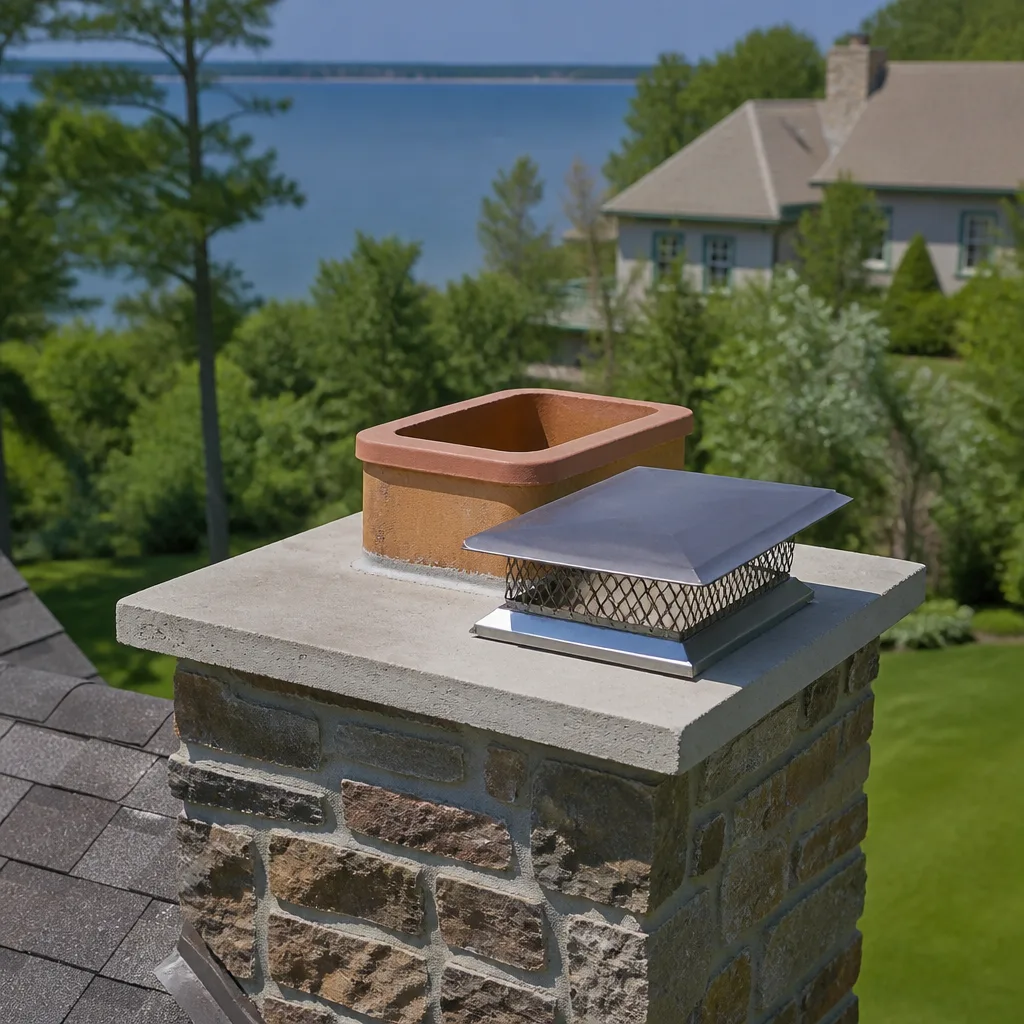
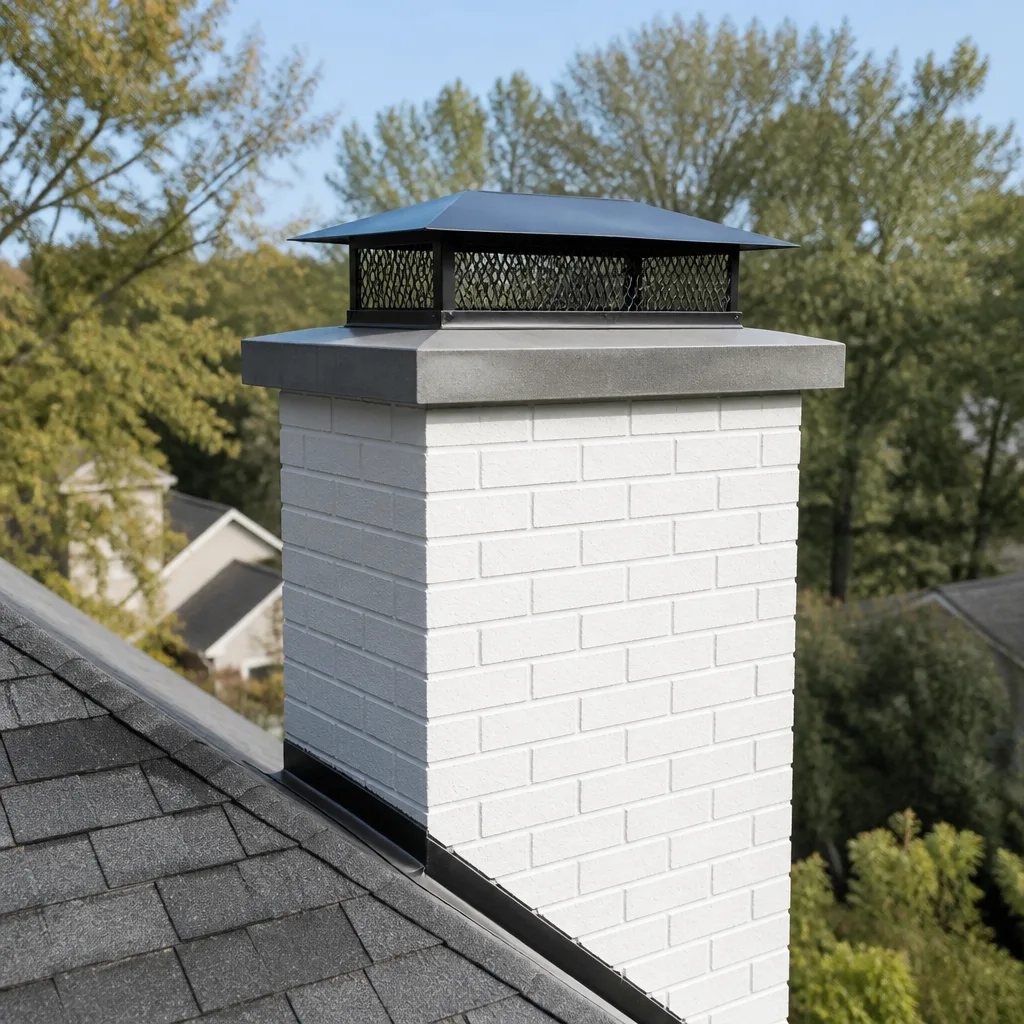
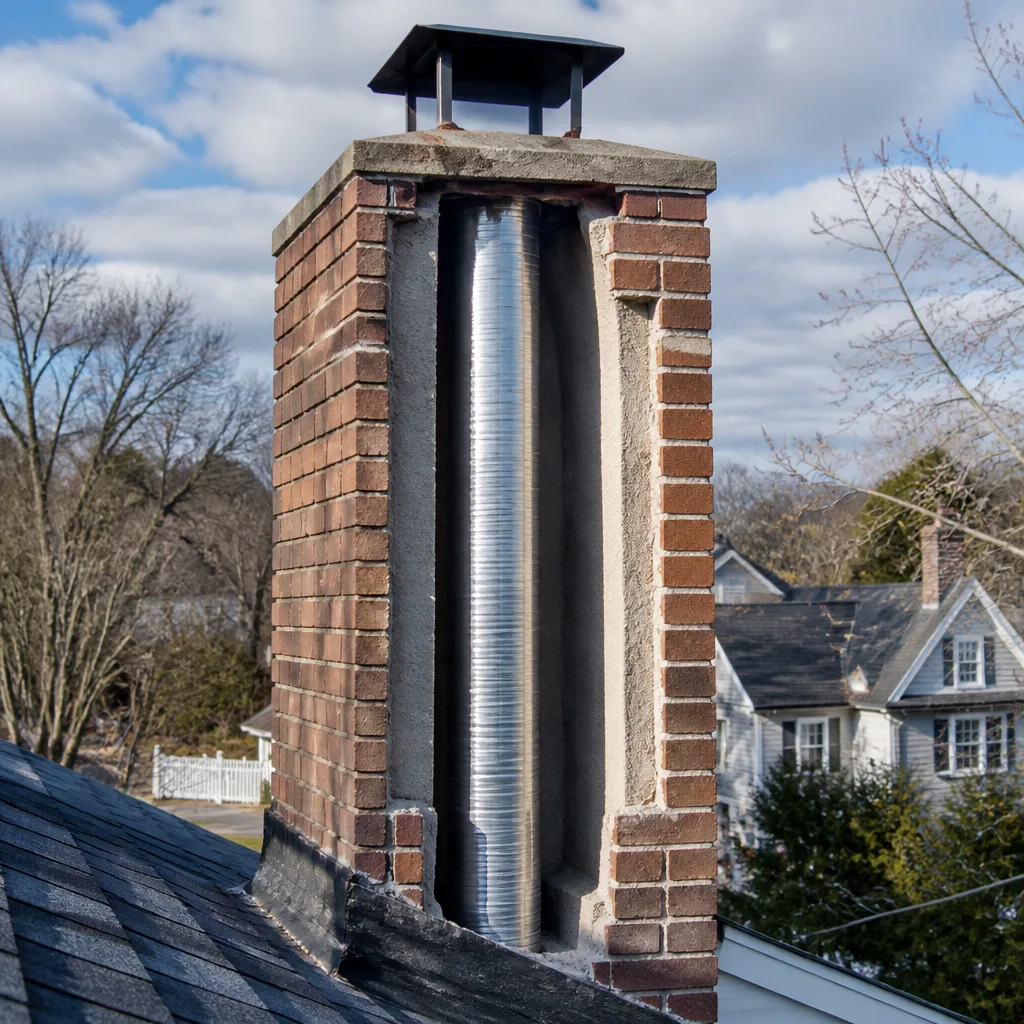
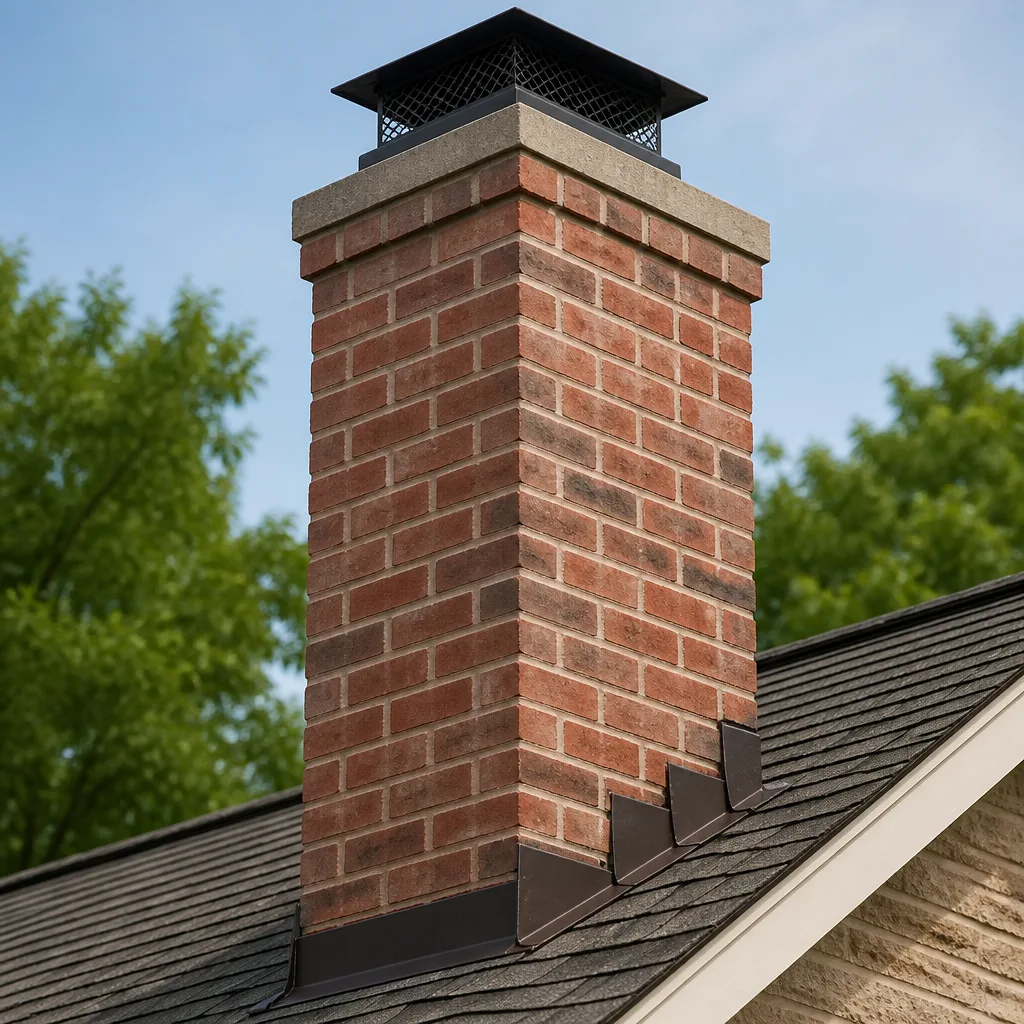
Level 1 sweep and inspection to the NFPA 211 annual standard - flue, crown, cap, and flashing checked and photographed
Chimney sweep logs do not sweep chimneys. They loosen some creosote - which then falls where a brush and vacuum still have to collect it.
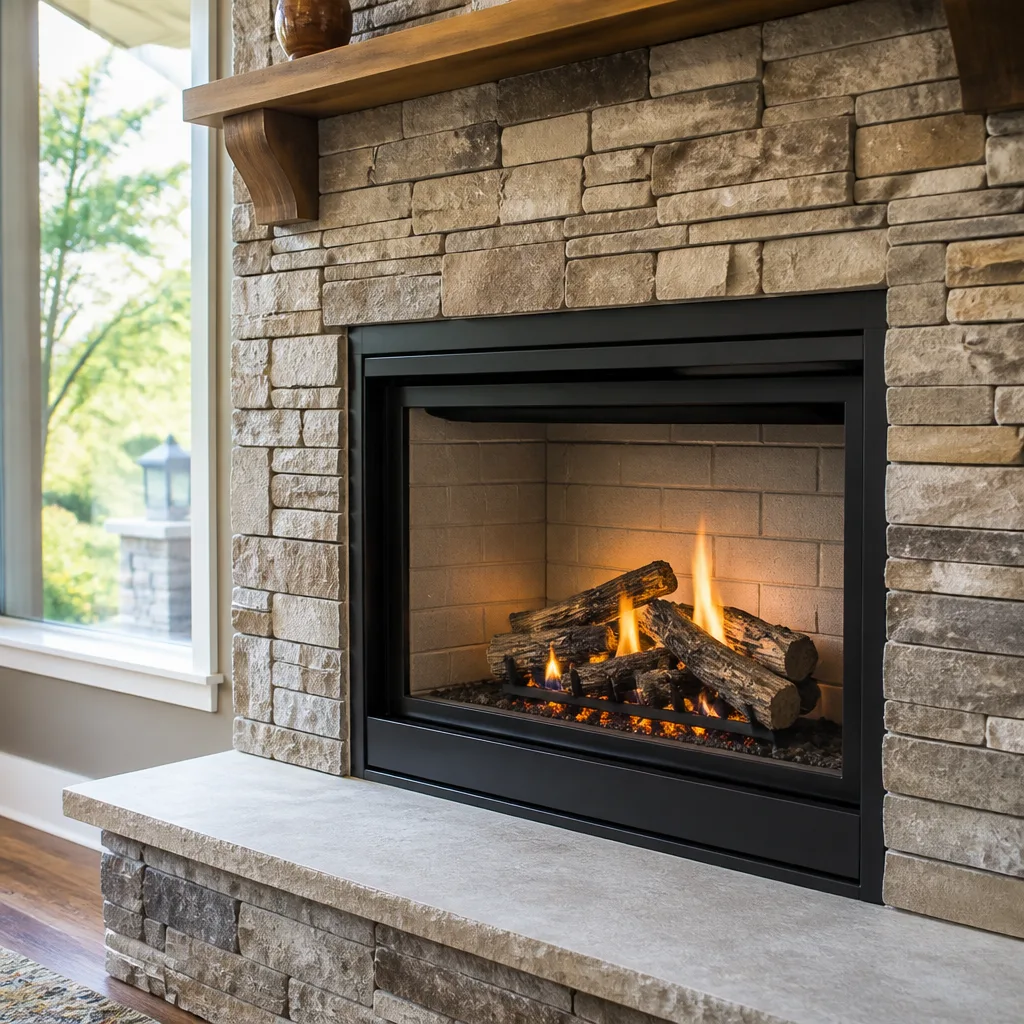
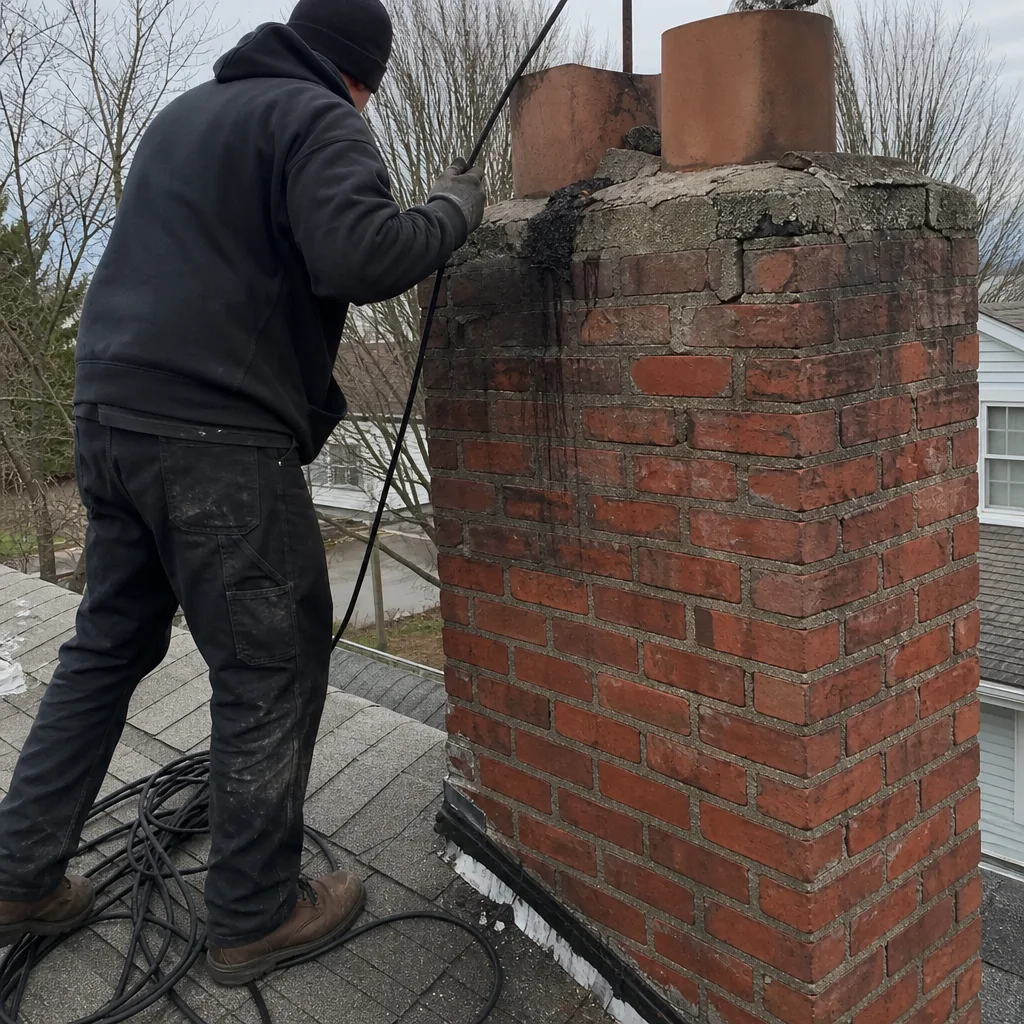 Before
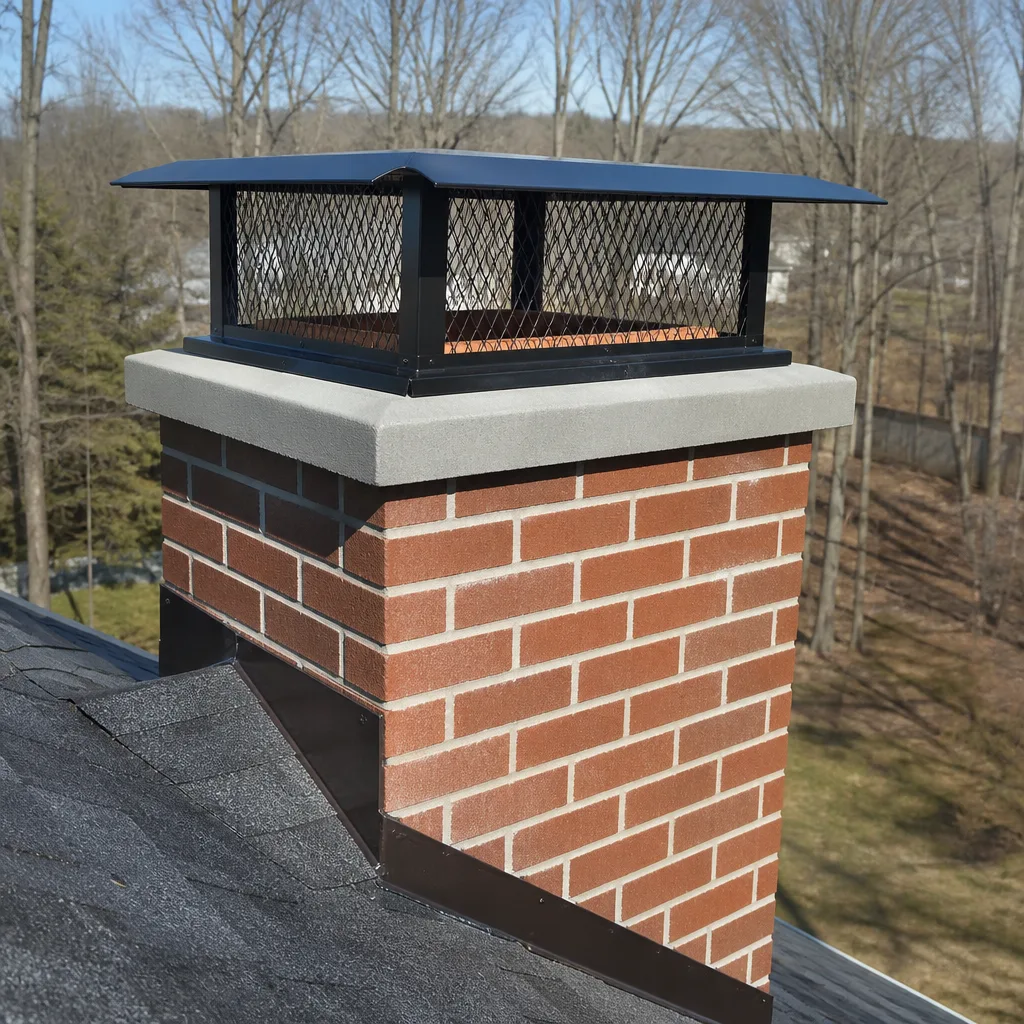 After
After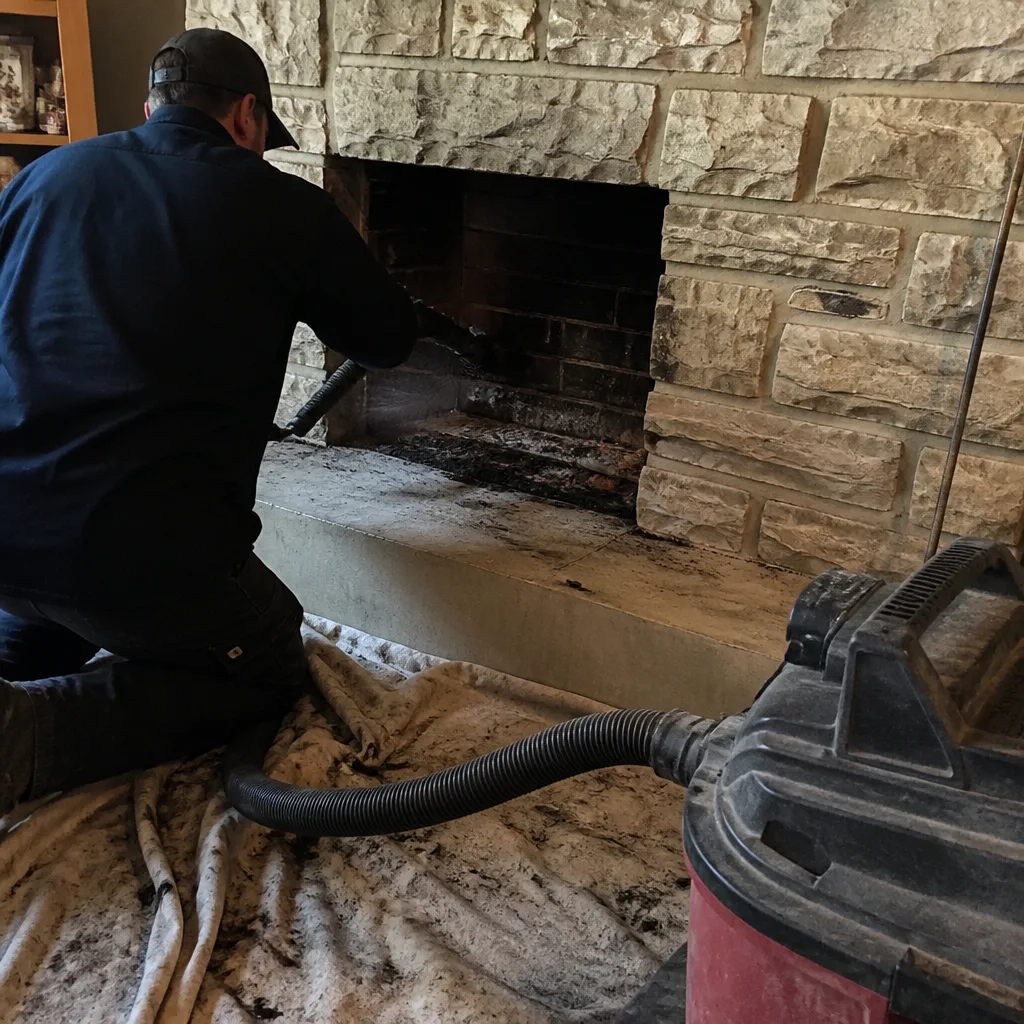 Before
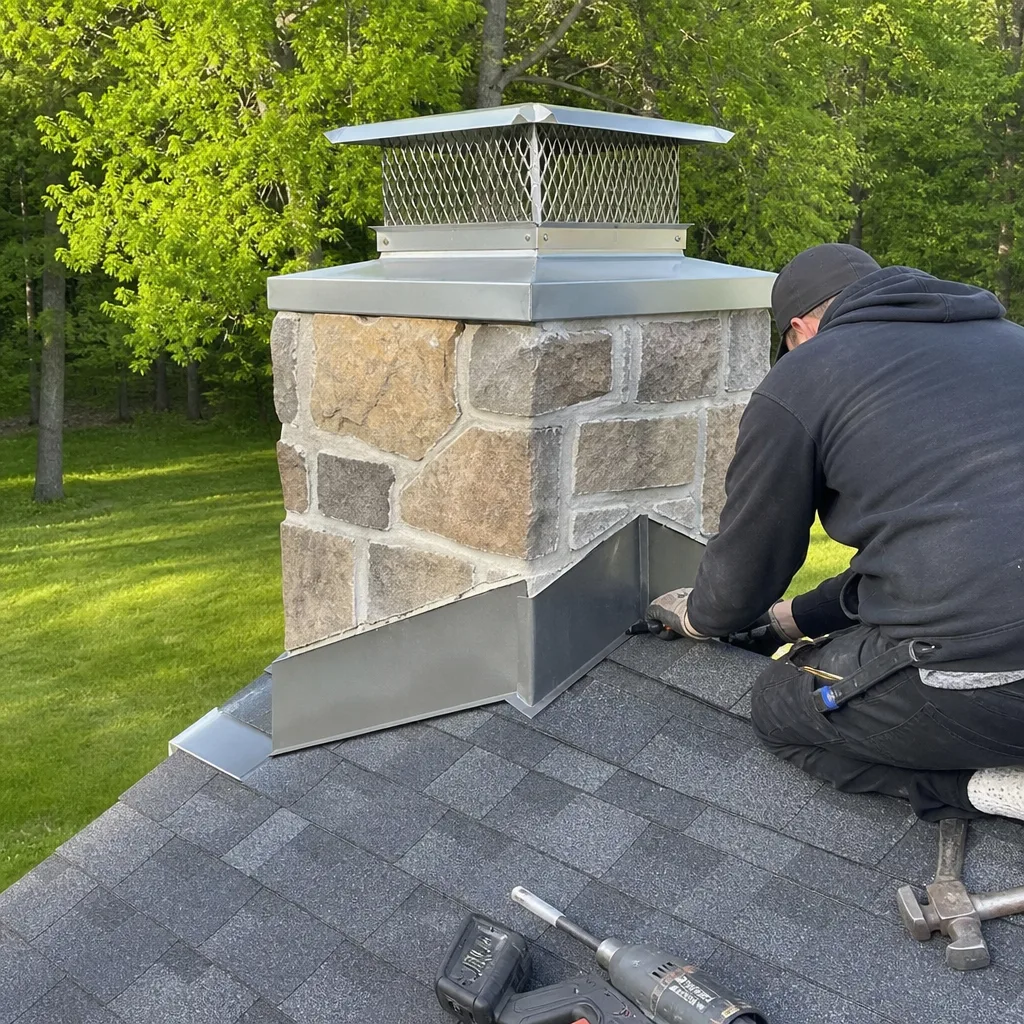 After
After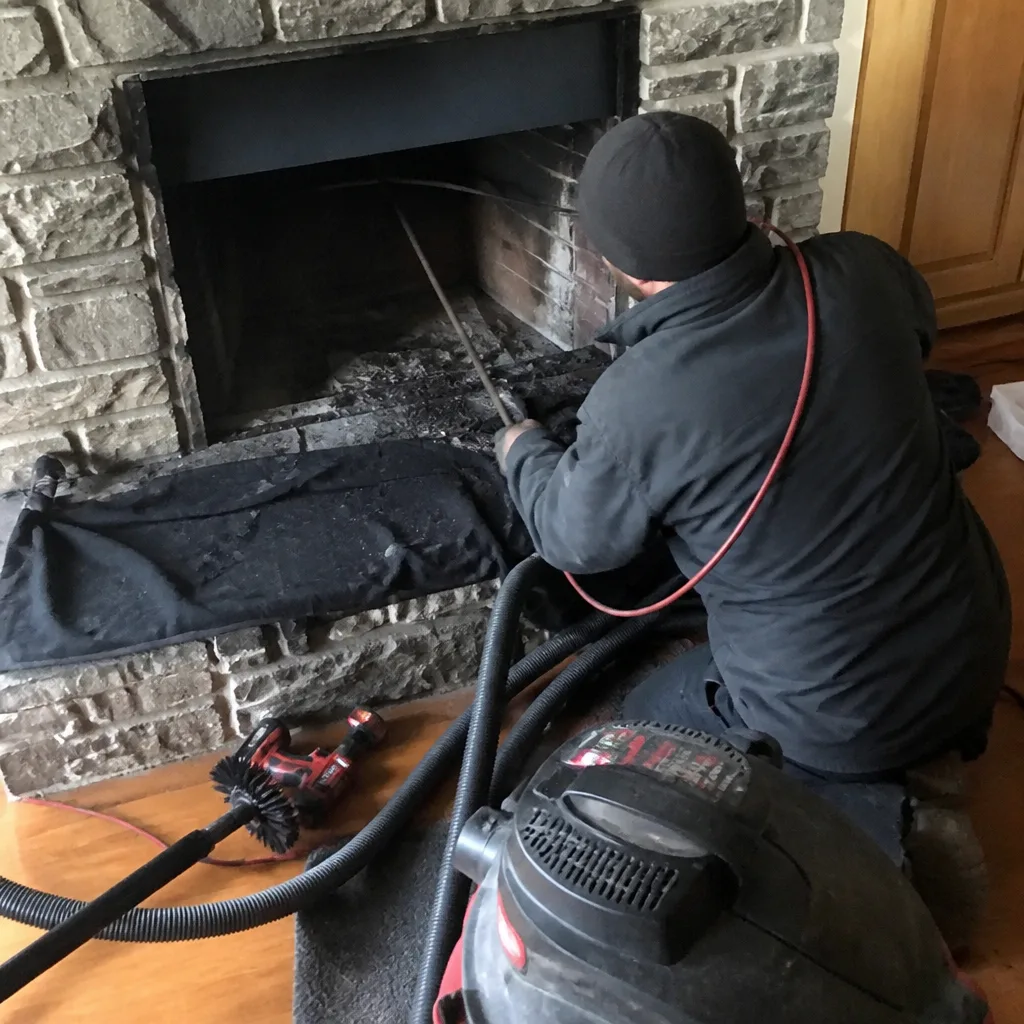 Before
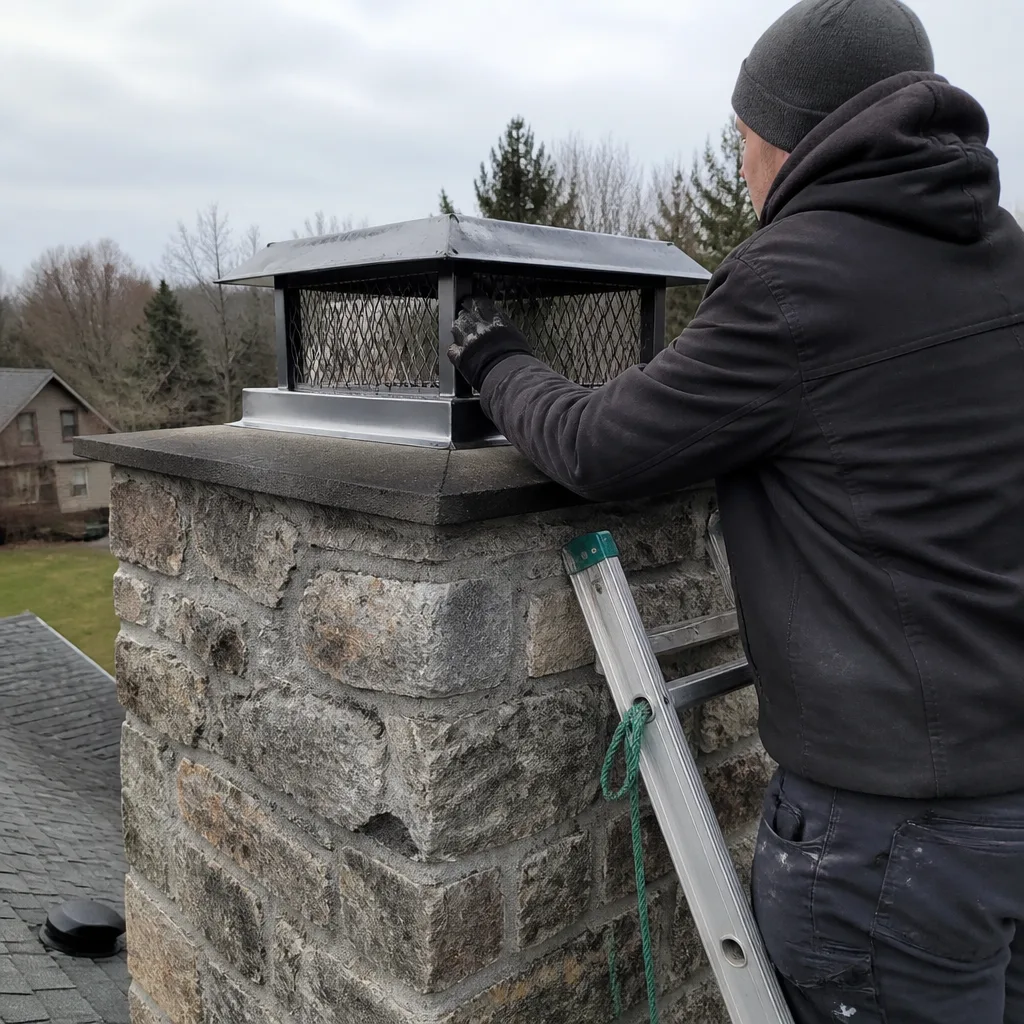 After
AfterThe Complete Guide to Chimney Cleaning in Milford
A chimney can pass a visual inspection and still be one fire away from a house fire. The most dangerous buildup, Stage 3 glazed creosote, looks like a shiny coating on your flue walls, not a threat. In Milford, where humid summers and hard winters create a freeze-thaw cycle inside masonry flues, this glazed layer forms faster than most homeowners realize. This guide explains what proper chimney cleaning actually involves, why Milford’s climate demands more than a once-over with a brush, and how to tell whether the job was done right or just done cheap.
Quick Answer
Professional chimney cleaning in Milford, Pennsylvania typically costs between $175 and $325 for a standard sweep with Level 1 inspection, and between $350 and $550 for a Level 2 camera inspection with photo documentation. For help deciding what level of service you need, see our DIY vs Professional Chimney Cleaning: The Milford Homeowner’s Decision Guide. A thorough cleaning removes creosote buildup, checks for blockages and structural damage, and includes a written condition report. In the Pocono region’s humid climate, annual cleaning is the minimum; many Milford homeowners with wood-burning fireplaces need sweeping twice per season.
Table of Contents
- Why Milford’s Climate Makes Chimney Cleaning Different
- What Actually Happens During a Professional Chimney Cleaning
- Chimney Inspection Levels Explained: What Milford Homeowners Need
- The Three Stages of Creosote and Why Stage 3 Is Different
- Why Your Firewood Source in Pike County Matters
- How to Read a Post-Cleaning Report and What Photos to Demand
- Chimney Cleaning Costs in Milford: A Realistic Breakdown
- Common Mistakes to Avoid
- When to Call a Professional
- Frequently Asked Questions
- The Bottom Line
Why Milford’s Climate Makes Chimney Cleaning Different
Milford sits at roughly 1,300 feet elevation in the Pocono Mountains, where summer humidity regularly pushes above 75% and winter temperatures drop below 10°F for stretches each January. That combination creates a problem drier climates don’t face: moisture-driven creosote formation.
Here’s how it works. Humid summer air settles into your flue when the fireplace isn’t in use. Come October, that moisture has already begun breaking down residual soot from last season, creating acidic compounds that etch flue tile and accelerate the sticky, tar-like buildup that becomes creosote. By the time you light your first fire, you’re starting with a compromised surface.
We’ve seen this pattern repeatedly in Milford neighborhoods like the Historic District and along the Delaware River corridor. Homes with south-facing chimneys get it worst; sun heats the exterior during the day, creating condensation cycles inside the flue that never fully dry out. North-facing chimneys have their own issue: slower warmup means lower flue temperatures during shoulder-season fires, which produces more liquid creosote that hasn’t fully combusted.
The freeze-thaw cycle compounds the problem. Water that seeps into hairline cracks in flue tile expands when it freezes, widening those cracks. Next season’s creosote has more surface area to grip. In our experience, a Milford chimney that goes two years without cleaning often shows more buildup than a comparable chimney in a drier climate after three years.
This isn’t theoretical. In 2019, we inspected a chimney on Harford Street that had been “cleaned” by a budget operator the previous fall. The brush had cleared the center of the flue but left a quarter-inch glazed layer on the tile shoulders. That homeowner was burning three cords of mixed hardwood per winter. By February, the glazed creosote had thickened to a point where a chimney fire was probable, not just possible.
The practical implication: annual cleaning in Milford is a floor, not a ceiling. If you burn more than two cords per season, burn pine or softwood mixes, or notice your fires smoking back into the room, you’re a candidate for mid-season inspection.
What Actually Happens During a Professional Chimney Cleaning
A proper chimney cleaning is a systematic process, not a quick brush-and-go. Here’s what a thorough job looks like from arrival to departure.
- Pre-work inspection and protection. The technician lays drop cloths from the fireplace opening across the floor, seals the firebox with a vacuum attachment, and checks the roof-line chimney exterior for obvious damage before climbing. This protects your home and establishes a baseline.
- Flue sweeping with appropriate tools. For standard soot and Stage 1 creosote, a rotary brush system with polypropylene bristles matched to your flue diameter removes buildup without damaging tile. For Stage 2 or 3 creosote, the technician switches to specialized chains or chemical treatment first. Using the wrong tool for the creosote stage is a common corner-cut that damages flue liners.
- Smoke chamber and firebox cleaning. The smoke chamber above the damper collects falling debris and is a frequent fire origin point. A proper cleaning reaches this area with hand tools and vacuums, not just the main flue. The firebox gets brushed and vacuumed to remove ash and deteriorated firebrick particles.
- Debris removal and HEPA containment. All soot and creosote is captured in a sealed vacuum system. We use professional-grade extraction equipment, not a shop vac. Creosote particles are carcinogenic; proper containment matters for your home’s air quality.
- Post-cleaning inspection with documentation. After cleaning, the technician examines what the brush revealed: cracked tiles, missing mortar joints, spalling brick, or exposed liner gaps. Photos are taken of any findings. You get a written report with these images and a plain-English verdict on what needs attention now, what can wait, and what’s cosmetic.
- Cleanup and departure. Drop cloths are removed, the work area is vacuumed, and the technician reviews findings with you before leaving. The appointment typically takes 60 to 90 minutes for a standard cleaning, longer if significant buildup or damage is found.
What corners do low-bid operators cut? Skipping the smoke chamber, using a single brush size regardless of flue diameter, failing to photograph findings, and rushing the job in 30 minutes. Our How to Hire a Chimney Cleaning Contractor in Milford: A Step-by-Step Guide shows exactly what to verify before you book. We’ve followed behind $99 “specials” that left enough creosote to fill a coffee can. The homeowner paid twice: once for the cheap sweep, again for us to do it properly.
Our Chimney Cleaning & Sweep in Milford follows this full protocol on every appointment. No exceptions.
Chimney Inspection Levels Explained: What Milford Homeowners Need
The National Fire Protection Association (NFPA) defines three inspection levels. Most homeowners have heard of a “chimney inspection” without knowing which level they’re actually getting. The difference matters for your safety and your wallet.
Level 1 Inspection: This is a visual examination of readily accessible portions of the chimney exterior, interior, and connecting appliances. No tools are used to open panels or remove components. A Level 1 is appropriate when your system hasn’t changed, you’re continuing with the same appliance and fuel type, and you’ve kept up with annual cleanings. Think of it as a routine physical for a healthy patient.
Level 2 Inspection: This includes everything in Level 1 plus examination of accessible attics, crawl spaces, and basements, and a video scan of the interior flue surfaces. A camera on a flexible rod travels the full flue length, capturing images of every tile joint, every crack, every area of spalling or deterioration. Level 2 is required when you’ve changed appliances, experienced a chimney fire, are selling the home, or when a Level 1 reveals concerns that need closer look.
In Milford, we recommend Level 2 inspections for any home built before 1990 with original clay tile liners, any chimney that hasn’t been inspected in three or more years, and any system showing performance changes: smoking back, odd odors, or visible exterior staining. The camera reveals what eyes cannot. We’ve found cracked tiles hidden behind bends, missing mortar at shoulder joints, and animal nests in offset flues that a Level 1 would never catch.
Level 3 Inspection: This is invasive demolition to access concealed areas. Walls are opened, chimney crowns removed, or masonry dismantled. Level 3 is reserved when a Level 1 or 2 indicates a serious hazard that cannot be fully evaluated otherwise. It’s rare, expensive, and only undertaken when necessary evidence exists.
Here’s a practical guide:
- Get Level 1 if you’ve had annual service with no changes, no performance issues, and no weather events.
- Get Level 2 if you’re new to the home, it’s been 3+ years, you’ve changed fuel or appliance, you see exterior damage, or you smell smoke odors when the fireplace isn’t in use.
- Level 3 only when a professional documents specific concealed hazards that standard inspection cannot resolve.
Our Level 2 camera inspections end with photos you can see and a plain-English verdict. Documented like an engineer, explained like a craftsman. That’s the standard we apply in Milford.
The Three Stages of Creosote and Why Stage 3 Is Different
Creosote isn’t one substance. It progresses through three distinct stages, each with different removal requirements and fire risks. Understanding the difference protects you from both scare tactics and dangerous complacency.
Stage 1: Fluffy, soot-like deposit that brushes off easily with standard sweeping. It’s mostly carbon particles with minimal tar content. Fire risk is present but manageable with regular cleaning. This is what you want to find.
Stage 2: Crunchy, porous flakes that adhere to flue walls. Think of it as creosote beginning to harden. It requires more aggressive mechanical removal, usually with a rotary chain system or powered whips. Stage 2 indicates your fires are burning cooler than optimal, your wood may be unseasoned, or your flue is oversized for your appliance.
Stage 3: Glazed, hardened coating that looks like shiny enamel or tar. This is the dangerous stage. It’s extremely combustible, burns at temperatures exceeding 2,000°F, and cannot be removed with standard brushing. Stage 3 creosote requires chemical treatment to soften it over multiple heating cycles, followed by mechanical removal. In severe cases, the flue liner itself must be replaced.
The critical point: Stage 3 can look benign. We’ve shown homeowners camera images where the flue appeared “clean” to the eye, a dark glossy surface, and had to explain that this was actually the most hazardous condition possible. A visual inspection from the fireplace opening, or even a flashlight look from the roof, will miss this entirely.
In Milford’s climate, Stage 3 develops faster for several reasons. The humidity-driven acidic breakdown we described earlier creates a tackier initial deposit. Cooler flue temperatures from damp, dense firewood common in Pike County prevent complete combustion of volatile gases. And homeowners who burn intermittently, weekend fires rather than daily heating, keep flue temperatures in the zone where liquid creosote condenses rather than burns off.
We treated a chimney on West Ann Street last season where the homeowner had burned nothing but locally sourced maple, cut and split the previous spring. The wood tested at 28% moisture content. By February, Stage 2 buildup had progressed to early Stage 3 in the upper flue where temperatures stayed coolest. Chemical treatment and two follow-up visits were required. Done right, and we stand behind it, but preventable with seasoned fuel.
If a sweep tells you that you have Stage 3 creosote, ask to see the camera image. Ask what removal method they’ll use. Ask whether chemical treatment is needed and what the timeline looks like. A credible professional will explain this patiently. One who can’t or won’t is a risk to your home.
Why Your Firewood Source in Pike County Matters
The wood you burn determines how fast creosote accumulates more than any other factor you control. And in Pike County, the firewood economy works against clean chimneys.
Here’s the reality: truly seasoned hardwood, split and stacked for 18 to 24 months with good air circulation, burns at moisture content below 20%. At that level, combustion is complete, flue temperatures stay high, and creosote formation is minimal. But seasoned firewood is a pain to store and a pain to wait for. Most firewood sold roadside in Milford and surrounding Pike County towns is cut within the past year, often oak or maple that hasn’t had time to dry properly.
We test moisture content on wood brought in by Milford homeowners regularly. The typical reading: 25% to 35%. At 30% moisture, nearly a third of your fire’s energy goes to boiling water out of the wood rather than producing heat. Flue temperatures drop. Incomplete combustion produces dense smoke rich in unburned hydrocarbons. Those hydrocarbons condense on cool flue walls as liquid creosote.
Burning wet wood is like pouring syrup down your flue. The difference shows up fast. A homeowner burning properly seasoned wood might need annual sweeping. The same usage with 30% moisture wood needs mid-season attention.
Softwoods get a bad reputation, but the moisture content matters more than the species. Well-seasoned pine burns hot and clean. Unseasoned oak burns dirty and cool. The key metric is moisture, not wood type.
Practical advice for Milford homeowners:
- Buy firewood a year ahead, or two. Split it, stack it off the ground with ends exposed to wind, and cover only the top.
- Test with a moisture meter before burning. They’re $25 online. Split a piece and test the fresh face. Below 20% is ideal; above 25% is problematic.
- Be skeptical of “seasoned” claims from sellers you don’t know. Ask when it was cut. If they can’t or won’t say, assume it’s green.
- Store at least a two-week supply indoors before burning so surface moisture evaporates.
- Consider buying from established suppliers in the area who kiln-dry or maintain documented inventory ages. The upfront cost difference pays for itself in reduced sweeping frequency and lower fire risk.
We’ve seen the full cycle: wet wood, heavy buildup, chimney fire risk, expensive remediation. The firewood decision is the simplest way to control your chimney’s condition.
How to Read a Post-Cleaning Report and What Photos to Demand
After a proper cleaning, you should receive written documentation. Not a verbal summary, not a carbon-copy receipt with “cleaned” checked off. A real report with findings, recommendations, and photographic evidence. Here’s how to evaluate what you’re given.
The report should include:
- Date, technician name, and company identification. This establishes accountability and warranty standing.
- Appliance and flue specifications. What was inspected, what type, what dimensions. This prevents confusion if you have multiple systems.
- Condition ratings for each component. Look for clear ratings: acceptable, monitor, repair recommended, or immediate hazard. Vague language like “looks okay” is a red flag.
- Photographic documentation of findings. Every crack, every gap, every area of deterioration should have a corresponding image with the location noted. You should be able to match the photo to the verbal explanation.
- Prioritized recommendations with timelines. What needs doing now, what can wait until next season, what’s informational only. Be wary of reports where everything is urgent.
- Estimate for recommended work. Specific, line-item pricing with no open-ended contingencies.
What the photos should show:
- The full flue length from top to bottom, showing clean tile surfaces where no damage exists
- Close-ups of any cracks, spalling, or missing mortar with a measurement reference
- The smoke chamber and damper area
- The firebox floor and sidewalls
- The chimney crown and exterior masonry from the roof level
- The chimney cap and spark arrestor condition
A report without photos is incomplete. A report with photos you cannot understand is nearly as bad. The technician should walk you through each image and explain what you’re seeing in terms that make sense.
We’ve reviewed competitor reports brought in by Milford homeowners where “crack in flue tile” was described without location, dimensions, or photo. Is this a hairline surface crack or a through-tile fracture? The difference is $0 monitoring versus $2,400 liner replacement. Without documentation, you cannot make an informed decision.
Our reports use a standard format developed over 42 years. Photos you can see, a plain-English verdict. If we recommend work, we show you exactly why. If something can wait, we say so plainly. No surprises on the bill, and no pressure to commit to work you don’t understand.
For Chimney Repair in Milford, that documentation becomes the foundation for any work we propose.
Chimney Cleaning Costs in Milford: A Realistic Breakdown
Pricing for chimney cleaning in Milford varies based on inspection level, accessibility, and condition. Below are realistic ranges based on what we see in the local market. These are not teaser rates that balloon with add-ons; they’re the prices that reflect proper work.
| Service | Typical Range in Milford | What’s Included |
|---|---|---|
| Standard sweep with Level 1 inspection | $175 - $325 | Full flue sweeping, smoke chamber cleaning, firebox cleanup, basic visual inspection, written condition summary |
| Level 2 inspection with camera scan | $350 - $550 | Everything in Level 1 plus video flue scan, attic/crawl space examination, photo documentation, detailed written report with prioritized recommendations |
| Stage 2 creosote removal (mechanical) | $150 - $300 additional | Powered rotary chain or whip system, extended appointment time, post-removal camera verification |
| Stage 3 creosote treatment | $400 - $800 initial; follow-up sweeps $200 - $350 | Chemical application to soften glaze, controlled heating cycle, return visit for mechanical removal, may require multiple treatments |
| Chimney cap installation (standard Gelco or Famco) | $450 - $850 | Professional-grade stainless steel or copper cap, proper sizing, secure mounting, spark arrestor |
| Fireplace insert cleaning (sealed system) | $225 - $375 | Disassembly of baffles and panels, flue connector sweeping, reassembly with gasket inspection |
Factors that push pricing toward the higher end:
- Steep roof pitch or limited access requiring specialized equipment
- Multiple flues (common in homes with both fireplace and furnace chimneys)
- Heavy buildup requiring extended appointment time
- Structural repairs needed before safe operation
- Historic homes with non-standard flue dimensions requiring custom tools
What should raise your suspicion:
- Prices significantly below these ranges without clear explanation of what’s excluded
- Quotes given over the phone without seeing the chimney
- Pressure to add services during the appointment without photographic evidence
- Refusal to provide written estimate before work begins
Our pricing is upfront and flat for the scope defined. The number on the estimate is the number on the invoice. We offer a permanent 5% Senior and Veteran discount, $50 off any repair over $250, and free second opinions on any written estimate you’ve received. Our $89 Seasonal Tune-Up is available for qualifying systems. Call (610) 991-8179 for exact pricing on your specific chimney.
Common Mistakes to Avoid
- Hiring based on price alone. The $99 sweep special in Milford often means a 20-minute brush job, no camera, no smoke chamber attention, and a sales pitch for unnecessary repairs. We’ve documented chimneys that were “cleaned” by budget operators and still contained dangerous buildup.
- Assuming no smoke means no problem. A chimney can vent adequately while concealing cracked tiles, deteriorated mortar, or Stage 3 creosote. Performance and safety are not the same measure.
- Burning unseasoned firewood from local sellers. Pike County’s firewood market rewards volume over quality. That convenient roadside load is likely 25-30% moisture, accelerating creosote formation by 50% or more compared to properly seasoned wood.
- Skipping inspection after a chimney fire. Even a small, self-extinguished chimney fire causes thermal shock damage to flue tile. The cracks may be invisible without a camera. Operating the fireplace without post-fire inspection risks a second, more serious event.
- Ignoring exterior warning signs. Staining on chimney brick, white efflorescence, or missing mortar at the crown indicates water intrusion that compromises the flue from outside. Interior cleaning doesn’t address exterior deterioration.
- DIY cleaning without proper equipment. Homeowner brush kits from hardware stores rarely reach the full flue length, never address the smoke chamber, and create a soot mess without HEPA containment. For standard maintenance, the cost difference rarely justifies the risk and hassle.
- Delaying cleaning until fall. Milford’s best sweeps book solid by September. Scheduling in spring or summer means better appointment availability, potential off-season pricing, and addressing any needed repairs before burning season pressure.
When to Call a Professional
Call a certified chimney professional if you notice smoke backing into the room, a strong tar-like odor when the fireplace isn’t in use, visible creosote flakes in the firebox, or any change in draft performance after weather events. Schedule immediate inspection if you’ve had a chimney fire, even one that seemed minor, or if you see exterior damage like missing bricks or a cracked crown.
New Milford homeowners should prioritize a Level 2 camera inspection before first use. You don’t know the maintenance history, fuel types burned, or whether previous owners made unpermitted modifications. The Pocono region has no shortage of well-intentioned but dangerous DIY chimney “improvements” from previous decades.
Hearthstone Chimney Co. offers free estimates in Milford. Calls are answered by a live person 24 hours a day, 7 days a week. Our background-checked, uniformed technicians complete most jobs in a single visit, and every recommendation comes with photos you can see and a plain-English verdict. Call (610) 991-8179 to schedule.
Frequently Asked Questions
A standard chimney sweep with Level 1 inspection in Milford typically costs between $175 and $325, while a Level 2 inspection with camera scan runs $350 to $550. Heavy creosote buildup, steep roof access, or multiple flues can increase the price. Call (610) 991-8179 for an exact quote on your specific chimney - estimates are free.
At minimum, once per year before burning season begins. In Milford’s humid climate, many homeowners who burn more than two cords annually or use unseasoned firewood need mid-season inspection as well. The NFPA recommends inspection annually regardless of use, since moisture and pest intrusion can occur even in unused chimneys.
Only if inspection documents specific damage that compromises safety. Cracked or missing flue tiles, gaps at mortar joints, or deterioration that allows heat transfer to combustible framing are legitimate reasons for liner replacement. We never recommend liner work without camera evidence you can see yourself, and we’ll tell you plainly when damage is monitorable rather than immediately hazardous. Call (610) 991-8179 for a free second opinion on any liner recommendation you’ve received.
Creosote accumulates, increasing fire risk and reducing draft efficiency. Moisture from humid summers degrades flue tile and mortar. Blockages from nests or debris can force carbon monoxide back into living spaces. In Milford, we’ve seen chimneys that skipped two or three years require not just cleaning but significant repair work that could have been prevented. The cost of regular maintenance is always lower than the cost of remediation after failure.
Cleaning removes soot, creosote, and debris from the flue and firebox. Inspection evaluates the system’s condition for safe operation. They’re related but distinct. A sweep can be performed without full inspection, and an inspection can be performed without cleaning, though in practice they’re usually combined. In Milford, we recommend the combined service annually, with Level 2 camera inspection periodically for thorough documentation.
We don’t recommend it for most homeowners. Proper cleaning requires roof access, specialized brushes sized to your flue, smoke chamber tools, and HEPA-contained debris removal. More critically, without camera inspection you cannot evaluate whether the flue is actually safe after cleaning. The savings rarely justify the safety risk and incomplete assessment. For Fireplace Services in Milford, professional evaluation protects both your home and your insurance standing.
The Bottom Line
Chimney cleaning in Milford is not a commodity service. The Pocono climate, with its humid summers and hard winters, creates conditions that accelerate creosote formation and masonry deterioration faster than drier regions. A proper cleaning addresses the full system: flue, smoke chamber, firebox, and exterior, with documentation that lets you verify the work. Demand photos, demand specificity, and be skeptical of prices that seem too good to deliver thorough work. The difference between a cosmetic sweep and a proper cleaning is the difference between thinking you’re safe and knowing it. Done right, and we stand behind it.
Written by Russell Haines, Owner at Hearthstone Chimney Co., serving Milford since 2014.