
Last updated September 10, 2026
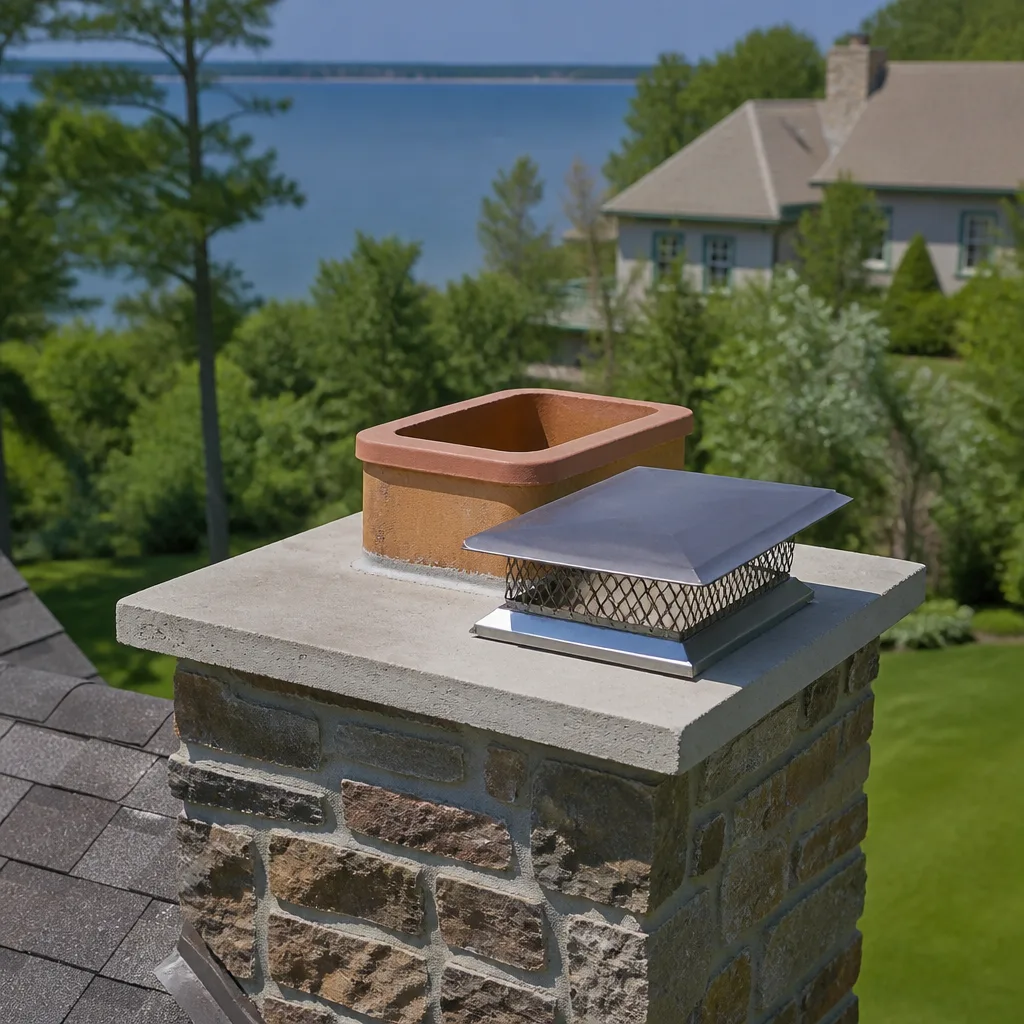
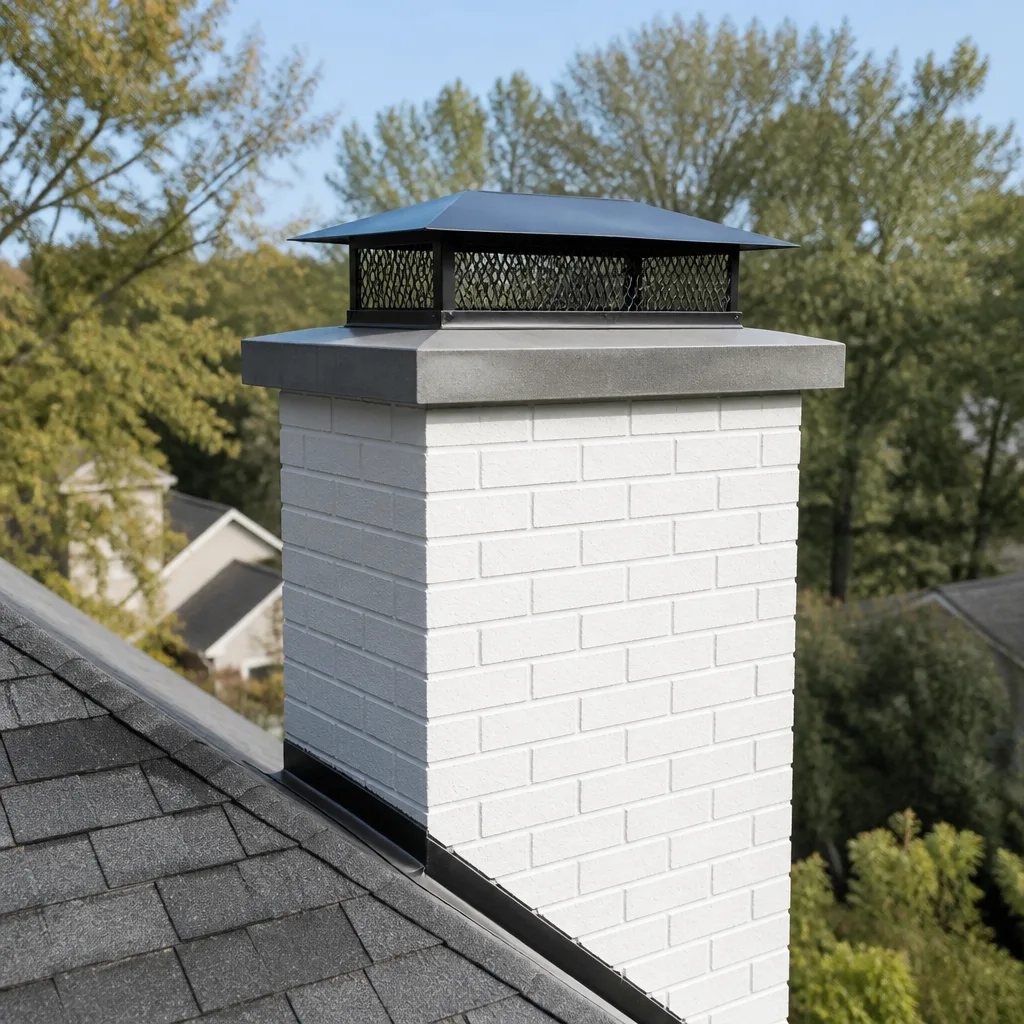
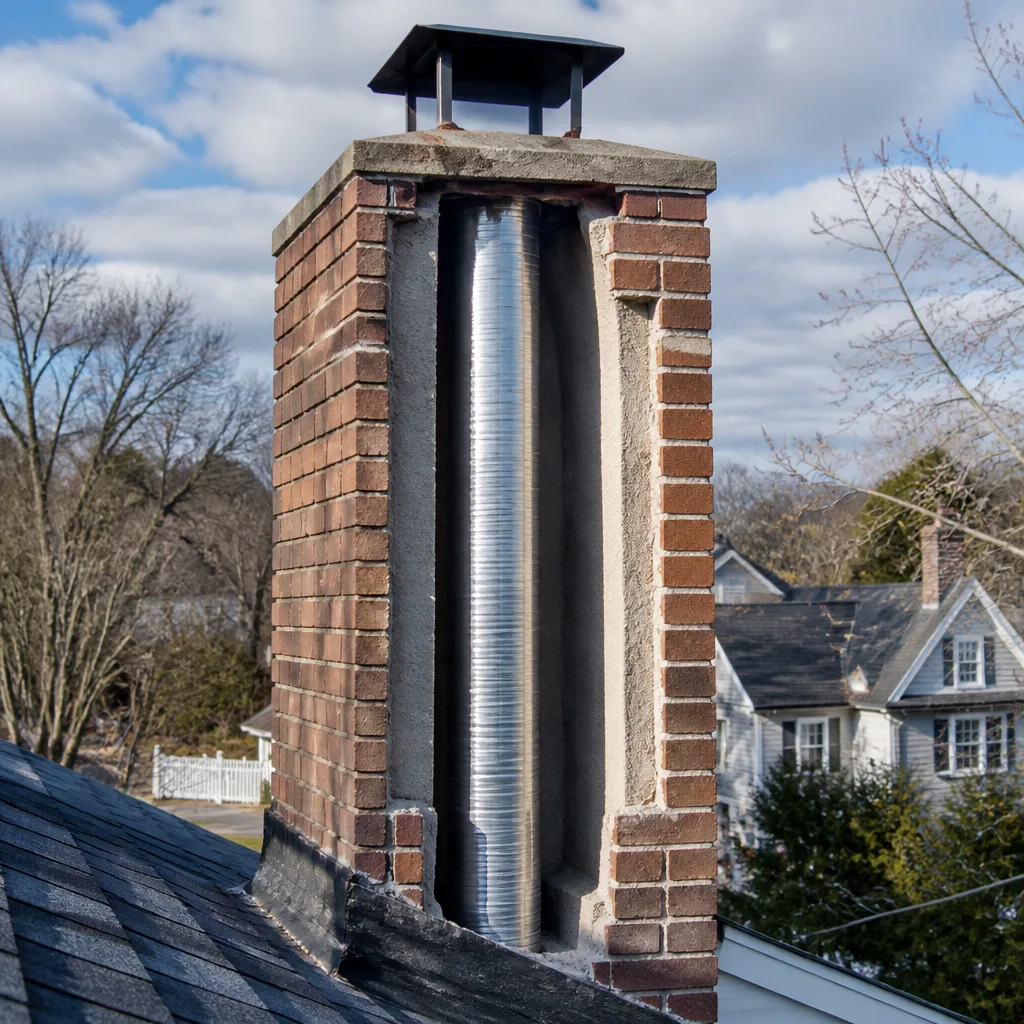
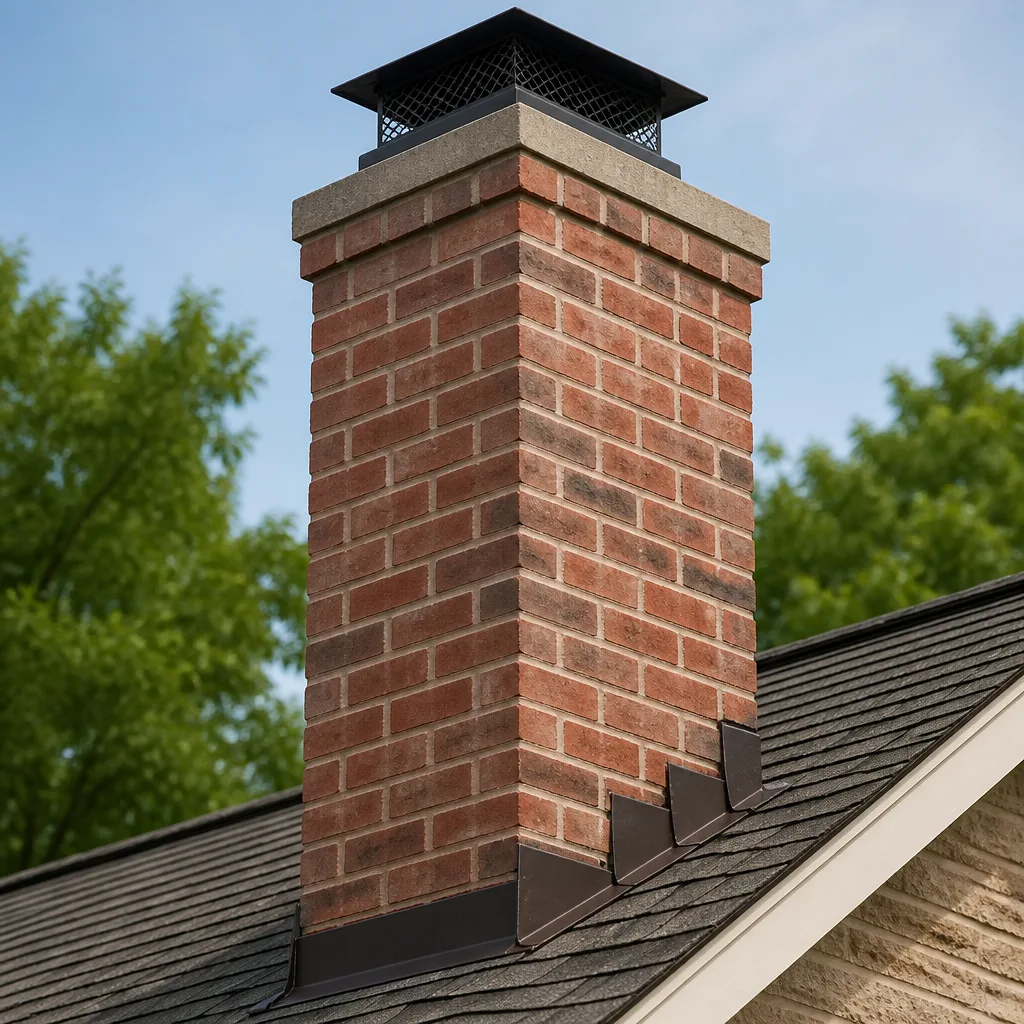
Level 1 sweep and inspection to the NFPA 211 annual standard - flue, crown, cap, and flashing checked and photographed
Chimney sweep logs do not sweep chimneys. They loosen some creosote - which then falls where a brush and vacuum still have to collect it.
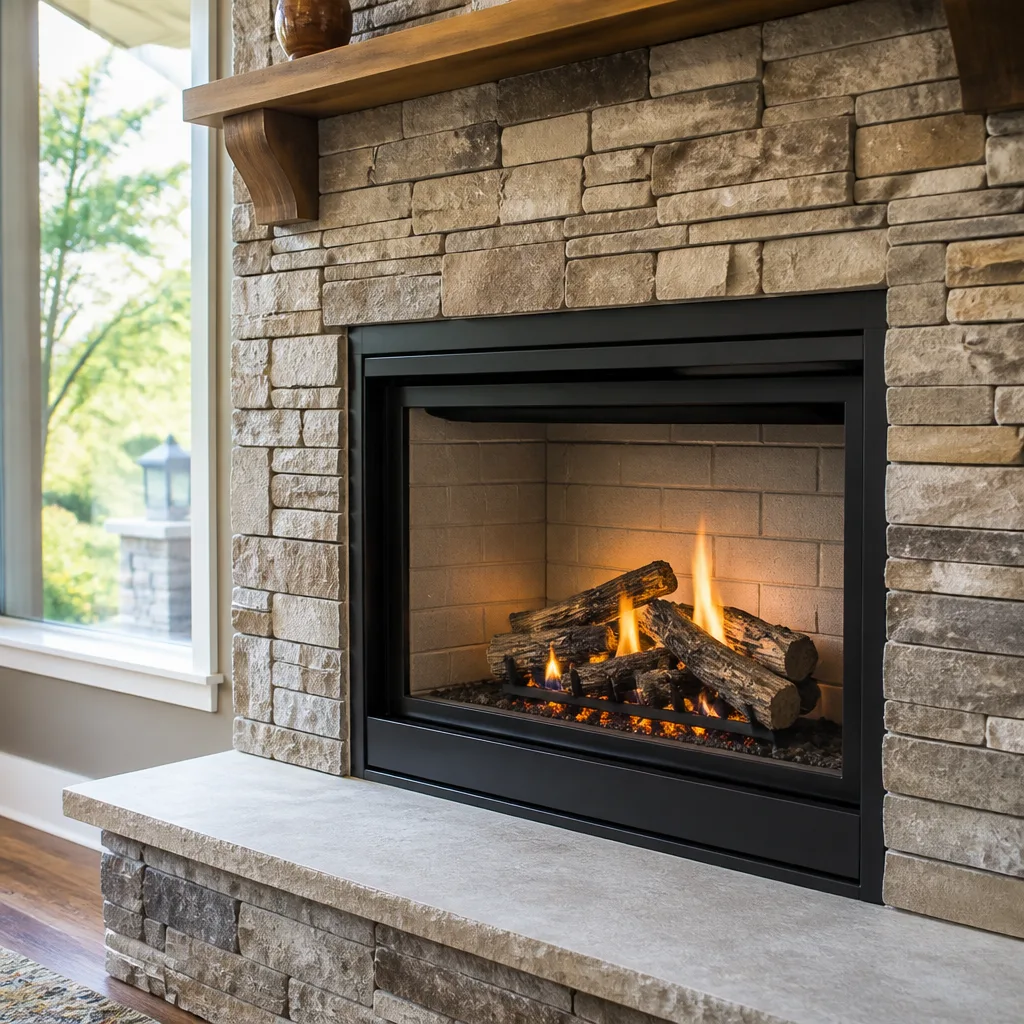
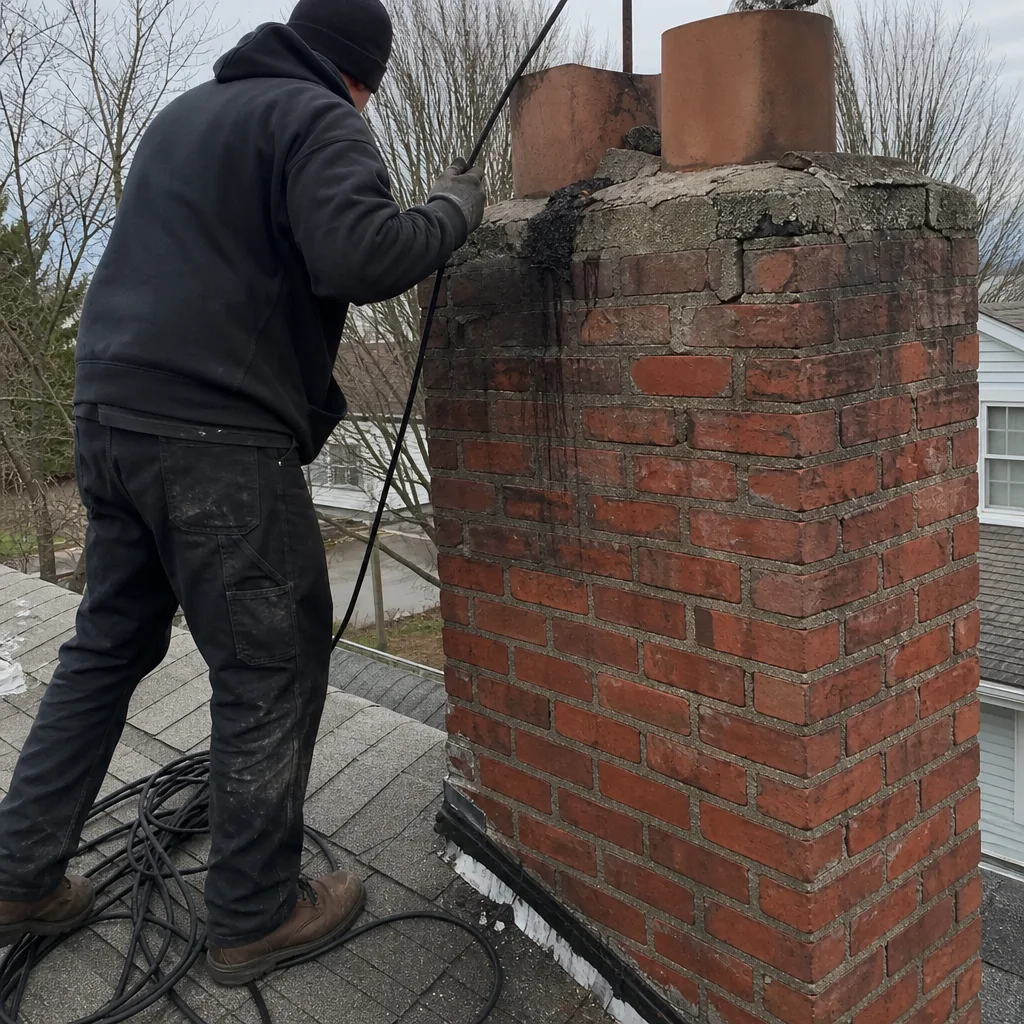 Before
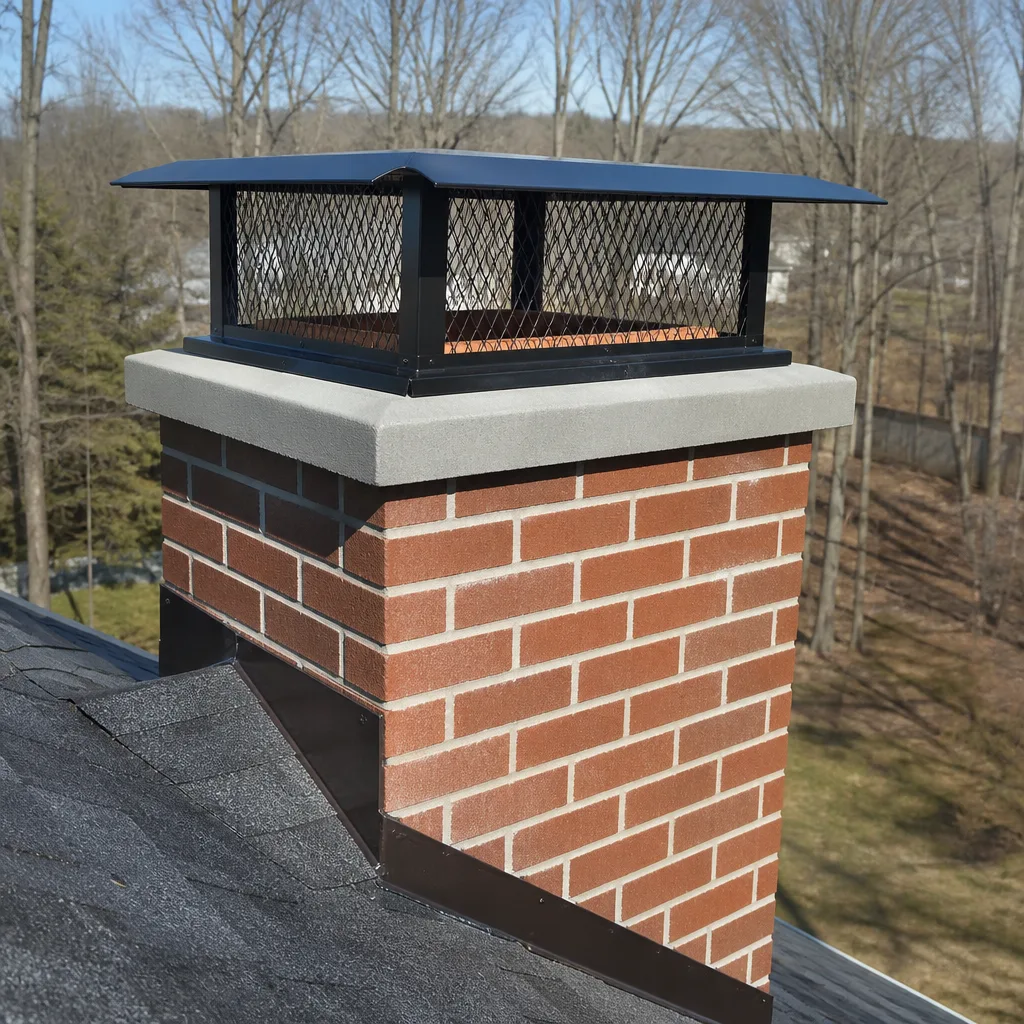 After
After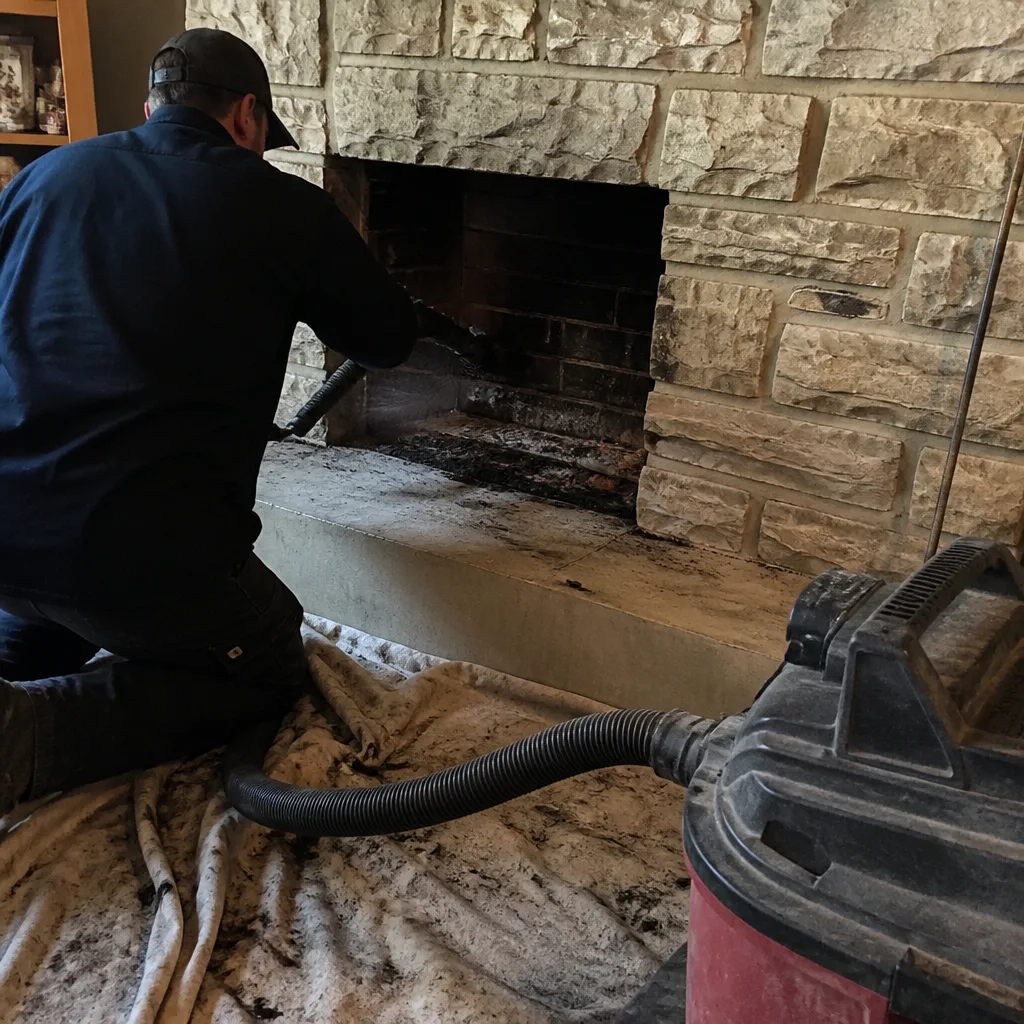 Before
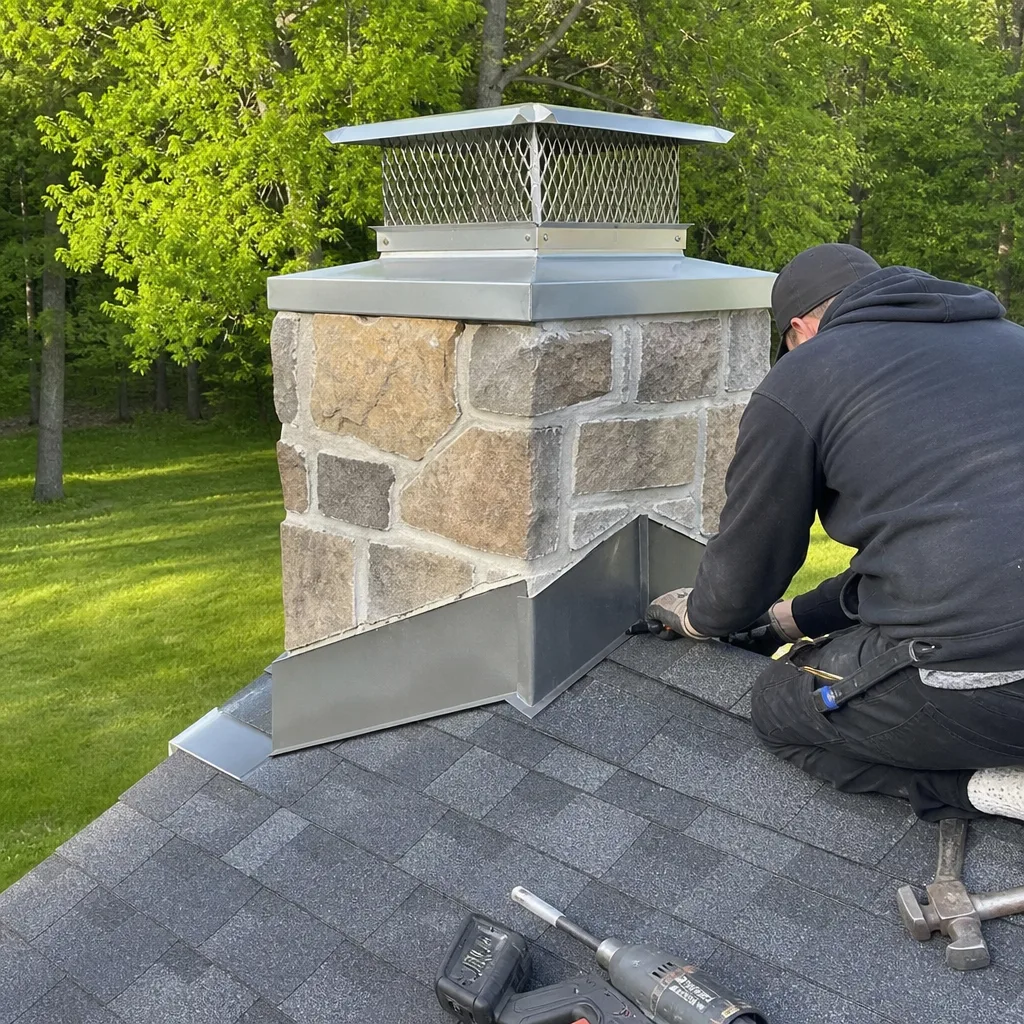 After
After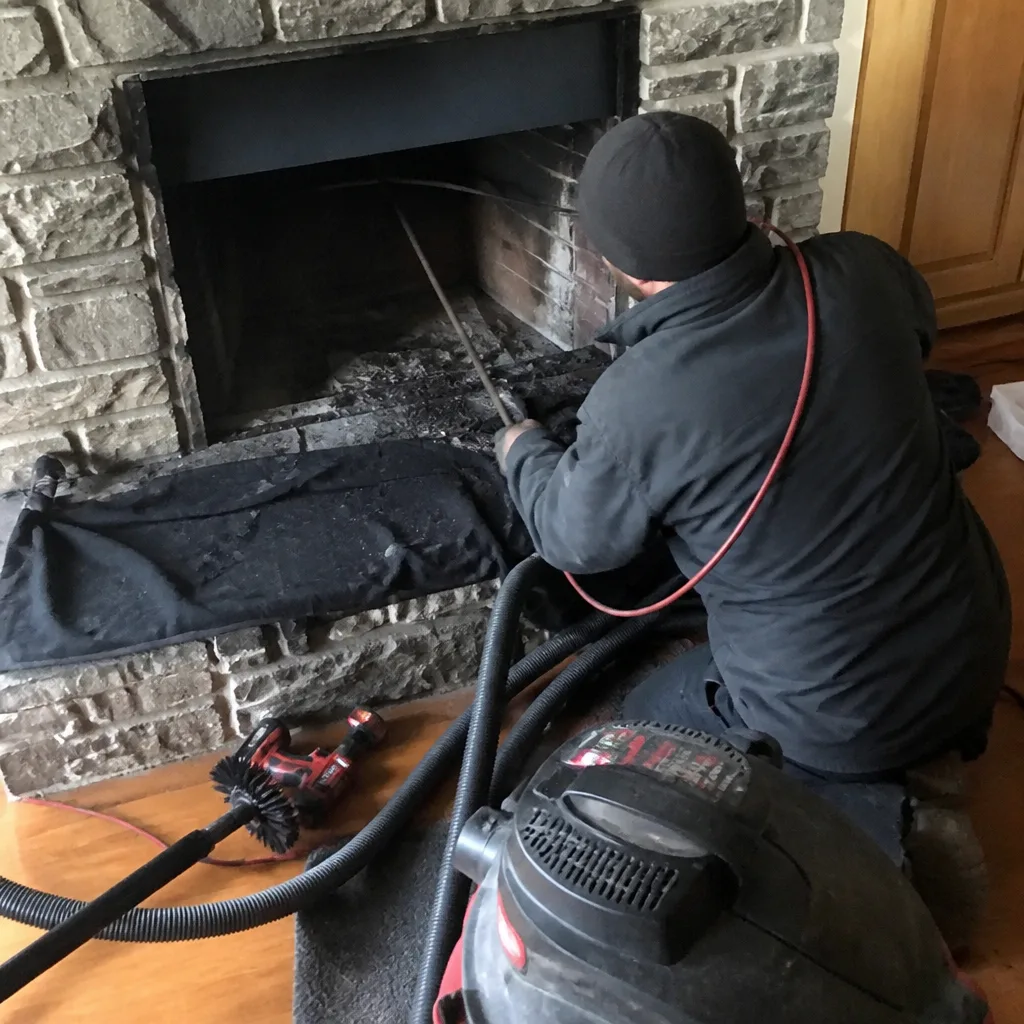 Before
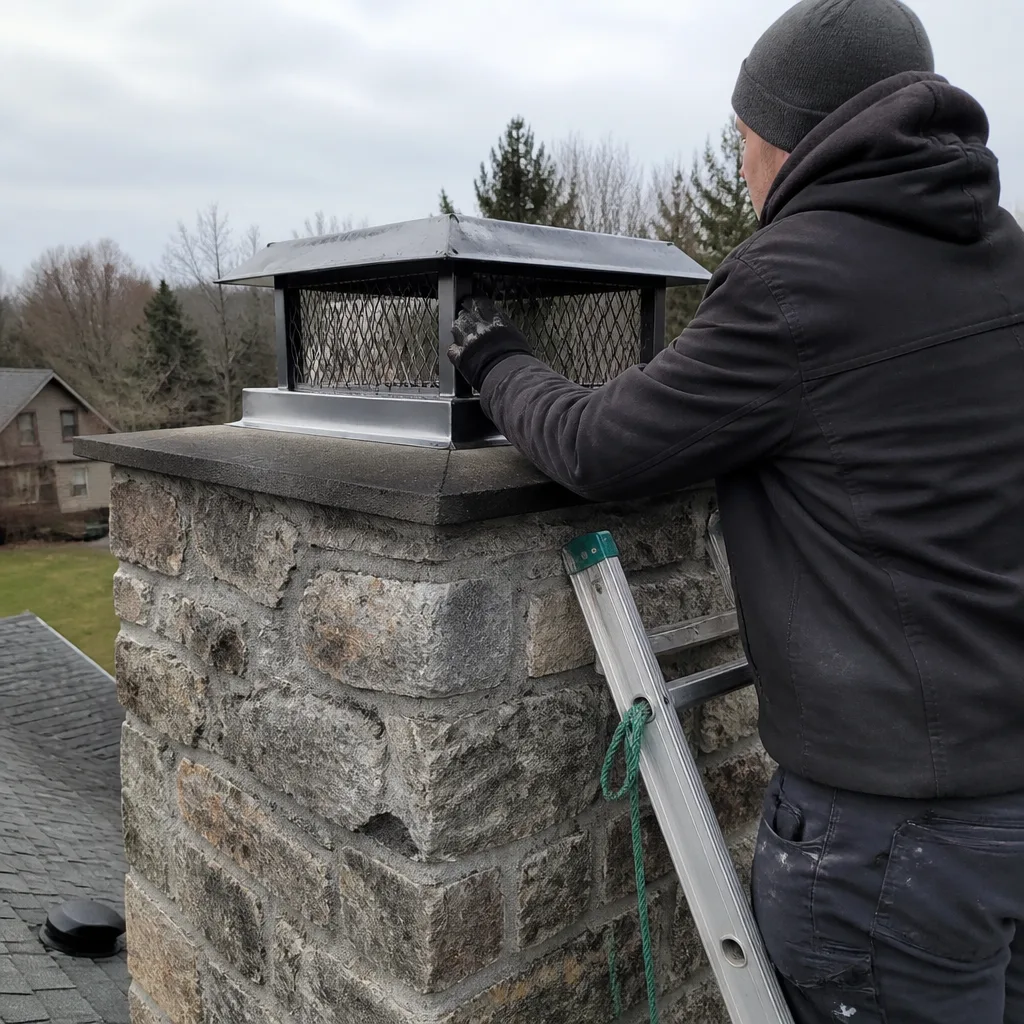 After
AfterDIY vs Professional Chimney Cleaning: The Milford Homeowner’s Decision Guide
A homeowner who cleans their own chimney and misses Stage 2 creosote in the smoke chamber hasn’t saved money. They’ve taken on a fire risk they don’t know they’re carrying. In Milford, where winter temperatures regularly drop below 20 degrees and the heating season stretches from October through April, chimneys work harder and longer than in milder climates. That extra duty cycle means more creosote buildup, more thermal stress on liners, and more opportunities for small problems to become dangerous ones. This guide draws a clear line between what a competent homeowner can handle and where amateur cleaning creates liability no YouTube tutorial will warn you about. You’ll learn the real cost of DIY equipment, the three conditions that make self-cleaning genuinely hazardous, and how to use maintenance between professional visits to actually extend your safety interval.
Quick Answer
DIY chimney cleaning in Milford can safely handle light soot removal from a frequently used, well-maintained fireplace with no liner damage and no creosote beyond Stage 1. For Stage 2 or 3 creosote, any liner damage, or chimneys unused for over two years, professional cleaning with a Level-2 camera inspection is the only safe choice. Most Milford homeowners find that a single professional cleaning costs less than buying proper DIY equipment for one season; see our Chimney Cleaning Cost Breakdown: The Milford Homeowner’s Reference for 2026 for full numbers.
Table of Contents
- What DIY Chimney Cleaning Can Realistically Accomplish
- Three Situations Where DIY Cleaning Is Genuinely Dangerous
- Equipment Cost Reality: The Economics Don’t Favor Most Homeowners
- What You Physically Cannot Inspect Yourself
- Using DIY Maintenance Between Professional Cleanings
- The Milford Climate Factor: Why Local Conditions Matter
- Choosing a Professional Chimney Sweep in Milford
What DIY Chimney Cleaning Can Realistically Accomplish
Let’s start with what DIY can do, because honesty works both ways. A homeowner with reasonable mechanical skill, a stable ladder, and proper protective equipment can remove light, powdery soot from a fireplace that burns well-seasoned hardwood, has no known liner damage, and has been cleaned professionally within the previous 12 to 18 months.
The conditions that make DIY cleaning reasonable are specific and narrow:
- The fireplace is used as supplemental heat, not primary heat (roughly 2 to 3 fires per week during burning season)
- Only well-seasoned hardwood is burned - no softwood, no pressure-treated lumber, no painted or stained wood
- The chimney has a stainless steel liner in good condition, confirmed by a professional inspection within the past two years
- The homeowner can access the entire flue from top to bottom without working on the roof
- No draft problems, no smoke spillage into the room, and no visible cracks in the firebox or hearth
In these conditions, DIY cleaning removes superficial soot that hasn’t yet hardened into creosote. The tool is straightforward: a chimney brush sized to the flue diameter, extension rods, a drop cloth, a shop vacuum with a HEPA filter, and personal protective equipment including a respirator rated for fine particulates, not just a dust mask. The process takes 2 to 4 hours for a first-timer, including setup and cleanup.
But here’s where DIY reaches its limit. Even in ideal conditions, the homeowner is cleaning what they can see and reach. The smoke chamber above the damper, the flue liner’s upper sections, and the chimney crown remain uninspected. A clean flue with a cracked crown or deteriorating smoke chamber is like washing a car with bald tires - it looks maintained while hiding a failure point.
In Milford’s older neighborhoods near the Delaware River, we’ve seen chimneys that appeared clean from the firebox but had significant spalling brick and deteriorated mortar joints above the roofline. The homeowner had cleaned diligently for years without knowing the structure was failing. That’s the limitation in plain terms: DIY cleaning maintains surface cleanliness. It does not diagnose structural or hidden conditions.
Three Situations Where DIY Cleaning Is Genuinely Dangerous
There are three conditions where we advise every homeowner to step back from DIY cleaning, regardless of confidence or experience. These aren’t matters of convenience or preference. They’re situations where amateur work creates documented hazard.
Stage 2 or Stage 3 Creosote
Creosote progresses through three stages. Stage 1 is soot - powdery, black, easily brushed away. Stage 2 is shiny, hard, black-brown flakes that adhere to the flue walls. Stage 3 is a tar-like glaze, often glossy and nearly impossible to remove with standard brushing.
Stage 2 and 3 creosote are both highly combustible. Stage 3 creosote burns at temperatures exceeding 2,000 degrees Fahrenheit and is the primary fuel in most chimney fires. The danger for DIY cleaners is twofold: first, standard brushes won’t remove it, giving a false sense of cleanliness; second, aggressive mechanical removal without proper technique can crack clay tile liners or damage stainless steel liners, creating pathways for fire or carbon monoxide.
In Milford, where many homes were built in the 1960s through 1980s with clay tile liners, we’ve replaced liners that were fractured by homeowners using powered rotary tools purchased online. The tool seemed to work - until it didn’t. Stage 2 and 3 creosote require professional-grade rotary cleaning systems, controlled torque, and the judgment to stop when liner condition demands a different approach.
Damaged or Unknown Liners
Any chimney with a known liner crack, any chimney where liner condition is unknown, and any chimney converted from one fuel type to another without documented liner inspection falls into this category. A damaged liner allows heat, sparks, and combustion gases to reach combustible framing. In a chimney fire, a cracked clay tile liner can fail catastrophically within minutes.
The DIY cleaner has no way to assess liner condition without a camera inspection. Visual inspection from the firebox shows only the bottom few feet. The upper flue, where thermal stress concentrates, remains invisible. We’ve found liner damage at the second-to-top flue tile in Milford homes where the homeowner had cleaned annually for a decade, never knowing.
Chimneys Unused for Over Two Years
A chimney that hasn’t been used accumulates moisture, debris, and animal nesting material. In Milford’s climate, freeze-thaw cycles deteriorate mortar and crown sealant even without active use. A chimney that looks clean may contain a partially collapsed liner, a blocked flue from a squirrel nest, or deteriorated crown that will leak water into the structure when use resumes.
The DIY cleaner starting up a long-idle chimney faces unknown conditions with unknown risks. Professional inspection with camera documentation is the only prudent first step.
Equipment Cost Reality: The Economics Don’t Favor Most Homeowners
The economics of DIY chimney cleaning surprise most homeowners who haven’t priced proper equipment. Here’s the actual cost breakdown for a kit that can handle one cleaning session safely and effectively:
| Item | Cost Range |
|---|---|
| Chimney brush (polypropylene, correct diameter) | $35 - $55 |
| Extension rods (fiberglass, 12 feet minimum) | $45 - $75 |
| Drop cloths and containment supplies | $20 - $35 |
| HEPA-rated shop vacuum or rental | $80 - $150 (or $40 rental) |
| N95 or P100 respirator (not a dust mask) | $25 - $40 |
| Safety glasses, gloves, ladder stabilizer | $40 - $75 |
| Flashlight or headlamp with adequate output | $15 - $30 |
| Total initial investment | $260 - $460 |
This assumes the homeowner already owns a stable extension ladder rated for their roof height and has experience working at height. Add ladder rental or purchase if needed.
The break-even math depends on cleaning frequency. A professional chimney cleaning in Milford typically ranges from $200 to $350 for a standard fireplace flue, depending on accessibility and condition. The DIY kit pays for itself only if the homeowner cleans more than once per year or maintains multiple flues.
Most Milford households don’t reach that frequency. A fireplace used for ambiance and occasional supplemental heat needs annual professional cleaning, not quarterly DIY sessions. The economics favor DIY only for households with multiple wood-burning appliances, very heavy use (primary heat source), or a homeowner who genuinely enjoys the work and accepts the risk.
There’s also the equipment quality issue. The brushes and rods sold at hardware stores are consumer-grade - adequate for light soot, inadequate for meaningful creosote removal. Professional-grade rotary cleaning systems cost $800 to $2,500, far beyond homeowner justification. The DIY kit is a compromise by definition: good enough for light maintenance, not good enough for real cleaning when conditions demand it.
What You Physically Cannot Inspect Yourself
This section addresses the information gap that no DIY guide adequately covers. Even a perfectly executed DIY cleaning leaves three critical areas uninspected. These are where expensive, dangerous problems develop invisibly.
The Smoke Chamber
The smoke chamber is the area above the damper and below the flue liner. It’s shaped like an inverted funnel, designed to compress smoke and gases into the flue. In most chimneys, it’s built with corbelled brick - stepped inward - and parged with mortar to create a smooth surface.
The smoke chamber is inaccessible from below without removing the damper assembly, which most homeowners won’t do. From above, it’s visible only with a camera on an articulated pole, requiring training to interpret. Parging cracks, gaps in corbelling, and creosote accumulation on the smoke chamber shelf are common and serious. A cracked smoke chamber can allow fire or gases to enter wall cavities. We’ve found smoke chamber conditions in Milford homes that represented immediate fire hazards, invisible to the homeowner who cleaned the flue below.
Upper Liner Sections
The top third of the flue liner experiences the greatest thermal stress and most rapid deterioration. Clay tiles crack from thermal shock. Stainless steel liners develop pinhole corrosion or separation at joints. These failures occur where the liner is hottest and where inspection from below is most difficult due to distance and angle.
A professional camera inspection uses high-resolution equipment with 360-degree rotation and bright LED lighting, operated by someone who has seen hundreds of liner conditions and knows the difference between surface staining and structural failure. The homeowner with a flashlight on a pole cannot replicate this, even with good intentions.
The Chimney Crown
The chimney crown is the concrete or mortar cap that seals the chimney top, shedding water away from the flue and masonry. It sits above the roofline, requiring ladder or roof access for visual inspection. But visual inspection from above isn’t sufficient - the crown’s underside, where it meets the flue tile, is where cracks begin and water intrusion starts.
In Milford’s climate, with freeze-thaw cycles from November through March, crown deterioration is accelerated. A cracked crown allows water into the chimney structure, causing spalling brick, deteriorated mortar, and rusted metal components. The damage progresses invisibly until it’s extensive and expensive. We’ve rebuilt crowns in the Milford area where water damage had compromised the entire top several courses of brick, all stemming from a crown crack visible only on close inspection from above.
Professional inspection includes crown evaluation, often with photo documentation. Hearthstone Chimney Co. provides photos the homeowner can see and a plain-English verdict - documented like an engineer, explained like a craftsman.
Using DIY Maintenance Between Professional Cleanings
DIY effort isn’t wasted when directed properly. There are tasks between professional visits that actually extend safety intervals and reduce professional cleaning complexity. The key is distinguishing productive maintenance from cosmetic effort that creates false confidence.
Tasks That Actually Help
- Remove ashes after each burning season. Wait 24 hours after last use, then shovel ashes into a metal container with a tight lid. Store outside on concrete, away from combustibles, for at least one week before disposal. This prevents acidic ash deterioration of the firebox and reduces moisture retention that accelerates metal component corrosion.
- Inspect the firebox monthly during burning season. Look for cracked or missing firebrick, deteriorated mortar joints, and rust on the damper or grate. Document with phone photos. Changes between months indicate developing problems worth professional evaluation.
- Check the damper operation. Open fully before each fire, close after complete extinguishment. A sticky or misaligned damper wastes heat and can prevent proper draft. Light lubrication with high-temperature grease annually - never standard WD-40, which burns off and gums the mechanism.
- Monitor burn quality. Well-seasoned hardwood burns with active, transparent flames and minimal visible smoke from the chimney top. Dark, heavy smoke indicates incomplete combustion and accelerated creosote formation. Adjust fuel or firing technique before creosote accumulates.
- Keep the hearth area clear. Maintain 36 inches of clear space in front of the fireplace opening. Test smoke and carbon monoxide detectors monthly. These aren’t chimney maintenance per se, but they’re the safety net when chimney conditions deteriorate unnoticed.
Tasks That Create False Confidence
- Using chimney cleaning logs as primary maintenance. These products may reduce light soot accumulation slightly, but they do not remove existing creosote and can create a misleading sense of cleanliness. They’re a supplement, not a substitute.
- Vacuuming the flue from below. A shop vacuum reaches only the bottom few feet and disturbs loose particulates without removing adhered deposits. It makes the visible area look clean while leaving the upper flue untouched.
- Applying DIY sealants or repair compounds. Consumer-grade fireplace repair products are temporary at best and can mask conditions that need proper repair. We’ve removed amateur-applied sealants to reveal deteriorated firebrick that needed rebuilding, not covering.
The productive approach: professional cleaning and inspection on appropriate interval, with DIY maintenance that supports rather than replaces that professional care. For most Milford homeowners, that means annual professional service with monthly firebox checks and proper ash management between visits.
The Milford Climate Factor: Why Local Conditions Matter
Milford’s location in the Pocono Mountains region creates chimney conditions that differ from coastal or mid-Atlantic climates. Understanding these local factors helps homeowners make informed decisions about cleaning frequency and method.
The heating season here runs October through April, often with significant use in May and September during cold snaps. That’s 7 to 8 months of active use, compared to 4 to 5 months in milder regions. More use means more creosote accumulation, more thermal cycling stress on liners and masonry, and more opportunities for moisture intrusion during freeze-thaw events.
Milford’s elevation - approximately 1,300 feet - affects draft performance. Thinner air reduces natural draft slightly, which can lead to slower smoke evacuation and increased creosote deposition at the flue top. Homes in higher elevations around Milford, particularly those above 1,500 feet, often need more frequent professional attention.
The local fuel supply matters too. Milford-area firewood is often oak, maple, or ash - good hardwoods when seasoned properly. But “seasoned” is often claimed and rarely verified. Wood sold as seasoned in late summer frequently contains 25 to 30 percent moisture, not the 20 percent maximum for clean burning. Burning wet wood in a Milford winter, when the chimney is cold-starting in 20-degree weather, creates rapid Stage 2 creosote formation.
We’ve also seen specific patterns in Milford neighborhoods. Homes near the Delaware River floodplain sometimes experience elevated moisture in basements and foundation-level chimney structures, accelerating masonry deterioration. Older homes in the borough’s historic district often have unlined chimneys or early clay tile liners that don’t meet current standards. These aren’t generic conditions - they’re Milford-specific factors that affect whether DIY cleaning is reasonable or risky.
The local building code, enforced by Pike County, requires permits for chimney liner replacement and structural repairs. Professional sweeps navigate this routinely. DIY repairs that trigger permit requirements without compliance create liability issues at sale and potential insurance complications after incidents.
Choosing a Professional Chimney Sweep in Milford
When professional service is the right choice - which, we’ve established, is most situations involving Stage 2+ creosote, unknown liner condition, or chimneys unused for extended periods - the selection of sweep matters as much as the decision to hire one. If you’re unsure where to start, read How to Hire a Chimney Cleaning Contractor in Milford: A Step-by-Step Guide.
Look for certification by a recognized body: CSIA (Chimney Safety Institute of America) certification is the standard in our industry. Ask about insurance - general liability and workers’ compensation - and verify it’s current. Request documentation of any findings; a verbal report without photos leaves you with no record and no way to verify recommendations.
The inspection protocol matters significantly. A Level-1 inspection is visual, without camera equipment. It’s adequate for chimneys with no changes and no known problems. A Level-2 inspection includes camera examination of the flue interior, accessible portions of the smoke chamber, and exterior evaluation - required after chimney fires, property transfers, or changes to the system. Most Milford homeowners need Level-2 inspection at intervals, even with annual Level-1 service.
Ask specifically about what the inspection covers and what documentation you’ll receive. Photos you can see, a plain-English verdict - this is the standard that separates craftsmen from operators who rely on homeowner ignorance.
Pricing should be straightforward. No-hassle upfront pricing means the number on the estimate is the number on the invoice. Be wary of low initial quotes that expand dramatically once the sweep is on site. The fireplace services market in Milford includes operators who use bait pricing - a low sweep fee that becomes a high-pressure sales situation for unnecessary repairs.
Hearthstone Chimney Co. has served local communities for over 42 years. We’re not going anywhere. A company that plans to be in town in thirty more years acts accordingly. The 90-Day Done Right Promise - in writing, no arguing - means if it’s not right, we come back. Calls are answered by a live person, 24 hours a day, 7 days a week. Background-checked, uniformed technicians complete most jobs in a single visit. And we work exclusively with professional-grade brands: DuraFlex, HeatShield, Gelco, Olympia Chimney, Famco, and Copperfield. No builder-grade substitutes.
Common Mistakes to Avoid
- Using a standard vacuum without HEPA filtration. Chimney soot contains fine particulates that pass through standard filters and redistribute through your home. In Milford’s tightly sealed winter homes, this creates respiratory exposure that proper equipment prevents.
- Cleaning from the bottom only. Brushing downward pushes debris into the smoke chamber and damper area, where it’s difficult to remove and can interfere with damper operation. Proper technique requires top-down brushing with debris collection at the bottom.
- Ignoring the roof and crown. A homeowner who cleans the flue but never inspects the crown completes half the job while the most weather-vulnerable component deteriorates. In Milford’s freeze-thaw climate, crown neglect leads to structural repairs that cost ten times preventive maintenance.
- Burning treated or painted wood “just once.” One burn of pressure-treated lumber or painted scrap releases corrosive chemicals that damage liners and create toxic deposits. We’ve found blue-green residue in Milford chimneys from exactly this practice - residue that indicates liner damage and requires professional evaluation.
- Assuming no smell means no problem. Carbon monoxide is odorless. A clean-smelling fireplace with a blocked flue or cracked liner is more dangerous than a smoky one, because the hazard is undetectable without proper detectors.
- Skipping professional inspection after a chimney fire. Even a small chimney fire - heard as a rumbling or popping, sometimes with sparks - causes liner damage that may be invisible. Professional inspection with camera documentation is mandatory, not optional, after any suspected fire event.
- Buying the wrong brush diameter. A brush too small fails to contact the flue walls; too large risks liner damage. Flue sizing requires measurement, not estimation. We’ve rescued Milford chimneys where an oversized brush cracked clay tiles or jammed in stainless liners.
When to Call a Professional
Call a professional sweep when you encounter Stage 2 or 3 creosote, any suspected liner damage, any chimney fire history, any conversion between fuel types, or any chimney unused for over two years. Call when you smell smoke in the house during operation, when draft is poor despite proper technique, or when you simply don’t know the condition of components you cannot see.
In Milford, where winter reliability matters and the consequences of failure include fire and carbon monoxide exposure, professional evaluation is the conservative choice. Hearthstone Chimney Co. offers free estimates in Milford - call (610) 991-8179. We’ll document what we find, explain it in plain English, and let you decide with full information. For more guides & resources, visit our blog.
Frequently Asked Questions
A standard chimney cleaning in Milford typically costs between $200 and $350 for a single fireplace flue, depending on accessibility, condition, and whether a Level-2 camera inspection is included. Complex systems with multiple flues, inserts, or significant creosote accumulation cost more. Call (610) 991-8179 for an exact quote - estimates are free.
A legitimate liner recommendation comes with camera documentation you can see, not just verbal assertion. At Hearthstone, nothing is recommended without photo evidence. Clay tile liners with cracks, gaps, or missing pieces need replacement. Stainless steel liners with separation, corrosion, or improper sizing need correction. If a sweep recommends liner work without showing you the problem, get a second opinion. We offer free second opinions on any written estimate.
The National Fire Protection Association recommends annual inspection, with cleaning as needed based on condition. In Milford’s extended heating season, most wood-burning fireplaces need annual cleaning. Heavy use as primary heat may require mid-season cleaning. Gas fireplaces need less frequent cleaning but still require annual inspection for venting integrity and debris blockage.
Skipped cleaning allows creosote accumulation, which increases chimney fire risk and reduces draft efficiency. Reduced draft means more smoke spillage, carbon monoxide exposure risk, and incomplete combustion that wastes fuel. Over years, acidic condensation from uninspected gas vents or moisture from deteriorated crowns damages masonry and metal components. The cost of deferred maintenance always exceeds the cost of regular care. Call (610) 991-8179 to schedule before the burning season starts.
If your DIY cleaning addressed only light Stage 1 soot, if the chimney has no known liner damage, and if you’ve burned only well-seasoned hardwood with no draft issues, you may be fine for another season. But you still cannot verify smoke chamber condition, upper liner integrity, or crown condition without professional inspection. The safest approach is professional evaluation every 1 to 2 years even with diligent DIY maintenance.
A Level-1 inspection includes visual examination of accessible portions of the chimney exterior, interior, and connections. A Level-2 inspection adds camera examination of the flue interior, accessible portions of the smoke chamber, and inspection of the attic, crawl space, and exterior - required for property transfers, after chimney fires, or when changes are made to the system. Hearthstone provides photos and a plain-English verdict with every Level-2 inspection.
The Bottom Line
DIY chimney cleaning has its place: light soot removal from well-maintained, recently inspected systems under narrow conditions. For most Milford homeowners, the equipment cost exceeds single-season professional service, and the blind spots - smoke chamber, upper liner, crown - create risks no amount of diligence can eliminate. Stage 2 creosote, damaged liners, and long-idle chimneys demand professional evaluation with camera documentation. The productive path combines annual professional inspection and cleaning with informed DIY maintenance that extends safety between visits. Done right - and we stand behind it.
Written by Russell Haines, Owner at Hearthstone Chimney Co., serving Milford since 2014.