
Last updated September 10, 2026
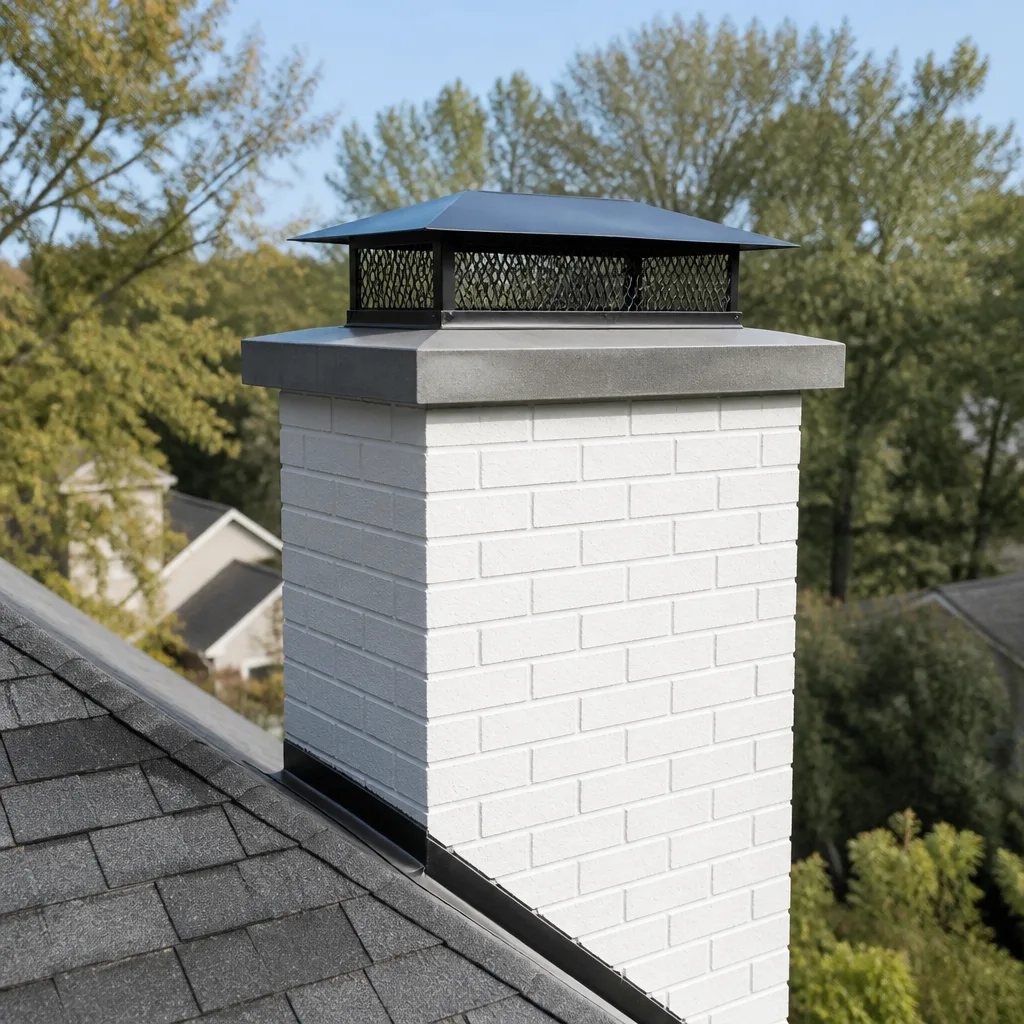
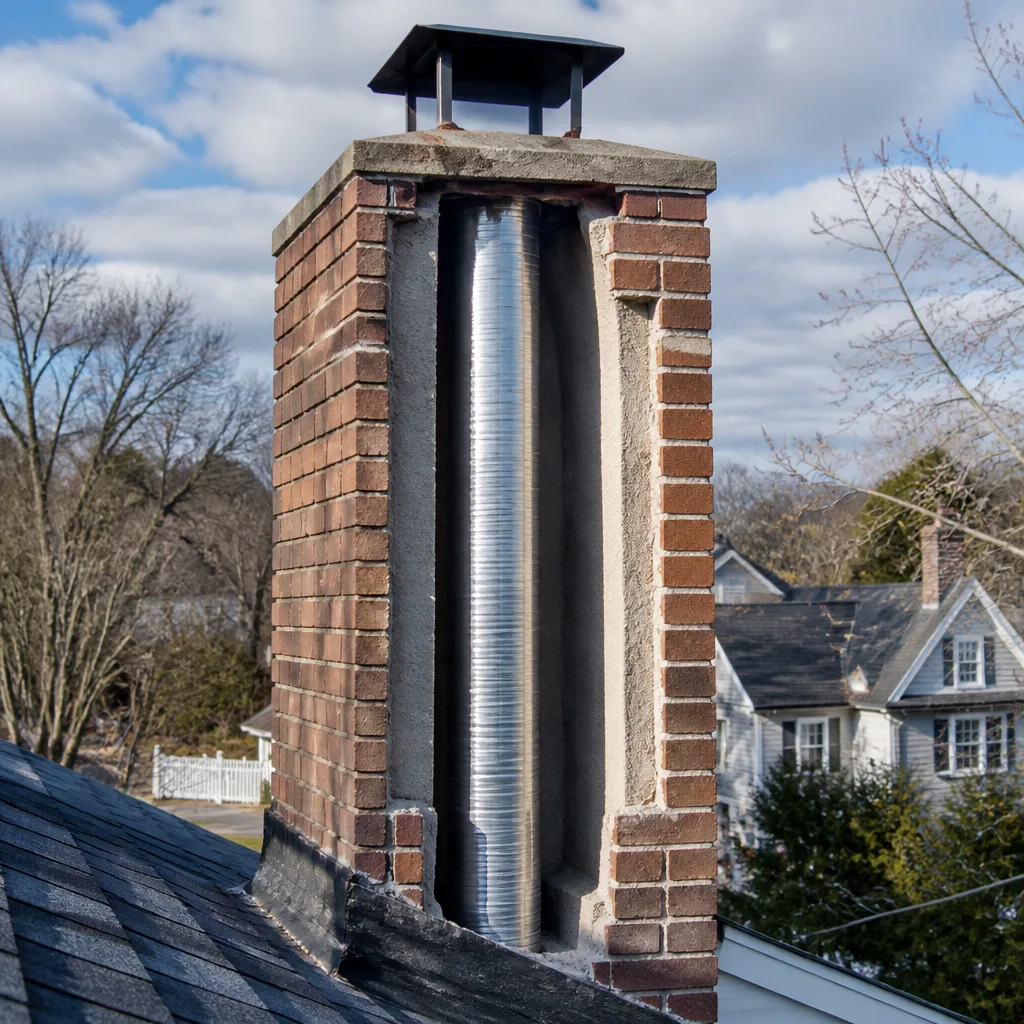
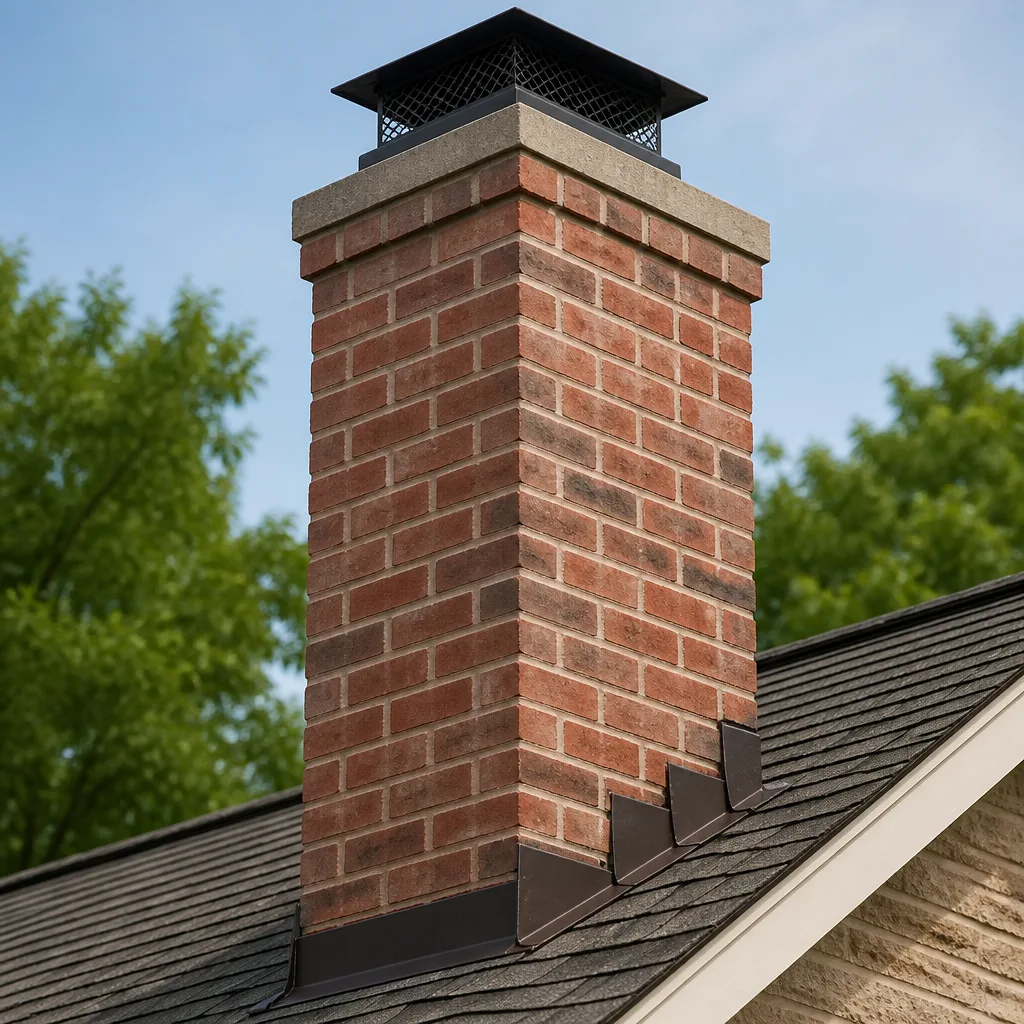
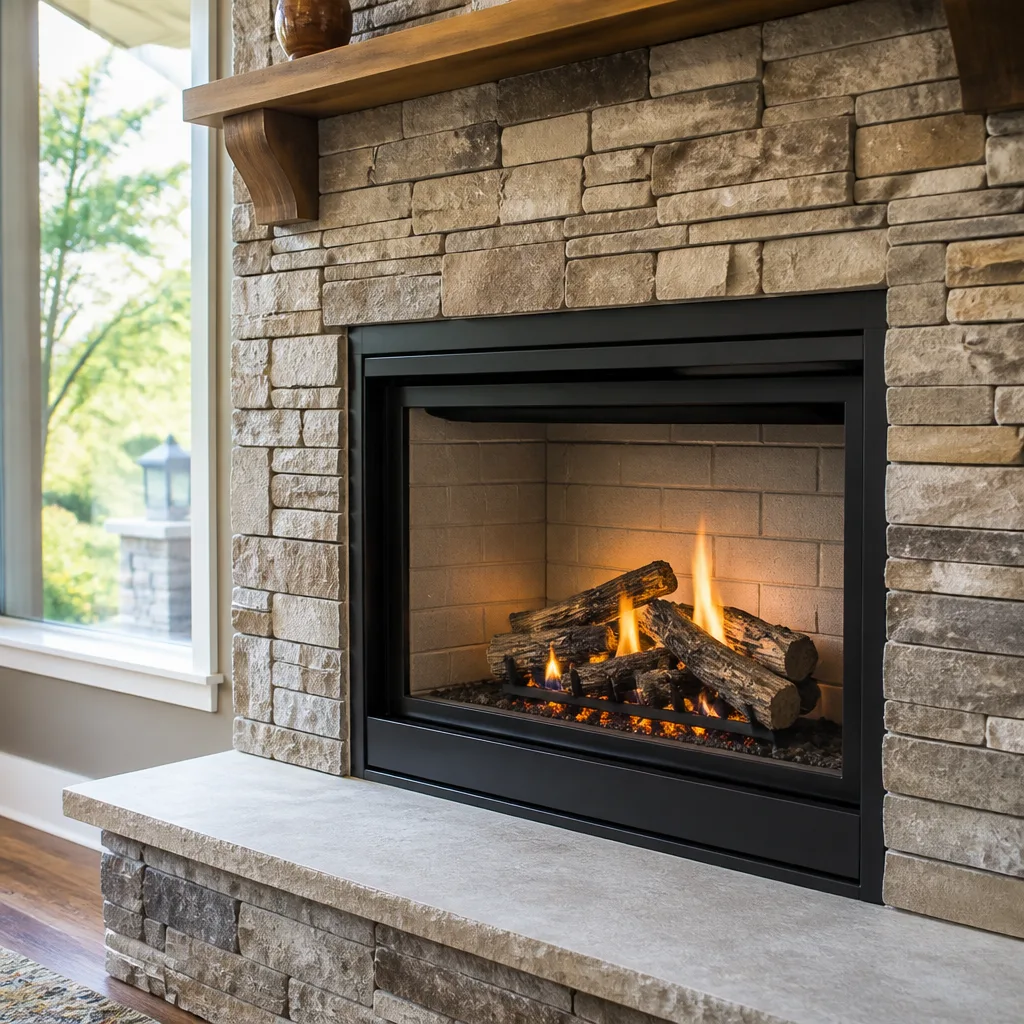
Level 1 sweep and inspection to the NFPA 211 annual standard - flue, crown, cap, and flashing checked and photographed
Chimney sweep logs do not sweep chimneys. They loosen some creosote - which then falls where a brush and vacuum still have to collect it.

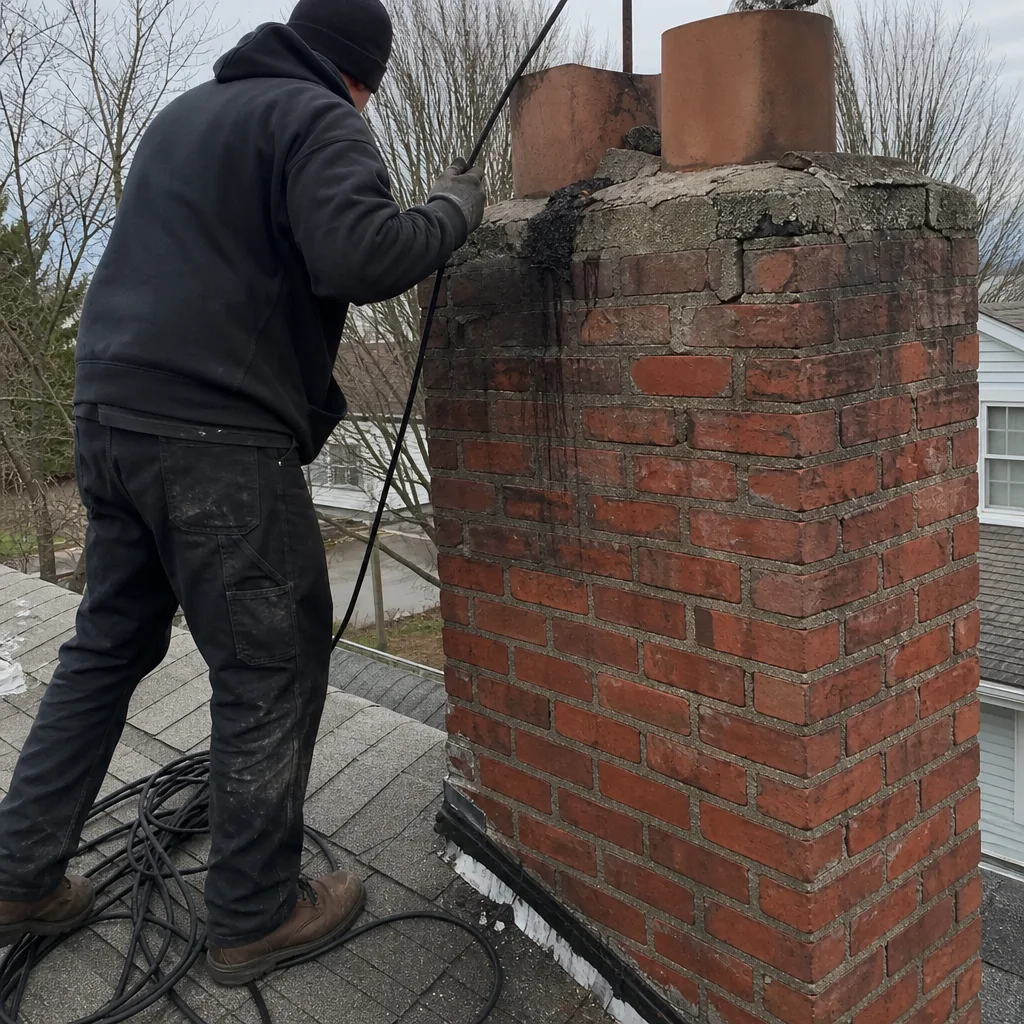 Before
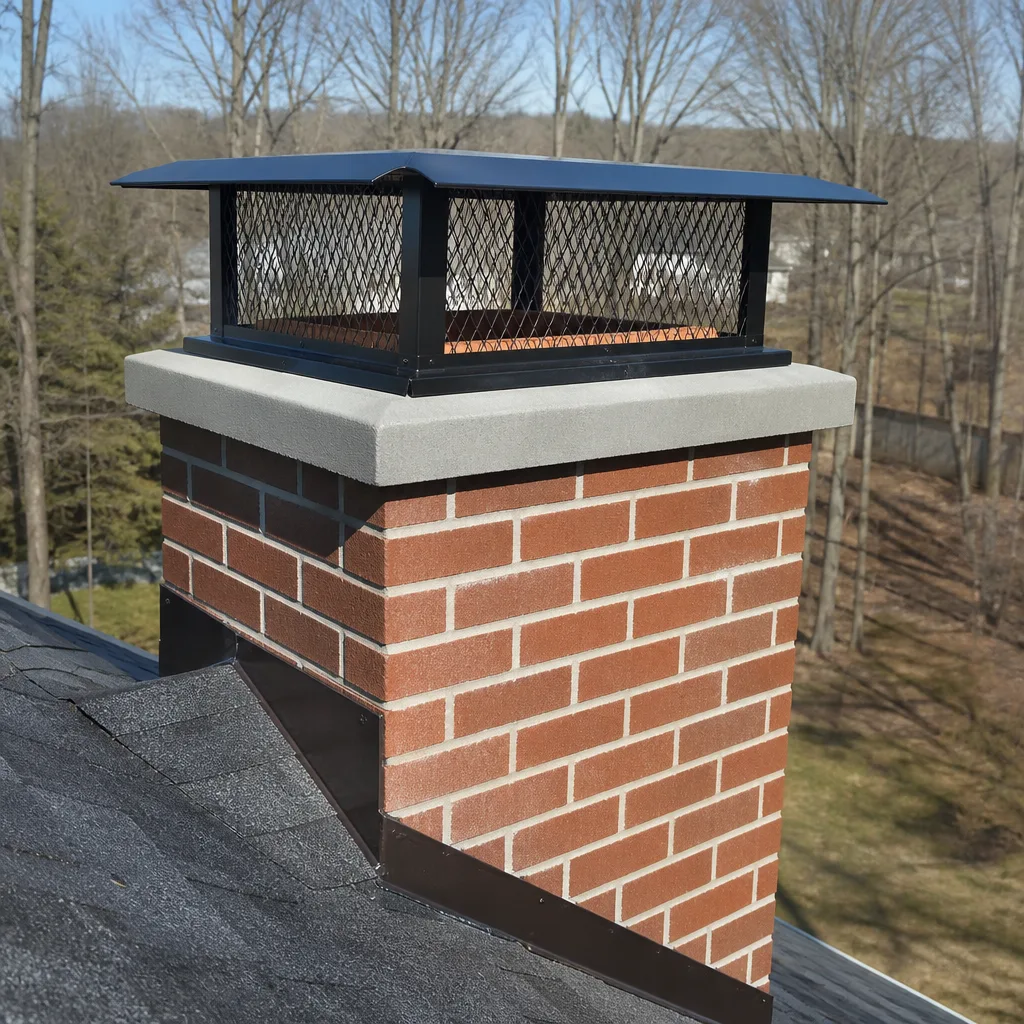 After
After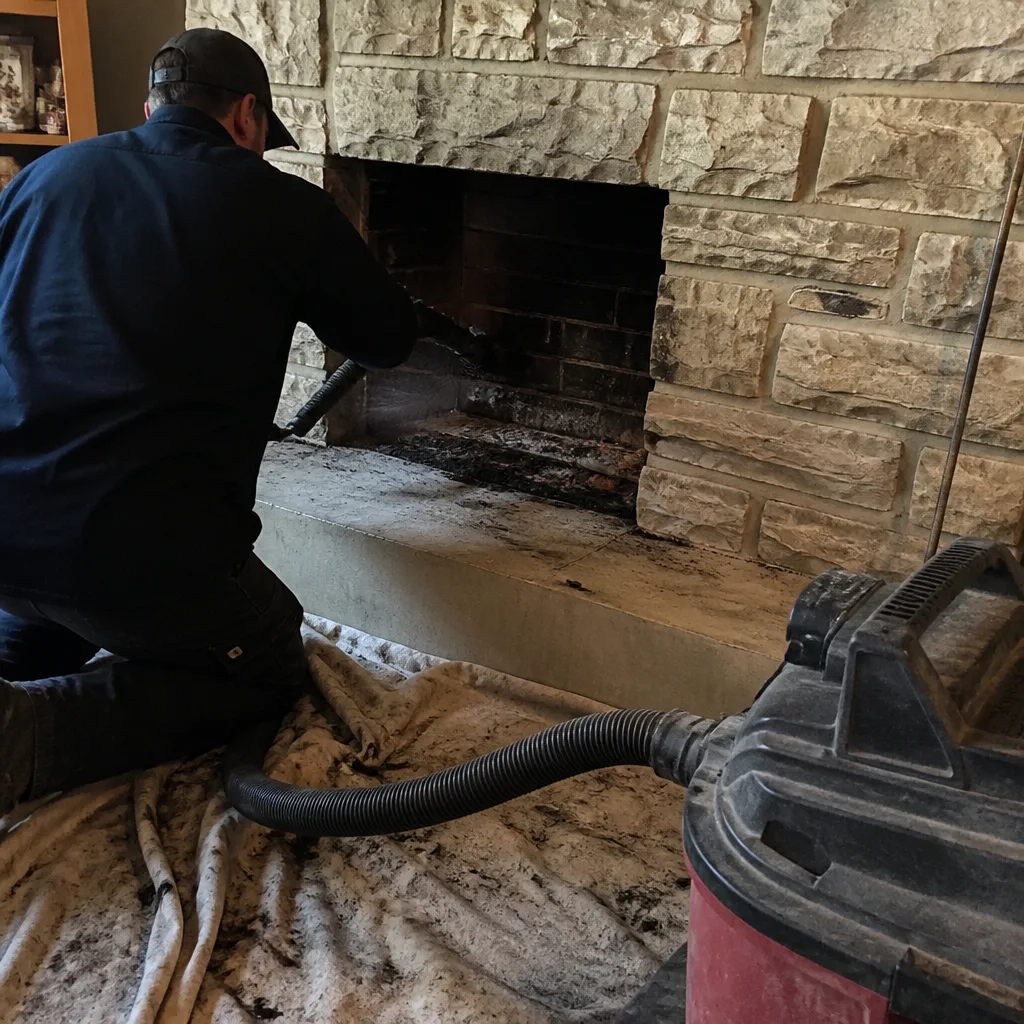 Before
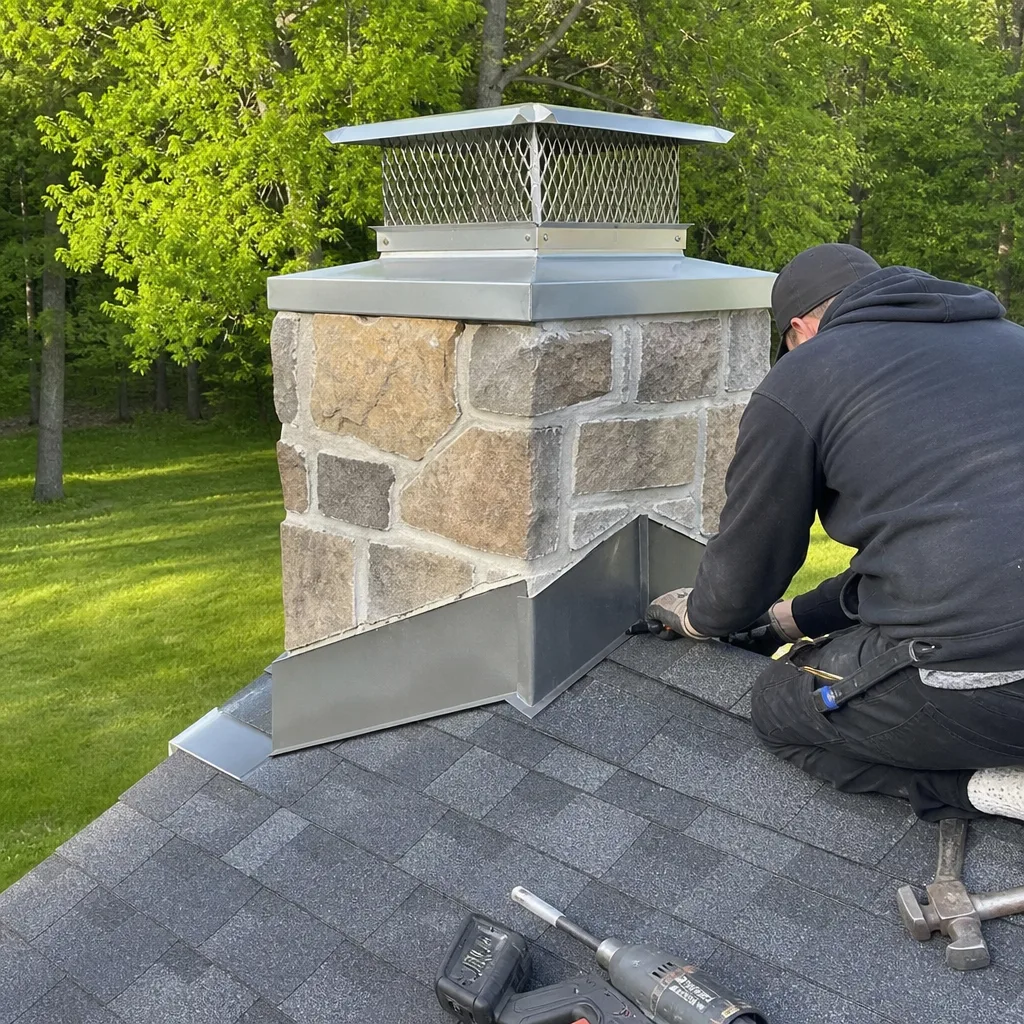 After
After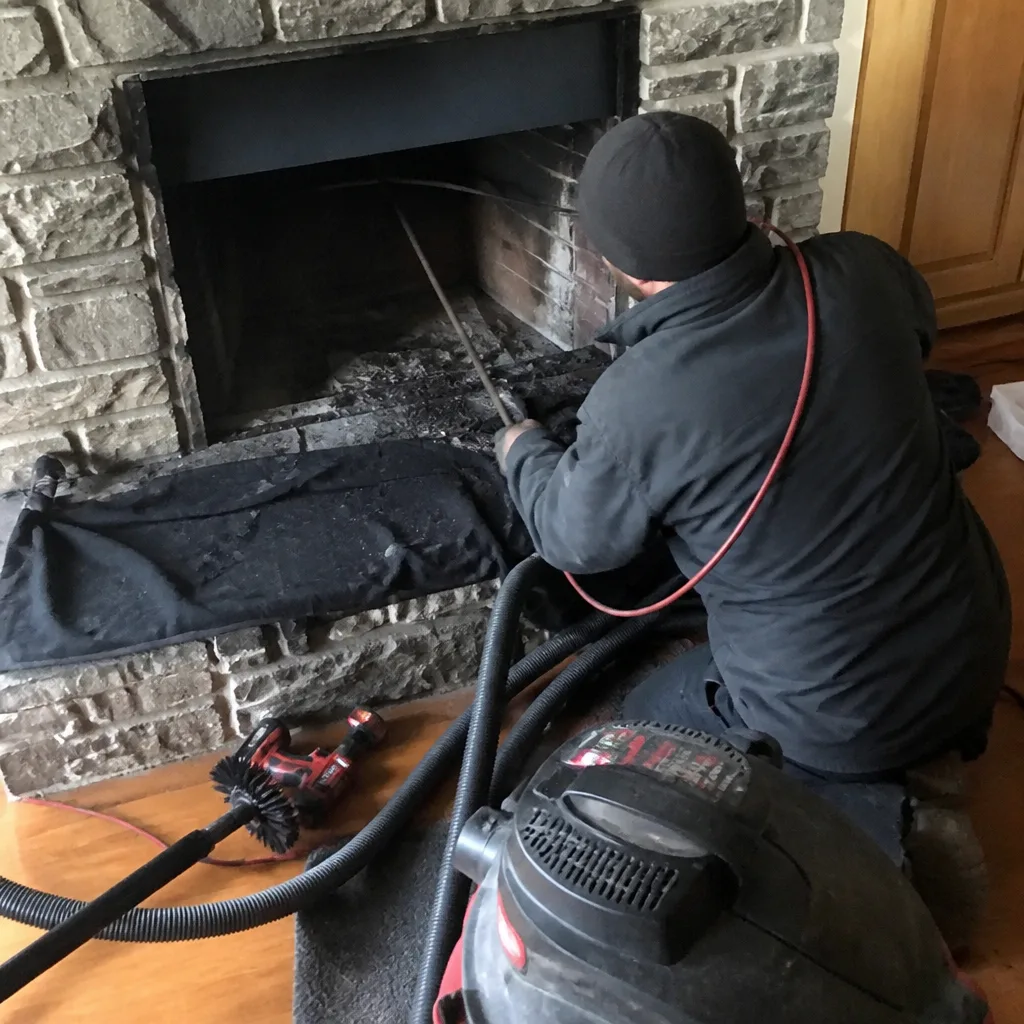 Before
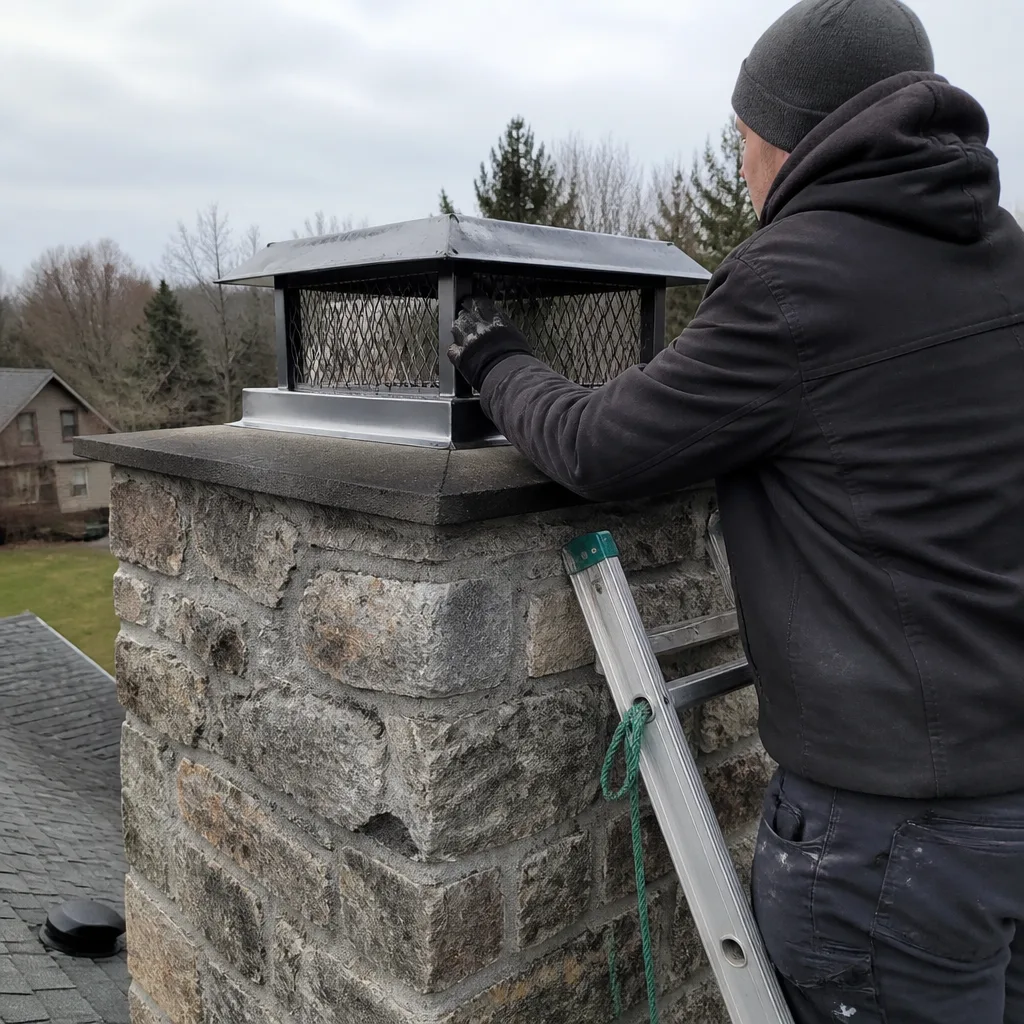 After
AfterChimney Cleaning Permits, Codes & Inspections in PA: What You Need to Know
A chimney relining job done without a permit in Pennsylvania can void a homeowner’s fire insurance claim - a fact most contractors never mention, and most homeowners discover too late. In our 42 years serving Pike County, we’ve seen Milford homeowners learn this the hard way after a chimney fire, when the adjuster asks for permit documentation that doesn’t exist. This guide explains which chimney services require permits under Pennsylvania law, which don’t, and how to protect yourself before the work starts.
Quick Answer
Most routine chimney cleaning and sweeping in Pennsylvania does not require a building permit, as detailed in our Complete Guide to Chimney Cleaning in Milford. However, structural repairs, liner replacements, and modifications to the chimney system typically do require permits under the Pennsylvania Uniform Construction Code (UCC). In Pike County and Milford Borough, enforcement falls to the local code office, and unpermitted work can block home sales and invalidate insurance claims.
Table of Contents
- How Pennsylvania’s UCC Applies to Chimney Work
- What Chimney Services Are Permit-Exempt in PA
- When a Chimney Project Requires a Building Permit
- How Pike County and Milford Borough Handle Permits in Practice
- What NFPA 211 Covers and Why Insurance Adjusters Cite It
- How to Verify a Contractor Pulled the Right Permits
- Code Triggers We Find Most Often During Cleaning
- How Unpermitted Work Affects Insurance and Home Sales
How Pennsylvania’s UCC Applies to Chimney Work
Pennsylvania adopted the Uniform Construction Code (UCC) in 2004, replacing the patchwork of municipal codes that had governed building work for decades. The UCC incorporates the International Residential Code (IRC) and International Building Code (IBC) by reference, which means chimney standards in PA align with national codes - with a few state-specific amendments.
Under the UCC, any “construction, reconstruction, alteration, repair, movement, demolition, or change of occupancy” of a structure requires a building permit. The key word for chimney work is “alteration.” A standard sweep that removes creosote without modifying the chimney system is maintenance, not alteration. But replace a liner, rebuild a crown, or install a new damper assembly, and you’ve crossed into permit territory.
The Pennsylvania Department of Labor & Industry oversees UCC administration, but actual permit issuance and inspection happen at the municipal level. In Pike County, this means the township or borough code office - not the state - reviews your chimney project. Milford Borough maintains its own code enforcement officer, while surrounding townships like Westfall, Dingman, and Milford (the township) may contract inspection services through third-party agencies.
We’ve found that many homeowners - and more than a few contractors - confuse the UCC with the International Mechanical Code or assume Pennsylvania has a statewide chimney inspection requirement. It doesn’t. There is no annual chimney inspection mandate in PA. The obligation to maintain a safe chimney falls to the homeowner, and the obligation to pull permits falls to the contractor doing the work.
One critical detail: the UCC exempts “ordinary repairs” from permit requirements. The IRC defines ordinary repairs as work that doesn’t affect structural integrity, egress, fire protection, or energy conservation. A chimney liner with gaps or spalling flue tiles absolutely affects fire protection. That’s why we document everything during our chimney cleaning and sweep in Milford - photos you can see, a plain-English verdict on whether the condition crosses into permit-required territory.
What Chimney Services Are Permit-Exempt in PA
Routine maintenance and cleaning fall outside UCC permit requirements. Here’s what you can typically have done without filing paperwork:
- Level 1 chimney sweeping: Removal of creosote, soot, and debris from the flue, smoke chamber, and firebox using brushes and vacuums. No disassembly of components.
- External visual inspection: Checking the chimney cap, crown, and brickwork from ground level or roof without destructive testing.
- Minor component cleaning: Cleaning glass doors, adjusting existing dampers that aren’t being replaced, and replacing gaskets on factory-built fireplace doors.
- Waterproofing spray application: Applying breathable masonry sealers to exterior brick - provided no flashing or crown work is involved.
The distinction matters because some contractors use “cleaning” as a catch-all term that includes work that should be permitted. We’ve seen Milford homeowners pay for what they thought was a routine sweep, only to discover later - as explained in our Chimney Cleaning Warning Signs: A Milford Homeowner’s Reference Guide - that the contractor had removed and replaced their damper assembly without a permit. The work was done correctly, but the documentation gap created problems at closing when they sold the house.
Our approach at Hearthstone Chimney Co. home is straightforward: if the scope crosses into alteration territory, we stop and discuss permits before proceeding. No surprises on the bill, and no surprises at the code office.
When a Chimney Project Requires a Building Permit
Permit triggers under the UCC are broader than many homeowners expect. Based on our experience with Pike County code offices, here are the chimney projects that consistently require permits:
- Chimney liner replacement or relining: Whether stainless steel, aluminum, or cast-in-place, a new liner changes the chimney’s internal configuration and fire protection rating. This is the most commonly missed permit requirement.
- Crown rebuild or replacement: The crown is structural - it sheds water and protects the flue. Rebuilding it with proper overhang and drip edge is alteration work.
- Chimney rebuilding above the roofline: Any masonry reconstruction affecting structural stability requires permits and often engineering review.
- Thimble or connector modifications: Changing how an appliance connects to the flue, including new thimble installations for inserts.
- Damper replacement (in many jurisdictions): This varies by municipality. Milford Borough typically requires permits for top-sealing damper installations; some townships treat throat damper replacement as repair.
- Chimney cap installation with spark arrestor: When attached with new fasteners or brackets that penetrate the crown.
- Factory-built chimney repairs: Any component replacement in a prefabricated metal chimney system.
Permit costs in Pike County range from $50 to $250 depending on project value and jurisdiction. Milford Borough’s fee schedule is published at the borough office on Broad Street. The real cost of skipping permits isn’t the fine - it’s the downstream consequences we’ll cover in the insurance and sales section.
For chimney repair in Milford, we handle permit applications as part of our standard process. The homeowner sees the permit number, the inspection schedule, and the signed-off completion card. In writing, no arguing - that’s how we’ve operated since 1984.
How Pike County and Milford Borough Handle Permits in Practice
Code enforcement in Pike County is decentralized, which creates real variation in how chimney permits are processed. Understanding the local landscape saves time and prevents rejected applications.
Milford Borough employs its own code enforcement officer and handles permits directly at the borough building. Chimney work typically requires:
- Completed UCC permit application with project description
- Contractor registration and insurance certificate
- Site plan showing chimney location (for exterior work)
- Manufacturer specifications for liners, caps, or other components
Inspection scheduling runs through the borough office. The officer typically inspects liner installations from the roof and interior, checking proper sizing and connection. We’ve found Milford’s process thorough but predictable - permits issue within 3-5 business days when applications are complete.
Surrounding townships use different models. Westfall Township contracts with a third-party inspection agency. Dingman Township uses a similar arrangement. These contracted inspectors may visit less frequently than a full-time municipal officer, which means scheduling final inspections requires patience. We’ve learned their rotation schedules through decades of working in these communities and plan accordingly.
Pike County’s rural character affects enforcement in practical ways. Properties on unpaved roads or steep terrain may require the inspector to visit on specific days when four-wheel-drive access is reliable. Winter inspections above the roofline become impractical during ice events. We’ve postponed jobs rather than ask an inspector to risk injury - and we communicate this reality to homeowners upfront.
The climate around Milford accelerates certain chimney problems that trigger permit needs. Freeze-thaw cycles from late October through April break down crowns and mortar joints faster than in southeastern PA. We’ve replaced liners in Matamoras and Shohola that failed prematurely because water infiltration from crown damage went unaddressed. When we find this during cleaning, we explain the permit pathway before recommending repair.
What NFPA 211 Covers and Why Insurance Adjusters Cite It
The National Fire Protection Association Standard 211 - “Standard for Chimneys, Fireplaces, Vents, and Solid Fuel-Burning Appliances” - is not Pennsylvania law. It is a consensus standard developed by industry experts and adopted by reference in many jurisdictions. Yet it shapes insurance claims more directly than any state statute.
Here’s why: homeowner insurance policies contain a “reasonable care” clause requiring the insured to maintain their property according to recognized standards. When a chimney fire occurs, the adjuster investigates whether the chimney was maintained per NFPA 211. If not, the claim may be denied or reduced - even if the work complied with minimum legal requirements.
NFPA 211 specifies:
- Chimneys shall be inspected at least annually and cleaned as needed (Section 14.2)
- Chimney liners shall be continuous, properly sized, and free of cracks or gaps (Section 12.4)
- Clearances to combustibles shall meet manufacturer specifications or 2-inch minimum where not specified (Section 11.2)
- Factory-built chimneys shall be installed per listed instructions and not modified (Section 11.4)
The gap between legal minimum and NFPA standard creates the insurance trap. A Pennsylvania homeowner could have a legally unpermitted liner installation that passes municipal inspection but fails NFPA 211 review after a fire. The municipality approved the work; the insurer denies the claim because the liner was improperly sized or the clearance was inadequate.
We’ve testified in claim disputes where this exact scenario played out. In one Milford case, a homeowner’s cast-in-place liner developed cracks within five years. The original installer was unlicensed and had pulled no permit. The insurer denied the fire damage claim, citing NFPA 211 Section 12.4.2 on liner integrity. The homeowner paid $14,000 out of pocket for repairs that should have been covered.
Our Level-2 camera inspections document NFPA 211 compliance with photos you can see and a plain-English verdict. If we find a condition that violates the standard - even if it’s not yet a code violation - we tell you. That’s the difference between a sweep who cleans and a sweep who protects your interests.
How to Verify a Contractor Pulled the Right Permits
Verifying permits is simple, but most homeowners don’t know where to look. Here’s the step-by-step process for Pike County:
- Ask for the permit number before work begins. A legitimate contractor has this before starting. If they say they’ll “take care of it later,” that’s a red flag.
- Check with the issuing authority. For Milford Borough, call the code office at (610) 991-8179 or visit in person at 201 Broad Street. For township work, contact the township secretary to identify the contracted inspection agency.
- Request the inspection schedule. Permitted work requires rough and final inspections. The contractor should know when these will occur.
- Verify the final inspection sign-off. This is the green tag or signed completion card that closes the permit. Don’t make final payment without seeing it.
- Keep records with your home files. Permit documentation belongs with your deed, insurance policies, and appliance manuals. Future buyers and insurers will ask.
Some contractors in the Milford area operate under “home improvement” registrations rather than full contractor licenses. Pennsylvania’s Home Improvement Consumer Protection Act requires registration for jobs over $500, but registration is not a license and does not include permit responsibility. Ask specifically: “Will you pull the building permit, or is that my responsibility?” Get the answer in writing.
We’ve encountered homeowners who pulled permits themselves to save money. This makes you the “owner-builder” under UCC rules, potentially voiding your contractor’s insurance coverage if something goes wrong. The permit holder bears liability. It’s not worth the risk for chimney work involving fire safety.
At Hearthstone, permit handling is included in our repair quotes. The number on the estimate is the number on the invoice - no permit fees added later, no surprises.
Code Triggers We Find Most Often During Cleaning
Our chimney cleaning and sweep in Milford regularly uncovers conditions that trigger permit requirements. Three dominate:
Liner deterioration. Clay flue tiles crack from thermal shock and freeze-thaw cycles. A cracked liner is not a permit issue by itself - but replacement is. We document cracks with camera inspection photos and measure clearances to combustibles. If the liner needs replacement, we explain the permit pathway and provide a written quote including permit handling.
Clearance violations. Older homes in Milford’s historic district and surrounding farmhouses often have chimneys built to standards that predate modern codes. Framing too close to the masonry, modified mantel supports, or added insulation can reduce clearances below IRC minimums. Correcting these requires permit-covered alteration work. We mark violation locations on our inspection photos so homeowners understand exactly what needs addressing.
Improper damper replacement. This is the sneakiest trigger. A throat damper that rusts through seems like a simple swap. But modern replacement dampers, especially top-sealing models from manufacturers like Famco, change the chimney’s draft characteristics and may require permit review. We’ve seen unpermitted damper installations that worked fine functionally but created documentation gaps at sale time.
Our materials come from professional-grade suppliers - Olympia Chimney for stainless liners, DuraFlex for specific applications, Famco for ventilation components. We specify brands in our quotes so there’s no substitution with builder-grade products that might not meet code or manufacturer listings.
How Unpermitted Work Affects Insurance and Home Sales
The consequences of unpermitted chimney work arrive long after the contractor has cashed the check. We’ve seen three scenarios repeatedly in Pike County:
Insurance claim denial after chimney fire. The adjuster requests permit records. None exist. The claim is denied or reduced, with the homeowner arguing that the work was “just a repair.” The insurer cites NFPA 211 and the policy’s maintenance clause. We’ve been called after the fact to document what went wrong - too late to prevent the financial hit.
Failed home inspection at sale. Pike County buyers increasingly use inspection services that check permit history. Unpermitted liner work, crown rebuilds, or chimney modifications appear as red flags. The buyer demands retroactive permitting (often impossible), price reduction, or repair by a permitted contractor. Deals fall through over $200 in skipped permit fees.
Municipal enforcement action. Less common but real: a neighbor’s complaint or visible construction triggers a code officer visit. Work without permits can be ordered removed or redone at the owner’s expense. In Milford Borough, the code office has authority to issue citations with daily fines until compliance.
The prevention is simple: verify permits before work starts, confirm final inspection before final payment, and keep documentation forever. A square deal includes proper paperwork.
Common Mistakes to Avoid
- Assuming “cleaning” covers everything. A sweep that includes component removal or replacement may cross into permit territory. Ask what’s included before authorizing work.
- Trusting verbal permit assurances. “Don’t worry, we’ve got it covered” means nothing without a permit number. Get it in writing.
- Paying in full before final inspection. Contractors with nothing left to collect have reduced incentive to schedule inspection completion. Hold 10-15% until the signed completion card is in hand.
- Ignoring township-specific requirements. What passed in Stroudsburg may not pass in Milford Borough. Local amendment codes vary.
- Discarding permit documentation. Keep permits, inspection records, and contractor invoices for the life of the home. Digital copies in cloud storage protect against loss.
- Hiring unregistered contractors. Pennsylvania’s HICPA registry is searchable online. Unregistered contractors working on jobs over $500 are operating illegally - and unlikely to handle permits properly.
When to Call a Professional
Call a sweep when you notice odors, drafting problems, visible creosote buildup, or it’s been over a year since your last inspection. Call immediately if you’ve had a chimney fire, even a small one - the damage may be hidden. Call before buying a home with a fireplace; we provide pre-purchase inspections that have saved Milford buyers from inheriting unpermitted, unsafe work.
If your cleaning uncovers liner damage, clearance issues, or structural concerns, you’ll need a contractor who understands Pike County’s permit landscape, not just someone with brushes and a vacuum. Hearthstone Chimney Co. offers free estimates in Milford - explore more guides & resources or call (610) 991-8179. We’ll assess the condition, explain what permits apply, and handle the paperwork if repair work is needed. Photos you can see, a plain-English verdict, and work done right - with the 90-Day Done Right Promise in writing.
Frequently Asked Questions
No. Standard chimney sweeping and Level 1 visual inspection are maintenance activities that do not require building permits under the Pennsylvania UCC. However, if the sweep reveals conditions requiring liner replacement, crown rebuild, or other alterations, those repairs will need permits.
Our seasonal tune-up is $89 for standard fireplace and chimney systems in the Milford area. Level-2 camera inspections, which we recommend for homes over 10 years old or after any chimney fire, are priced based on system accessibility and number of flues. Call (610) 991-8179 for exact pricing - estimates are free.
NFPA 211 recommends annual inspection and cleaning as needed. In Milford’s climate, where homeowners burn wood 4-5 months annually and freeze-thaw cycles accelerate masonry deterioration, we find that heavy-use fireplaces need sweeping annually and all systems benefit from yearly inspection. Occasional use systems may extend to every two years with Level-2 inspection.
Skipped maintenance leads to creosote accumulation, which can ignite and cause chimney fires reaching 2,000°F. That heat damages liners and nearby combustibles. Deferred maintenance also allows water infiltration that destroys crowns, rusts dampers, and undermines structural integrity. The repairs cost far more than prevention. Call (610) 991-8179 to schedule before burning season.
Milford Borough does not currently maintain online permit records. Verification requires calling the code office at (610) 991-8179 or visiting in person. Pike County townships using third-party inspectors may have online portals through their contracted agencies - ask the township secretary for access information.
Yes. We pull all required permits for chimney repair, relining, and reconstruction work in Milford and surrounding Pike County communities. The permit fee is included in our written estimate, and we schedule inspections as part of project management. You’ll receive copies of all documentation for your records.
The Bottom Line
Most chimney cleaning in Pennsylvania needs no permit. The repairs that cleaning reveals often do. The difference between a routine sweep and a permit-triggering alteration isn’t always obvious - which is why documentation matters. Verify permits before work begins, confirm final inspection before paying in full, and keep records for the life of your home. In Pike County’s decentralized enforcement environment, the homeowner who understands local procedures avoids the insurance and sale complications that trap the uninformed. Done right, with proper paperwork, your chimney system protects your home for decades. Done without permits, even excellent workmanship creates vulnerability.
For chimney cleaning, inspection, and repair in Milford with permits handled properly from start to finish, call Hearthstone Chimney Co. at (610) 991-8179. Free estimates, no-hassle upfront pricing, and the 90-Day Done Right Promise - in writing, no arguing.
Written by Russell Haines, Owner at Hearthstone Chimney Co., serving Milford since 2014.