
Last updated September 10, 2026
Level 1 sweep and inspection to the NFPA 211 annual standard - flue, crown, cap, and flashing checked and photographed
Chimney sweep logs do not sweep chimneys. They loosen some creosote - which then falls where a brush and vacuum still have to collect it.

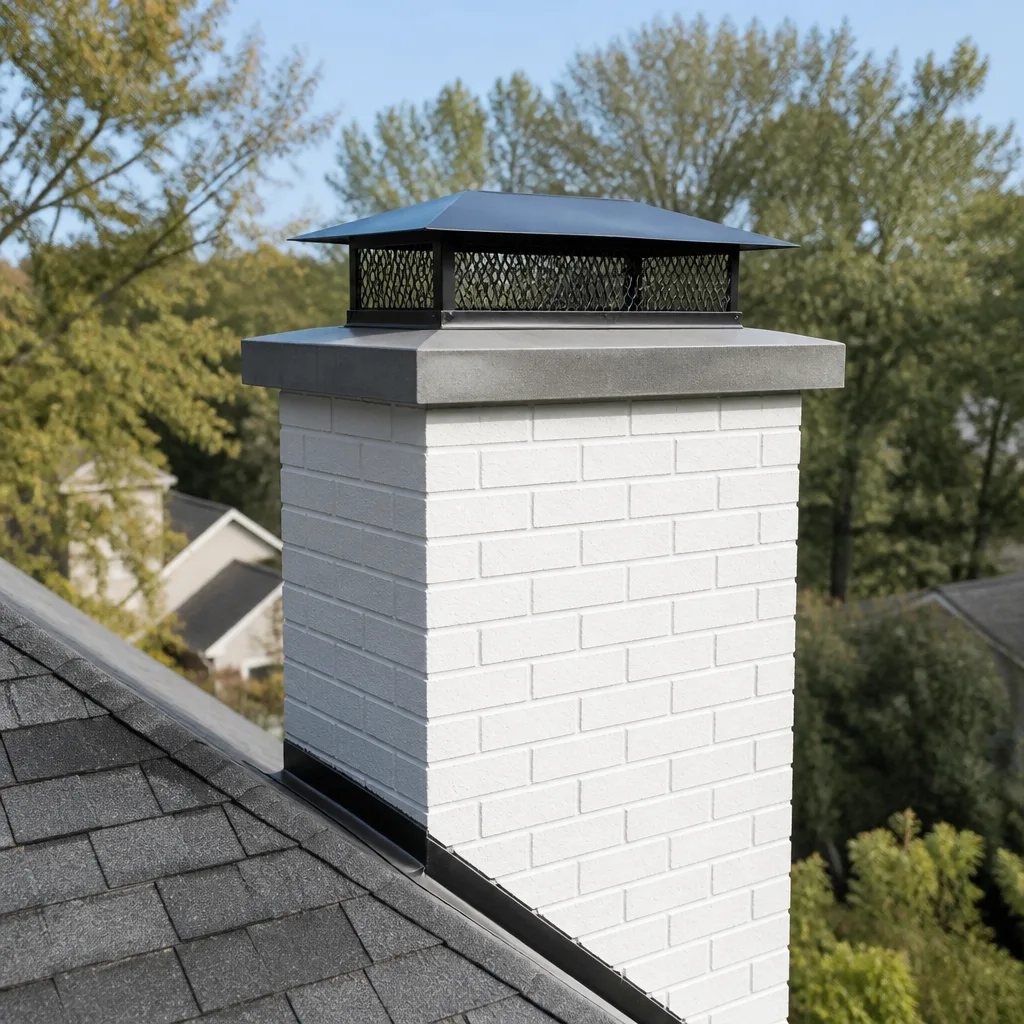
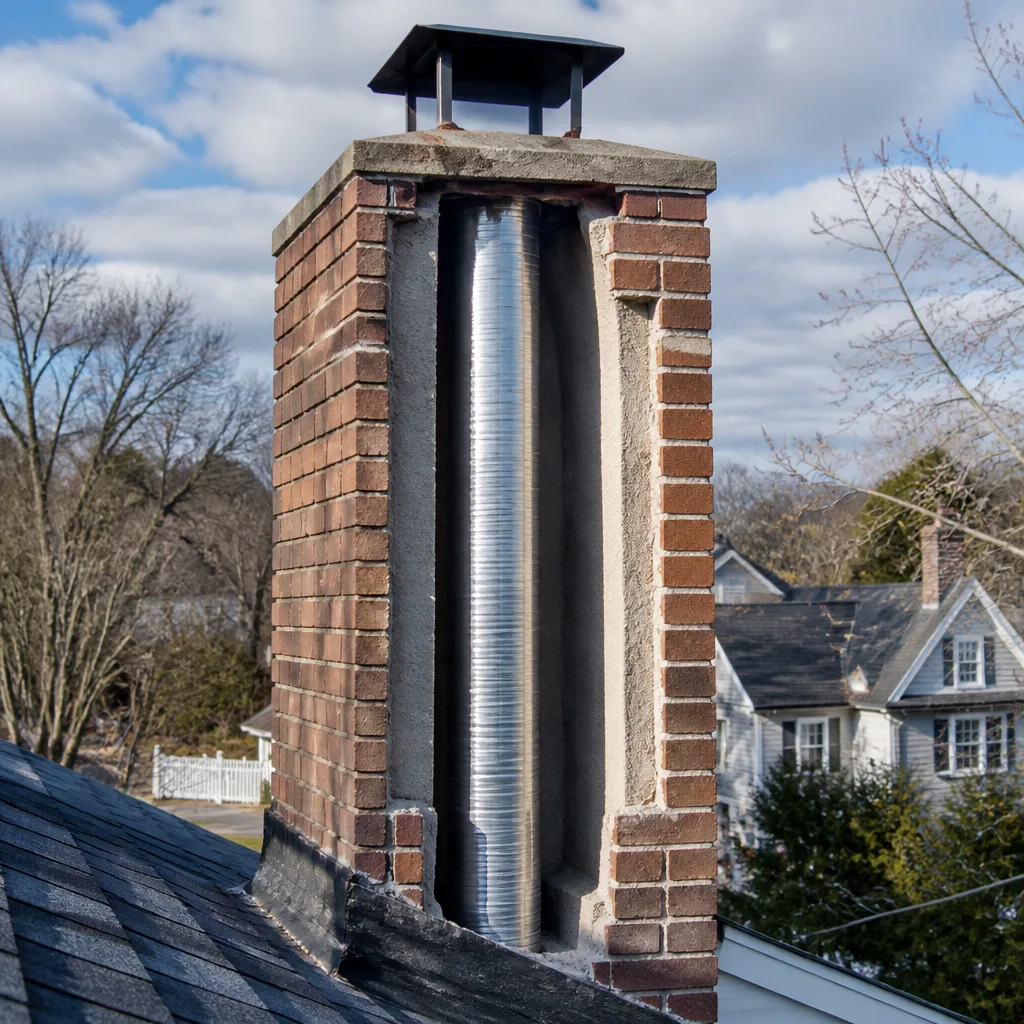
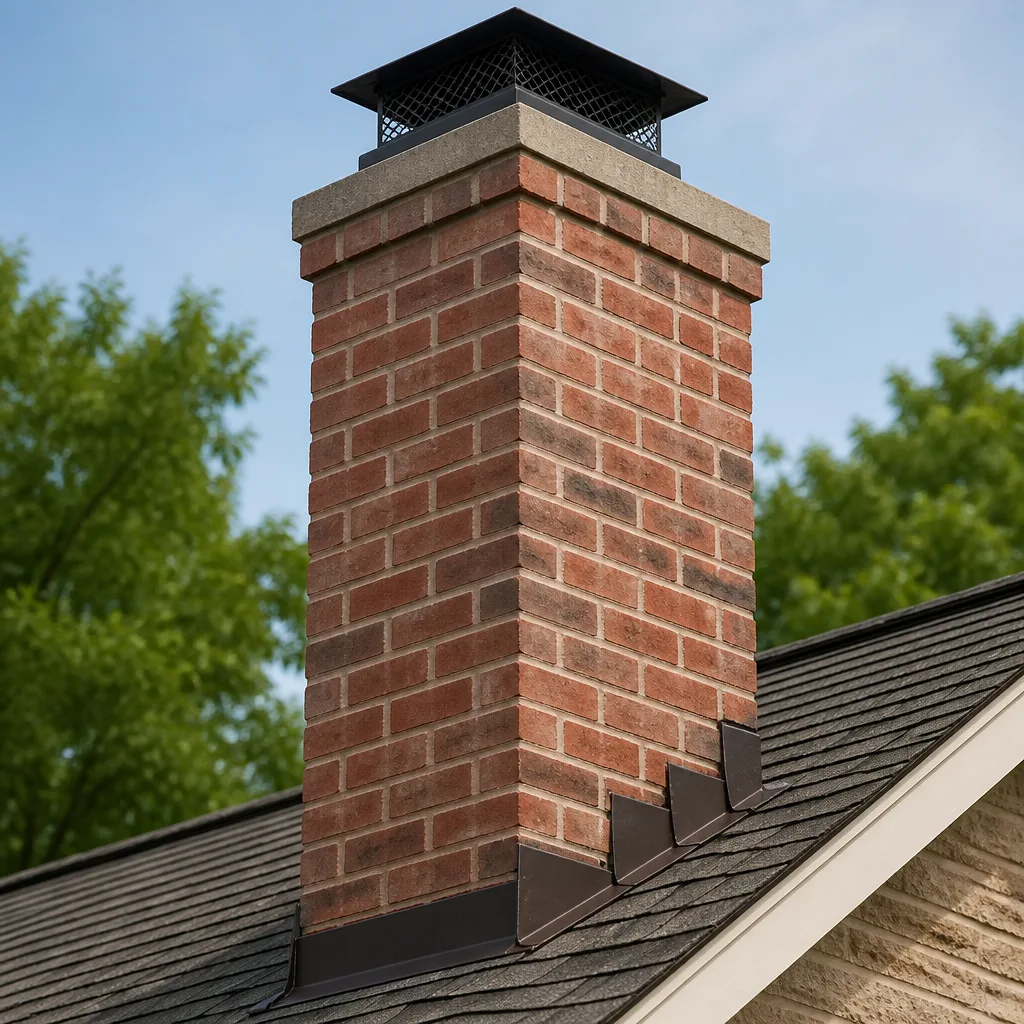
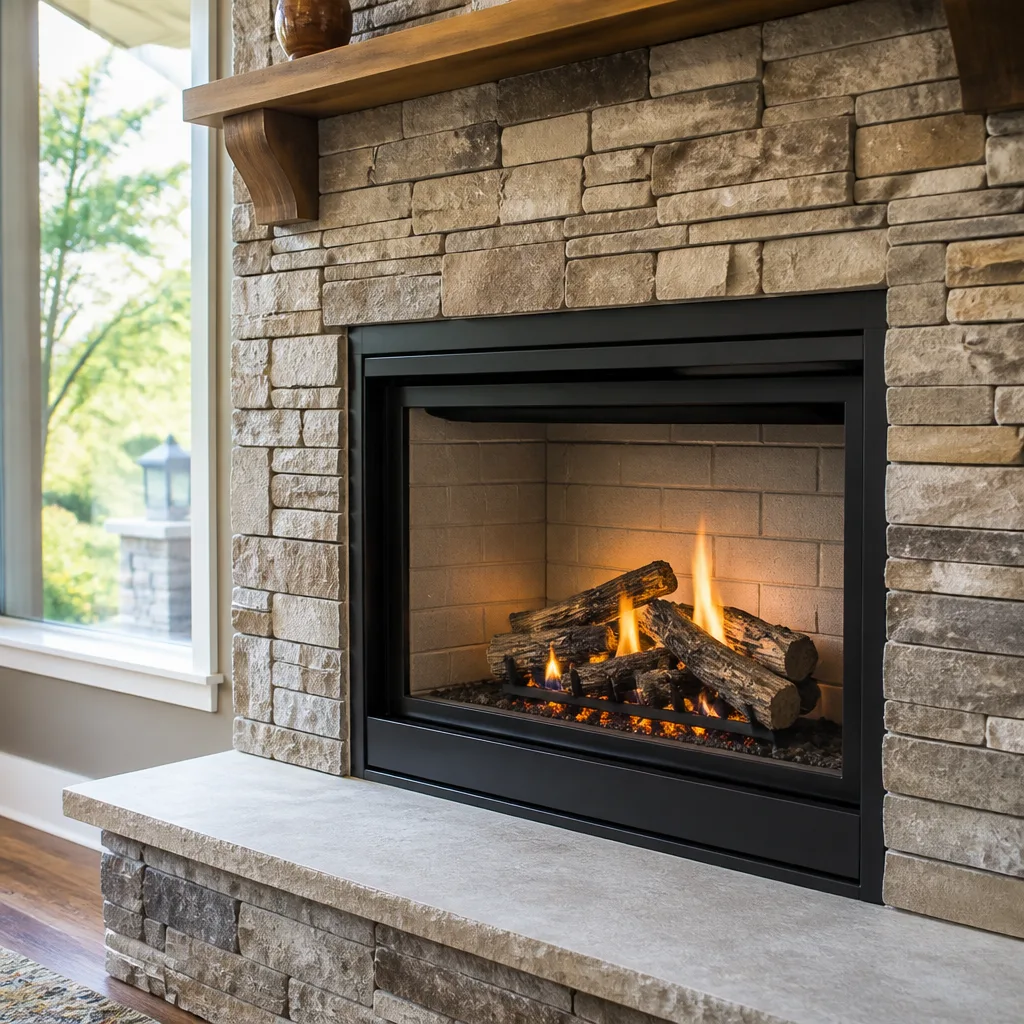
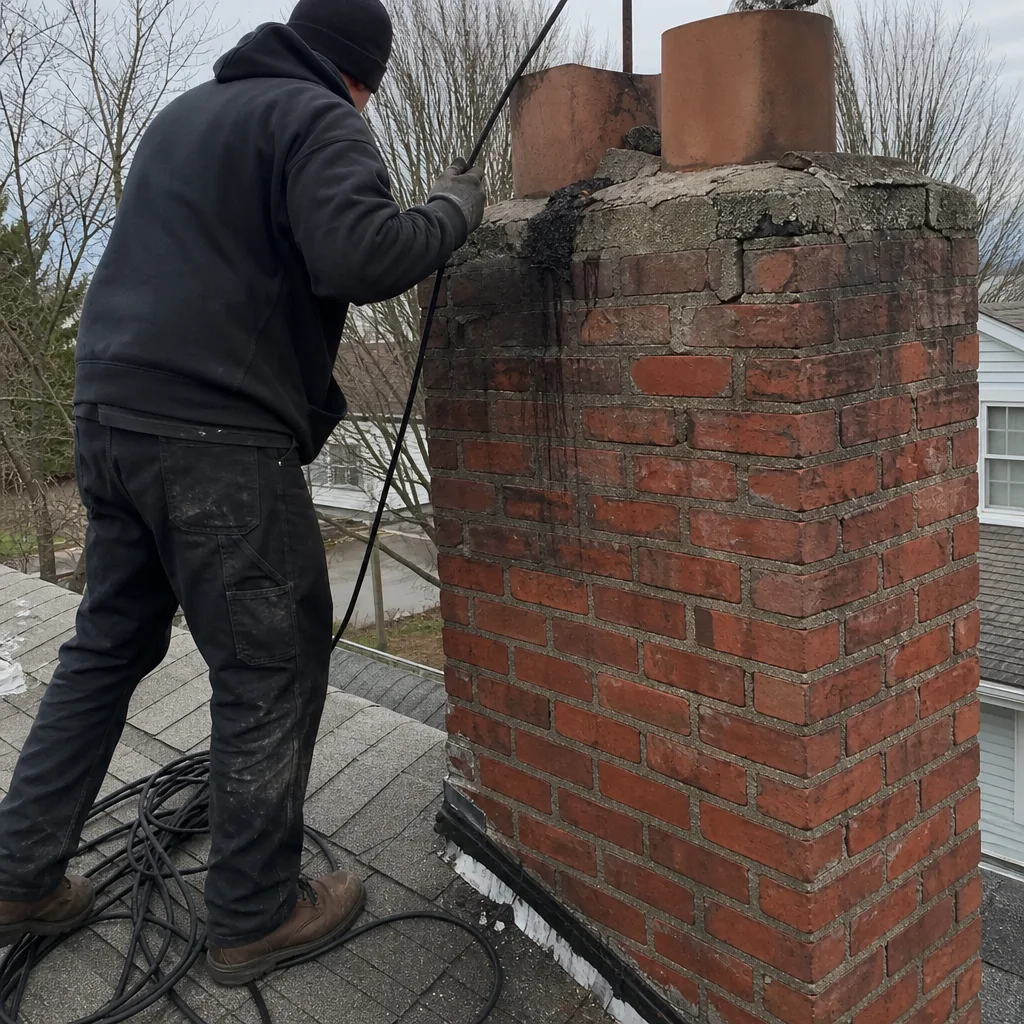 Before
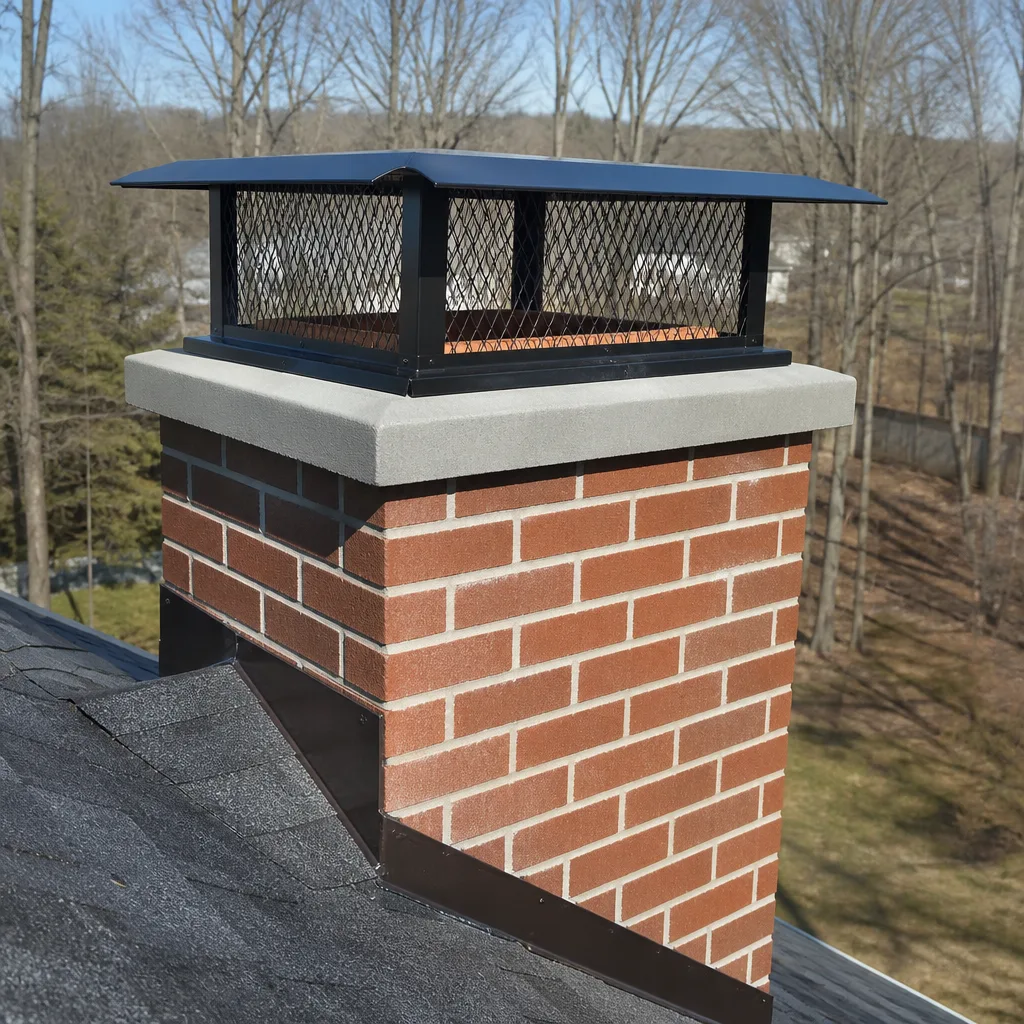 After
After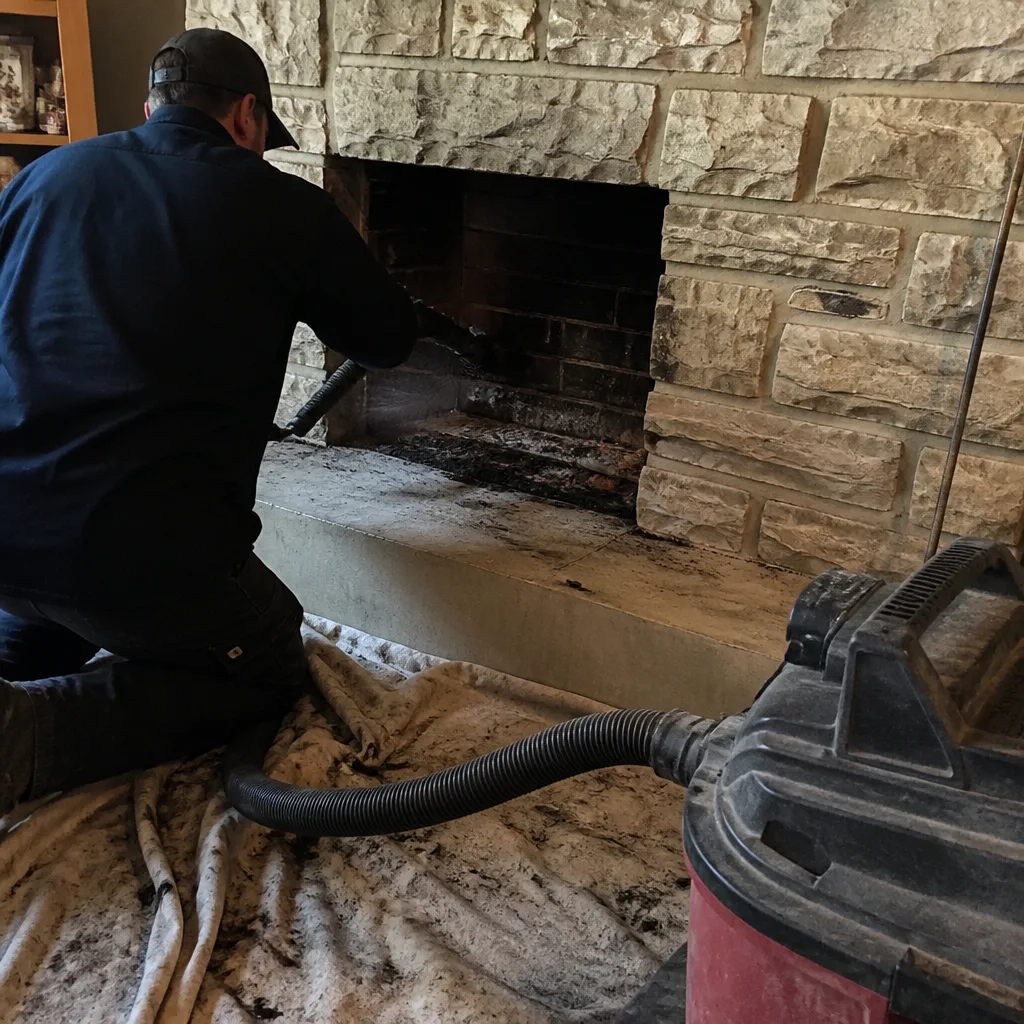 Before
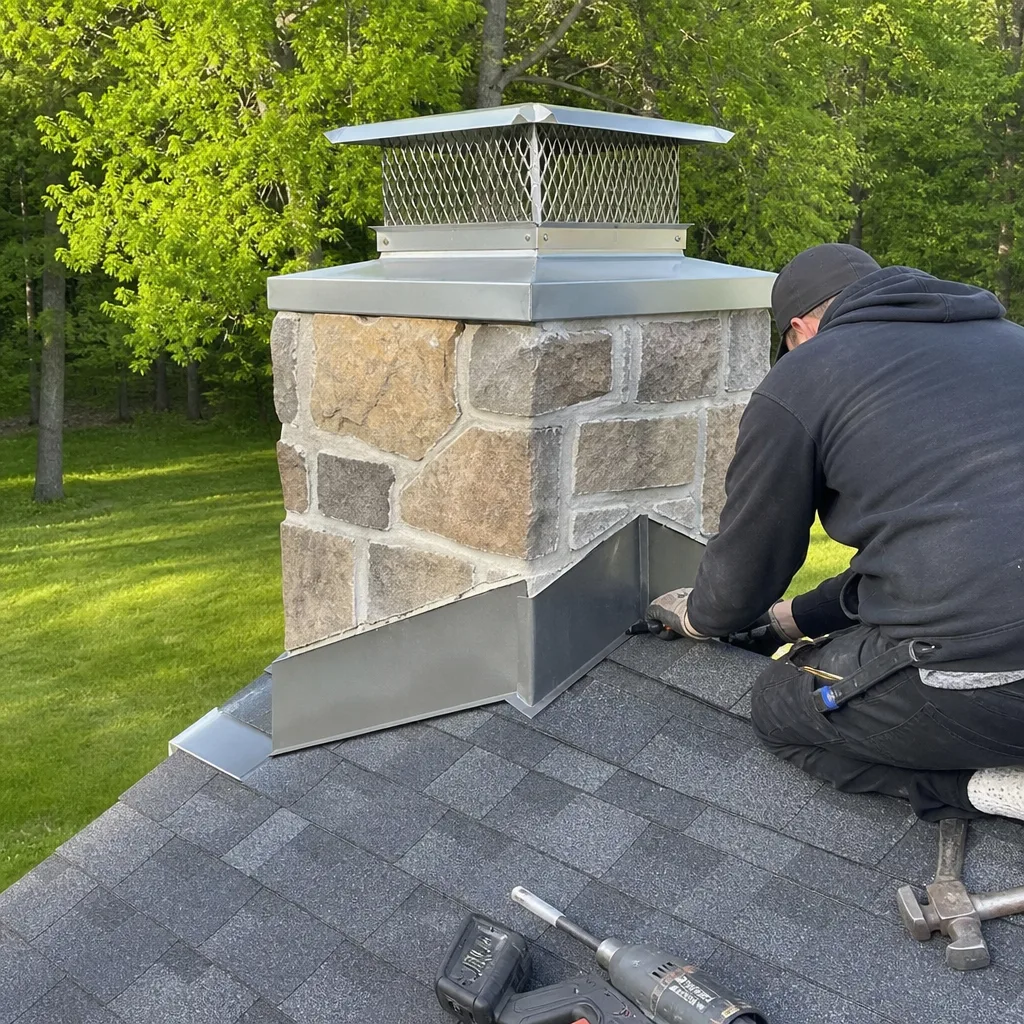 After
After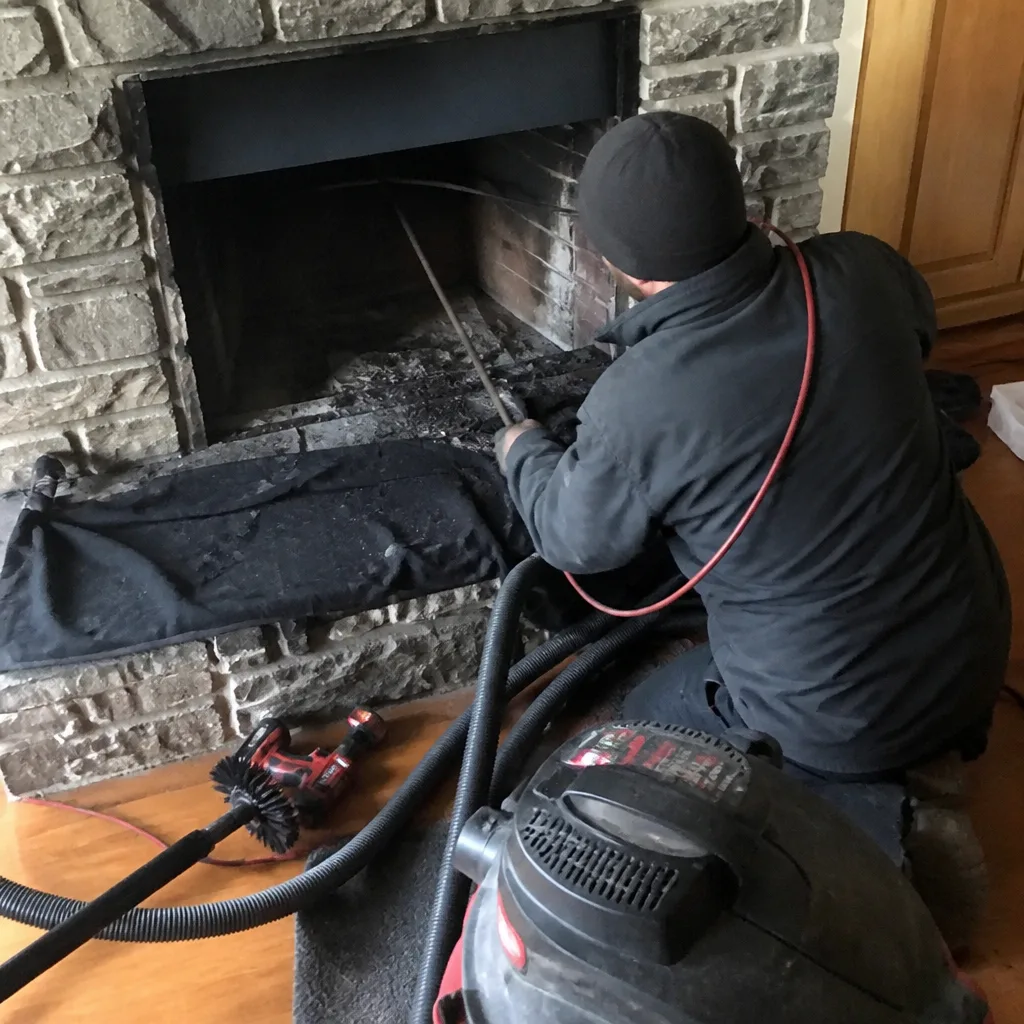 Before
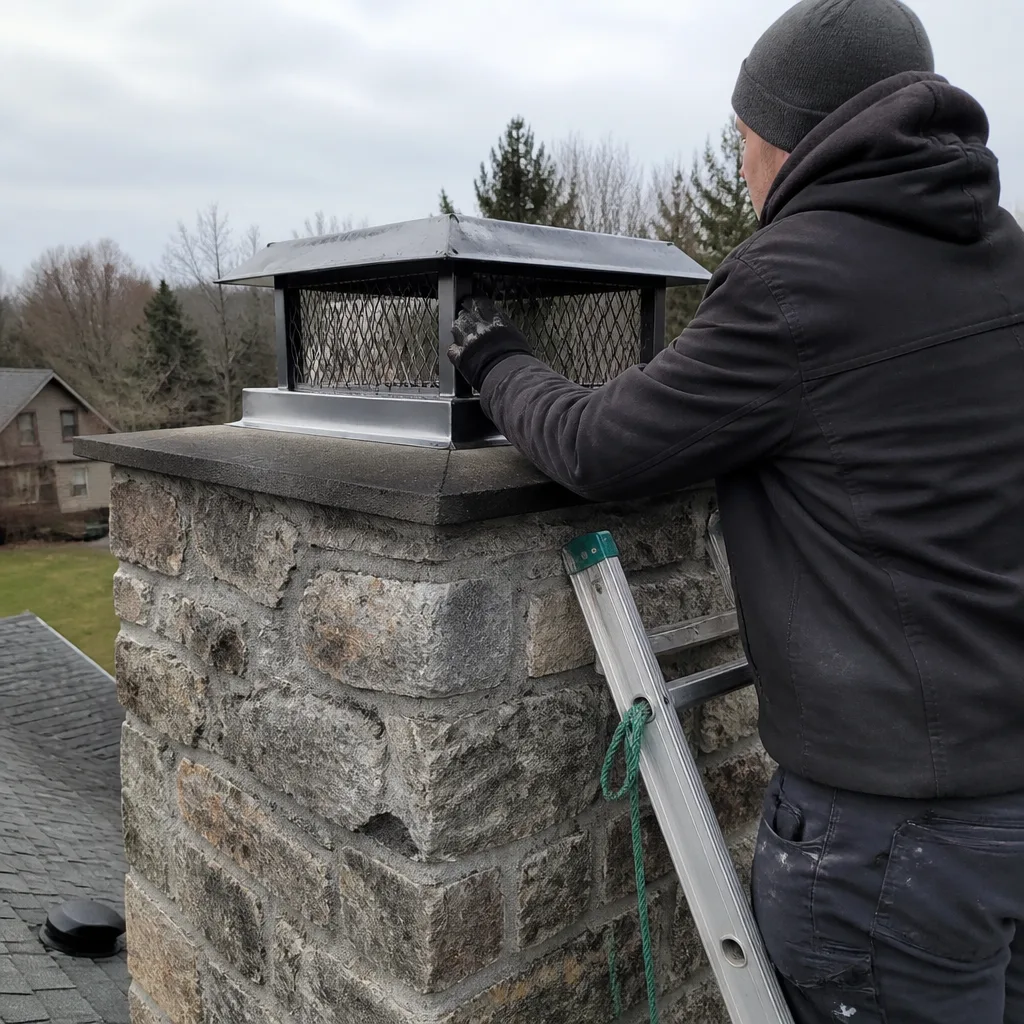 After
AfterChimney Cleaning & Sweep Maintenance Checklist for Milford Homeowners
The three things most homeowners never check - the smoke chamber, the chimney cap screen, and the firebox floor joints - account for the majority of chimney-related insurance claims in the Northeast. In Milford, where summer humidity settles into masonry like a stain and winter temperature swings stress every mortar joint, these overlooked spots become failure points that a simple visual check could catch. This guide gives you a room-by-room, season-by-season maintenance checklist tied to actual conditions in Pike County homes, not generic bullet points copied from a manufacturer’s pamphlet. You’ll learn what to look for, what to document, what’s safe to handle yourself, and what belongs in the hands of a trained sweep.
Quick Answer
Milford homeowners should perform chimney maintenance three times yearly: a pre-season inspection in September, mid-season checks monthly while burning, and post-season tasks in April. Key items include inspecting the chimney cap screen, checking firebox floor joints for gaps, documenting creosote buildup with photos, and scheduling our Chimney Cleaning & Sweep services for a professional Level-2 camera inspection annually. Most homeowners can safely handle cap checks and firebox visual inspections from ground level or the hearth, but smoke chamber evaluation, liner assessment, and roofline masonry work require professional equipment and training.
Table of Contents
- Pre-Season Checklist: What to Do Every September in Milford
- Mid-Season Checks You Can Do from the Hearth
- Post-Season Maintenance: Spring Tasks That Prevent Fall Surprises
- Documenting Your Chimney: Building a Yearly Baseline
- DIY vs. Professional: What’s Safe and What Isn’t
- Milford-Specific Risks: Climate, Wildlife, and Local Conditions
- Common Mistakes to Avoid
- When to Call a Professional
- Frequently Asked Questions
- The Bottom Line
Pre-Season Checklist: What to Do Every September in Milford
Milford’s shoulder season is deceptive. Days warm into the seventies while nights drop below fifty, and that temperature swing pulls moisture through masonry like a pump. After a humid Pike County summer, your chimney has absorbed more water than most homeowners realize. September is your window to address it before the first fire.
Start outside. Check the chimney cap from ground level with binoculars if you have them. The screen mesh should be intact, not rusted through or packed with seed fluff from late-summer weeds. Squirrels and starlings are active in Milford’s wooded lots through early fall, and a damaged screen is an open door. The cap itself should sit square on the flue with no visible gaps. If you see white efflorescence on the exterior masonry, that’s mineral salts left by evaporating water - a sign the chimney absorbed significant moisture over the summer.
Move to the firebox. Shine a flashlight across the floor bricks, not down at them. You’re looking for hairline cracks or mortar loss at the joints, especially where the floor meets the back wall. These joints expand and contract with every fire, and Milford’s freeze-thaw cycles accelerate the wear. A gap here can allow embers to contact the structural framing beneath.
Open the damper fully and look up with your flashlight. The smoke chamber - the sloped area above the damper - should show smooth parging, not exposed brick or mortar chunks. This is the spot most homeowners never inspect, and it’s where creosote accumulates thickest because gases cool and condense in this transition zone. In our experience across Pike County, smoke chamber deterioration is the leading hidden cause of chimney fires in homes built before 1990.
Finally, check your surroundings. Combustible materials should sit at least 36 inches from the fireplace opening. Test your smoke and carbon monoxide detectors. And call for your professional sweep before the October rush - chimney cleaning and sweep appointments in Milford book two to three weeks out once temperatures drop.
September Pre-Season Checklist
- Inspect chimney cap and screen from ground level; note rust, gaps, or debris
- Check firebox floor joints for cracks or mortar loss using flashlight at angle
- Examine smoke chamber above damper for parging damage or heavy creosote
- Look for efflorescence or spalling on exterior masonry
- Test damper operation - should open fully and seal when closed
- Verify 36-inch clearance around hearth opening
- Test smoke and CO detectors; replace batteries
- Schedule professional Level-2 inspection and sweep
Mid-Season Checks You Can Do from the Hearth
Once burning season begins, most homeowners settle into habit and stop looking. That’s a mistake. The conditions inside your chimney change weekly with burn patterns, fuel moisture, and weather. These checks take ten minutes and require no ladder, no roof access, and no special tools.
Every two to four weeks while you’re burning regularly, examine the firebox after a cool-down period of at least 24 hours. Ash can hide floor joint deterioration, so brush it aside gently. Look for new cracks, shifted bricks, or a powdery residue that suggests water intrusion. Milford’s temperature swings mean condensation forms in chimneys that aren’t lined or that have damaged liners - that moisture shows up as white or gray staining on firebox walls.
Listen to your chimney. A roaring draft on windy days is normal, but persistent smoking into the room suggests a blocked flue, damaged liner, or negative pressure from exhaust fans. Note when it happens - only on windy days, only when the furnace runs, only with the bedroom door closed. These details save diagnostic time when you call a professional.
Check the hearth extension, the non-combustible surface in front of your fireplace. It should extend 16 inches in front and 8 inches to each side of the opening. Sparks and rolling logs cause more house fires in Pike County than most people expect, and an inadequate hearth extension is often the factor that turns a stray ember into an insurance claim.
Smell is information too. A strong, acrid odor when the damper is closed suggests creosote buildup or animal intrusion. A musty smell indicates moisture, which in Milford’s climate often means a failed crown or deteriorated flashing. Neither smell is normal. Both warrant documentation and a call.
Weekly Awareness Checks
- Smoke behavior: drafting up, or spilling into room?
- New sounds: whistling, dripping, or animal activity
- Odor changes when damper is closed or open
- Performance: harder to start fires, more smoke than last season
- Hearth area: sparks or embers escaping onto flooring?
Post-Season Maintenance: Spring Tasks That Prevent Fall Surprises
April in Milford brings mud season, then black flies, then the rush to open camps and prepare gardens. Chimney maintenance gets deferred until it’s forgotten. But spring is when you prevent the problems that surface next September.
First, understand what happens to an unused chimney through a Pike County summer. Warm, humid air rises through the flue and condenses on cooler surfaces. That condensation is acidic. It attacks clay flue liners, corrodes metal liners, and dissolves mortar joints. A chimney that was merely damp in fall can show significant deterioration by August if the summer was wet. Milford’s location in the Upper Delaware watershed means above-average rainfall compared to southeastern Pennsylvania, and the tree canopy in neighborhoods like Milford Estates and the areas along Sawkill Creek keeps chimneys shaded and slow to dry.
After your last fire, wait two weeks for complete cool-down, then close the damper. But don’t seal the chimney entirely. Trapped humid air accelerates corrosion. If you have a top-sealing damper, leave it cracked or install a dehumidifying device. Some homeowners in wooded Milford properties run a small fan near the hearth to keep air moving - not necessary, but not harmful if it prevents stagnation.
Inspect the firebox one final time. Document any cracks or joint gaps with dated photos. Spring is the ideal time for chimney repair in Milford - masons have availability, materials cure properly in moderate temperatures, and you’ll beat the September scheduling crunch.
Check the exterior after your first heavy spring rain. Water stains on the ceiling near the chimney breast, dampness in the attic around the chimney chase, or new efflorescence on exterior brick all point to flashing or crown failure. Address these before summer humidity compounds the damage.
Animal intrusion peaks in spring. Squirrels, raccoons, and chimney swifts investigate uncapped flues for nesting sites. A cap with intact screen prevents this. If you hear scratching or chirping, call for removal before young are born - it’s simpler, cleaner, and less disruptive.
Spring Post-Season Checklist
- Wait two weeks after last fire, then close damper (don’t seal completely)
- Photograph firebox condition for yearly comparison
- Inspect ceiling and attic after first heavy rain for water intrusion
- Check exterior for new efflorescence, spalling, or staining
- Verify chimney cap screen is secure before animal nesting season
- Schedule any needed repairs for summer completion
- Remove ashes completely if storing fireplace tools - ash is hygroscopic and draws moisture
Documenting Your Chimney: Building a Yearly Baseline
The homeowners who fare best in contractor disputes, insurance claims, and resale negotiations are the ones with dated photographic records. This isn’t paranoid - it’s practical. A photo from September 2023 showing intact floor joints protects you if a 2025 contractor claims “this has been deteriorating for years” to justify extensive work.
Take four photos every September before the first fire: firebox floor from hearth level showing full floor and back wall junction; smoke chamber viewed from below with flashlight illumination; damper blade and frame from below; and exterior chimney from ground level showing cap, crown, and visible masonry. Store these with the date in the filename.
Take two photos every April: firebox floor in same position as September shot for direct comparison; and any new exterior concerns. If you notice a change between September and April, that’s active deterioration, not aging. That’s the difference between monitoring and repair.
Keep records of professional inspections. A Level-2 camera inspection produces video or still images of your flue interior, smoke chamber, and accessible attic portions of the chimney. At Hearthstone Chimney Co., we provide these images to every Milford homeowner with a plain-English verdict - documented like an engineer, explained like a craftsman. If a future contractor recommends work, you have independent documentation of conditions.
Keep receipts and reports for all work performed. The 90-Day Done Right Promise covers our work, but your records extend that accountability. We’ve seen homeowners in Pike County avoid thousands in unnecessary liner replacements simply by showing a previous inspection report that documented sound conditions.
DIY vs. Professional: What’s Safe and What Isn’t
Honest assessment matters here. Some chimney maintenance is genuinely owner-serviceable. Some requires equipment and training that no homeowner should acquire for a once-yearly task. The danger isn’t in doing too little yourself - it’s in doing too much and getting hurt, or in doing the wrong thing and creating a hidden hazard.
You can safely: inspect the firebox from hearth level; check the damper operation; examine the chimney cap from ground level with binoculars; test smoke and CO detectors; maintain proper clearances around the hearth; and remove cold ashes with a metal container and proper disposal.
You should not: climb on your roof to inspect the crown or flashing; attempt to clean the flue with consumer-grade brushes; repair firebox cracks with refractory cement unless you’ve been trained (improper application traps heat and accelerates damage); or evaluate the smoke chamber without proper lighting and access tools.
The smoke chamber is particularly hazardous for DIY attention. It’s sloped, often coated with glazed creosote that requires chemical treatment before mechanical removal, and positioned where a fall or tool drop could damage the damper assembly. In our 42 years of service, we’ve responded to calls from Milford homeowners who made smoke chamber damage worse with well-intentioned scraping.
Professional sweeps use video inspection equipment that reveals liner conditions invisible from below. We evaluate draft performance with calibrated instruments. And we understand the local context - Milford’s older homes near the Delaware River often have unlined chimneys or multiple flues serving both fireplace and furnace, configurations that confuse many homeowners and some less experienced contractors.
Professional-grade materials matter for repairs. We specify DuraFlex for relining projects where flexibility and corrosion resistance are critical, HeatShield for smoke chamber restoration, and Copperfield components for cap and crown work. These aren’t brand preferences - they’re specifications developed through decades of seeing which products survive Pike County’s climate.
Milford-Specific Risks: Climate, Wildlife, and Local Conditions
Milford sits at approximately 1,200 feet elevation in the Pocono Plateau, with heavier snowfall, colder winter minimums, and more freeze-thaw cycles than the Lehigh Valley or Philadelphia suburbs. That elevation difference matters for chimney performance. Colder ambient temperatures mean flue gases cool faster, creosote condenses more readily, and draft can be harder to establish on marginal burning days.
The tree canopy is dense. Properties on Grey Towers Drive, along the McDade Recreational Trail corridor, and in the wooded sections north of Route 6 experience more leaf litter, more squirrel and raccoon pressure, and more shade that keeps chimneys damp. Cap screens clog faster. Crown deterioration accelerates where sunlight never reaches to dry masonry after rain.
Milford’s housing stock spans three centuries. Homes in the historic district near the Dimmick Inn may have original unlined brick chimneys serving modern inserts - a mismatch that creates hidden hazards. Mid-century ranches in developed areas may have factory-built metal chimneys with known corrosion patterns. Lakefront properties on Lake Wallenpaupack’s Pike County shore face additional humidity exposure. Each type requires different inspection emphasis.
Local fuel patterns matter too. Many Milford homeowners burn mixed hardwoods - oak, maple, ash - harvested from their own properties. Seasoned properly, these are excellent fuels. But “two years in the woodpile” doesn’t guarantee 20% moisture content, and burning wet wood in a marginal flue produces glazed creosote that resists standard brushing. We see this annually in early-season calls from homeowners who burned prematurely seasoned wood through a mild October.
Pike County’s building department requires permits for chimney rebuilding and liner replacement, though not for standard cleaning and inspection. If you’re considering fireplace services in Milford that involve structural modification, verify permit requirements before work begins. A reputable contractor handles this without prompting.
Common Mistakes to Avoid
- Assuming a clean firebox means a clean flue. Creosote accumulates in the flue liner and smoke chamber, invisible from below. We’ve inspected Milford chimneys with pristine fireboxes and dangerous glaze buildup three feet above the damper.
- Burning pine or construction scraps for “easy” fires. Pine produces more creosote per BTU than hardwood, and treated lumber releases toxic compounds that damage liners and pose health risks. Stick to seasoned hardwood or manufactured logs rated for your appliance.
- Ignoring the chimney after installing a gas insert. Gas appliances produce water vapor that condenses in cool flues, and the existing chimney still needs annual inspection for liner compatibility and structural integrity. Milford’s cold starts make this especially relevant.
- Using a shop vacuum for ash removal. Standard vacuums lack the fire-resistant filtration of ash-specific models. Hot embers hidden in apparently cold ash have ignited vacuum motors in Pike County homes. Use a metal container with tight lid, store outside on non-combustible surface for three days minimum.
- Accepting a verbal report without photos. Any inspector who won’t document conditions visually is asking for your trust without earning it. Demand images you can see and a plain-English verdict you can understand.
- Delaying repair because “it’s not burning season.” Spring and summer repairs cure better, cost no more, and prevent the September panic that leads to rushed decisions and contractor availability problems.
- Assuming all sweeps perform the same inspection. A Level-1 inspection covers readily accessible portions. A Level-2 camera inspection examines the full flue interior, smoke chamber, and accessible attic and crawl space portions. For Milford homes over 25 years old, Level-2 is the appropriate standard.
When to Call a Professional
Call when you see: white or gray staining on firebox walls indicating moisture intrusion; cracks wider than a nickel in firebox floor or walls; pieces of tile or mortar in the firebox, suggesting flue liner deterioration; smoke spilling into the room during normal operation; animal sounds or odors from the chimney; or any exterior damage visible from ground level after storms.
Call before: installing any new appliance connected to an existing chimney; purchasing a home with a fireplace you haven’t had inspected; or burning season begins if it’s been more than 12 months since your last professional inspection.
Hearthstone Chimney Co. offers free estimates in Milford. Our Level-2 camera inspections include photos you can see and a plain-English verdict - no jargon, no pressure, just the facts documented. Call (610) 991-8179. A live person answers, 24 hours a day, every day.
Frequently Asked Questions
A standard chimney cleaning and Level-1 inspection in the Milford area typically ranges from $175 to $325, depending on flue accessibility, creosote condition, and whether the chimney serves a fireplace, wood stove, or furnace. Level-2 camera inspections, recommended for homes over 25 years old or after property transfer, run higher due to the specialized equipment and documentation provided. Hearthstone Chimney Co. offers a $89 Seasonal Tune-Up for qualifying systems, and all estimates are free with no obligation - call (610) 991-8179 to schedule.
The National Fire Protection Association recommends annual inspection for all chimneys, and cleaning as needed based on creosote accumulation. In Milford’s climate, most wood-burning fireplaces need annual sweeping; heavily used stoves may need mid-season attention. Gas and oil flues require annual inspection though they typically produce less residue. The 12-month cycle aligns with pre-season timing in September, before burning begins.
A legitimate liner recommendation comes with photographic or video evidence of cracks, gaps, or deterioration that you can see for yourself. At Hearthstone Chimney Co., no liner work is proposed without camera documentation and a clear explanation of the hazard - typically carbon monoxide leakage, creosote intrusion into masonry, or draft failure. If a contractor recommends replacement without showing you the damage, seek a second opinion. We offer free second opinions on any written estimate.
Accumulated creosote ignites at approximately 451 degrees, a temperature easily reached in normal fireplace operation. The resulting chimney fire can crack flue liners, damage surrounding framing, and spread to the roof. Even without fire, deteriorated liners allow carbon monoxide, an odorless lethal gas, to leak into living spaces. Deferred maintenance also converts minor, inexpensive repairs into major reconstruction. In Pike County, we’ve rebuilt chimneys that could have been preserved with timely crown repair or flashing replacement.
Consumer-grade chimney brushes and rods are available, but proper cleaning requires evaluating what you’re removing, where it’s accumulating, and whether the flue condition allows safe brushing. Glazed creosote requires chemical treatment before mechanical removal. Without video inspection, you cannot verify the flue is clean or intact. For most Milford homeowners, professional service is safer and more thorough - see The Complete Guide to Chimney Cleaning in Milford for details. The tasks in this checklist - visual inspection, cap checks, documentation - are appropriate DIY work. Flue cleaning belongs to trained technicians with proper equipment.
Cleaning removes combustible deposits from the flue, smoke chamber, and firebox. Inspection evaluates structural condition, liner integrity, clearances, and appliance installation. They’re related but distinct services. A chimney can be dirty but structurally sound, or clean but dangerously deteriorated. Hearthstone Chimney Co. performs both, with inspection results documented in photos and a written report, and offers more guides & resources on chimney care. The 90-Day Done Right Promise covers our cleaning and repair work - if it’s not right, we make it right, in writing, no arguing.
The Bottom Line
Chimney maintenance in Milford isn’t complicated, but it is specific. The checklist that protects your home addresses pre-season moisture damage from humid summers, mid-season creosote accumulation accelerated by cold-weather drafting, and post-season deterioration during the off months. Document what you see. Know what’s safe to check yourself. Call a professional for what requires training, equipment, and the accountability of documented results. The homeowners who sleep soundly through burning season are the ones who looked carefully in September, not the ones who assumed no news was good news.
Written by Russell Haines, Owner at Hearthstone Chimney Co., serving Milford since 2014.