
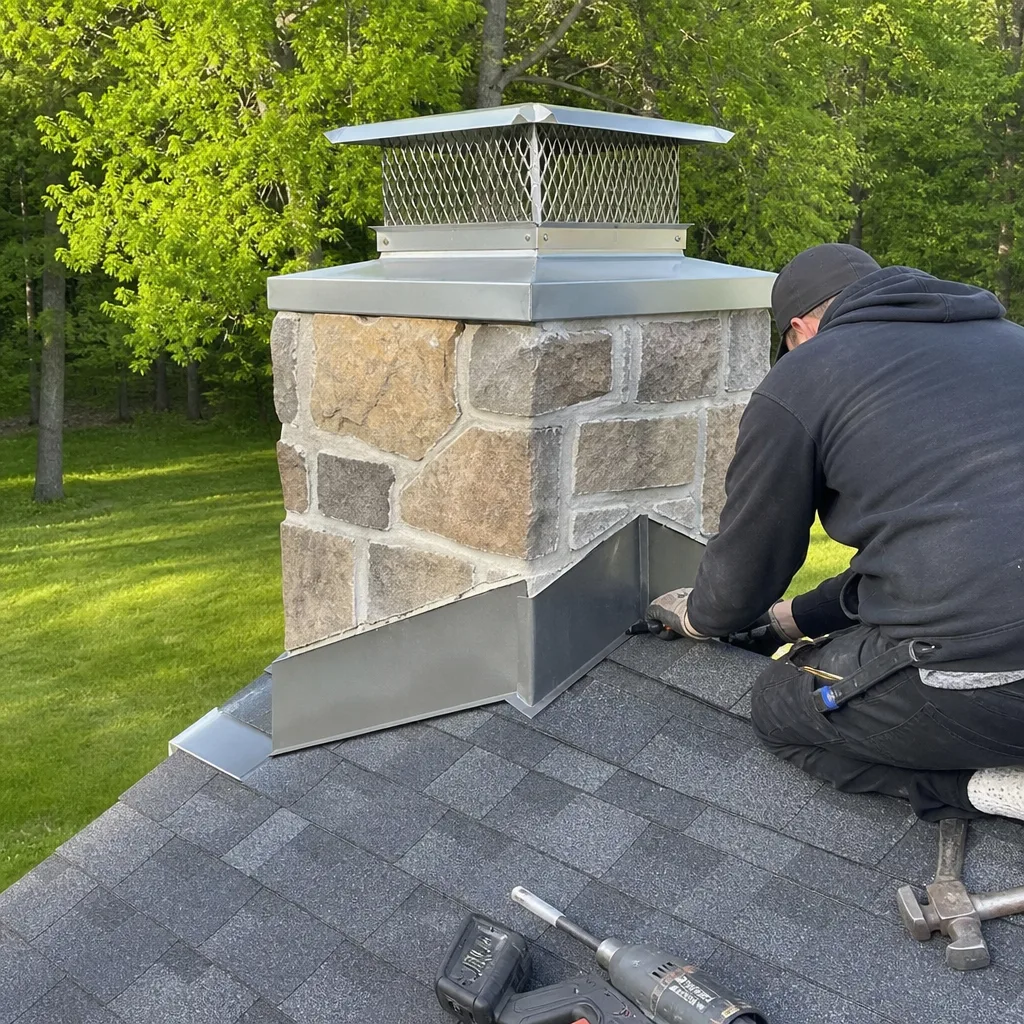
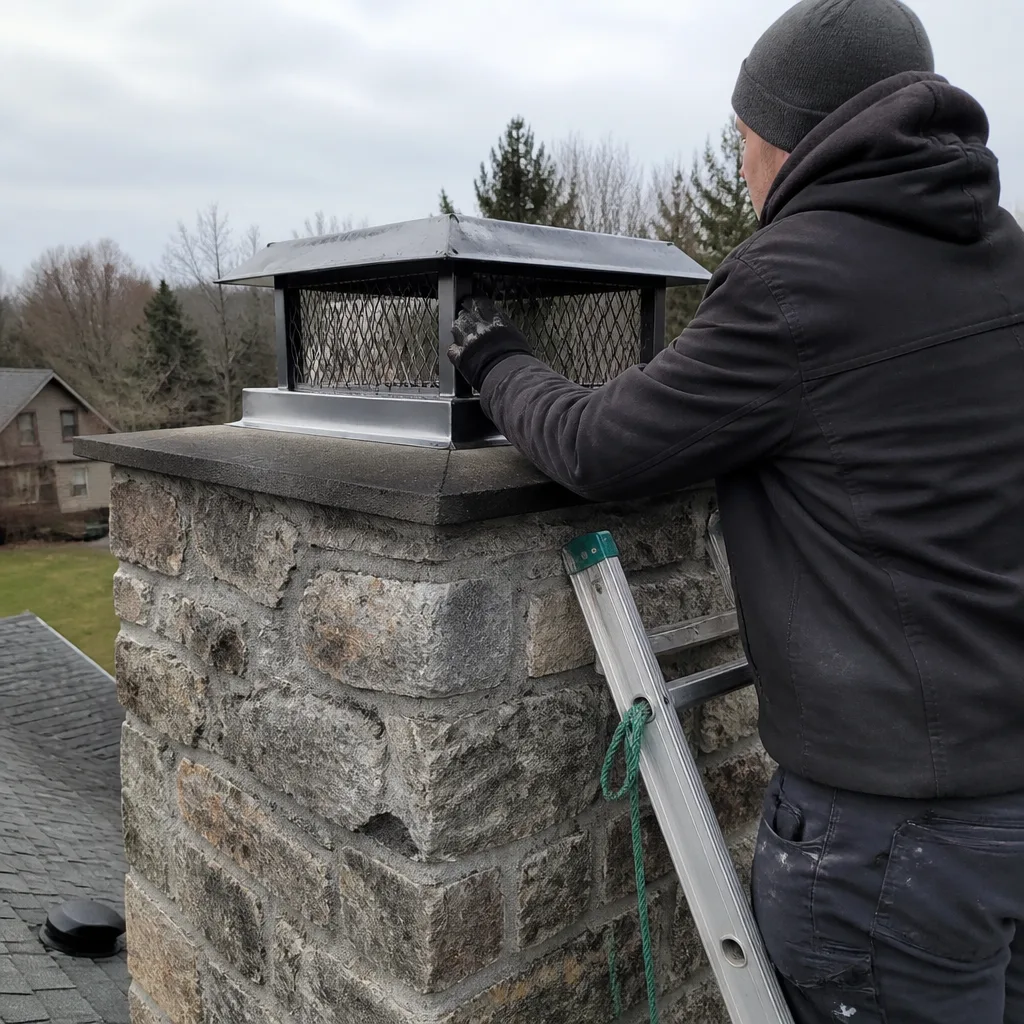
Level 1 sweep and inspection to the NFPA 211 annual standard - flue, crown, cap, and flashing checked and photographed
Chimney sweep logs do not sweep chimneys. They loosen some creosote - which then falls where a brush and vacuum still have to collect it.
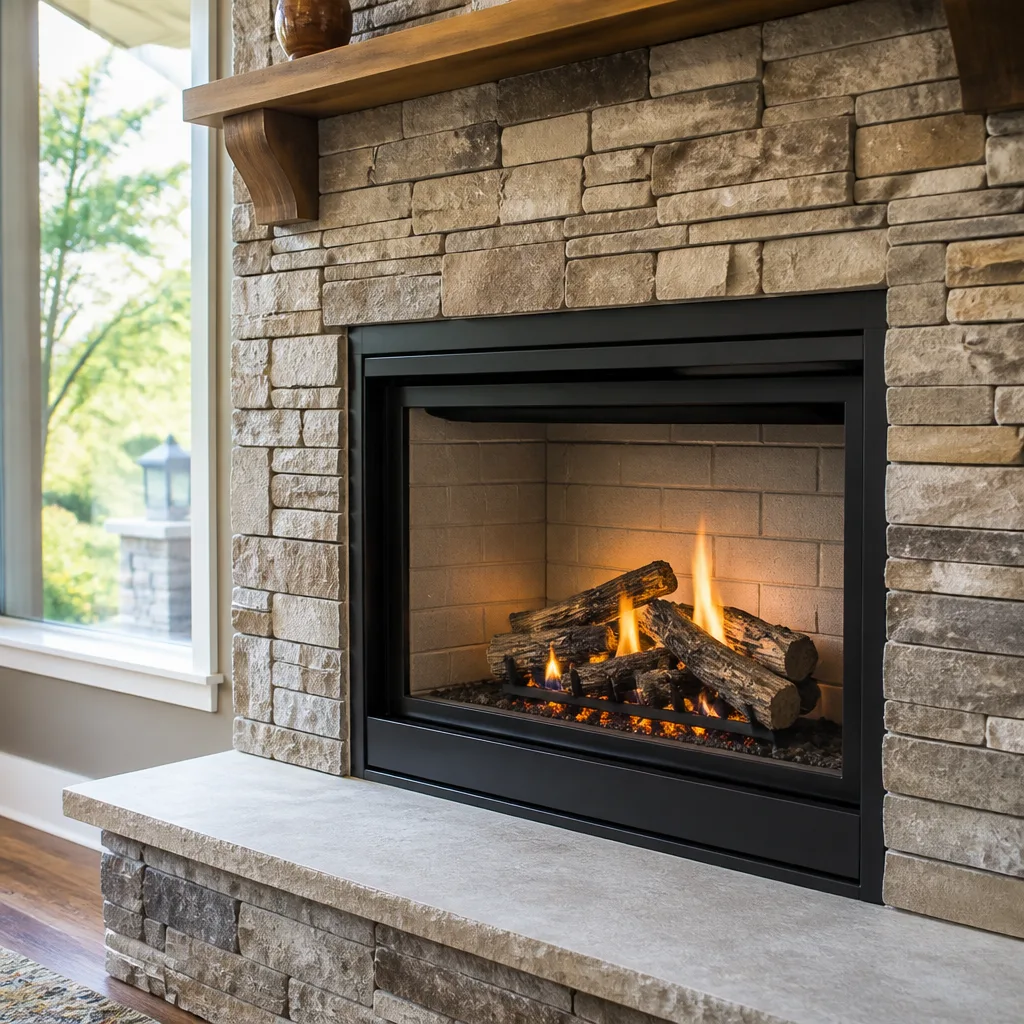
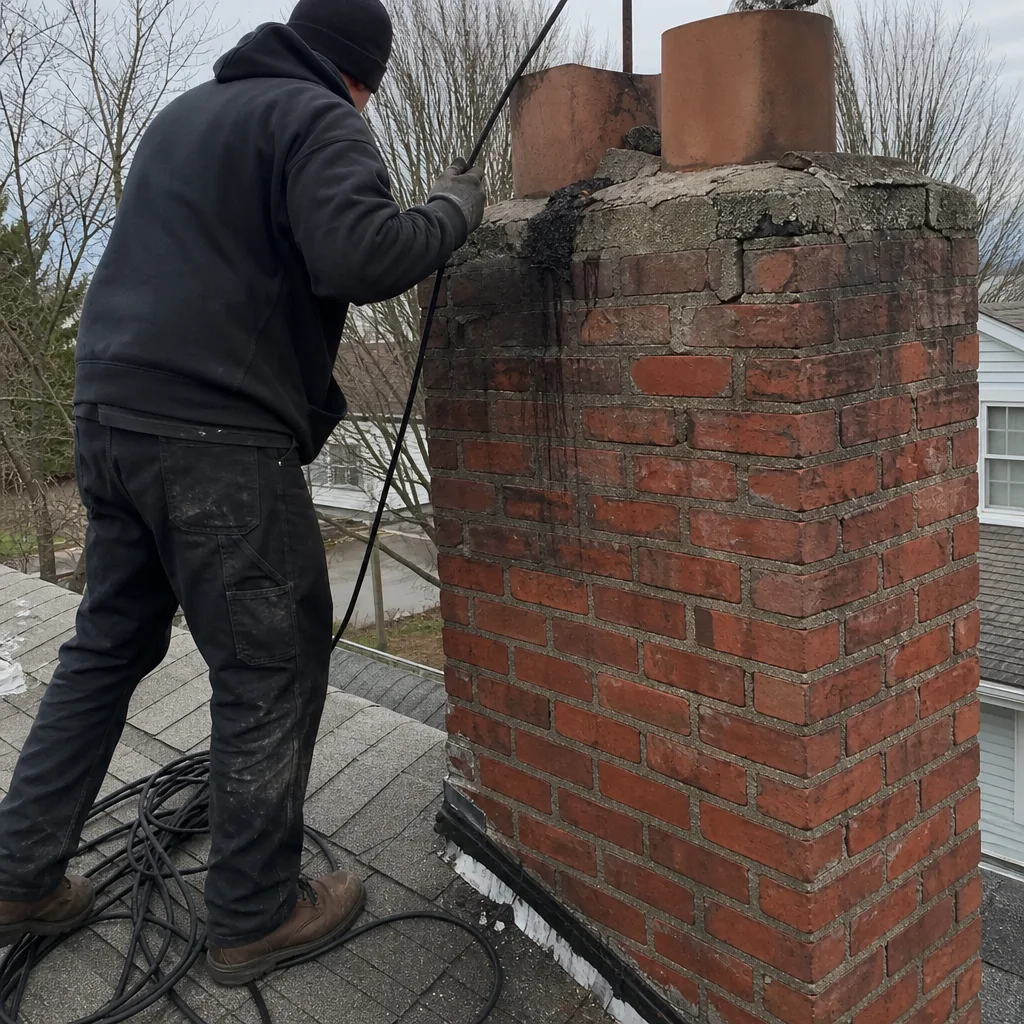 Before
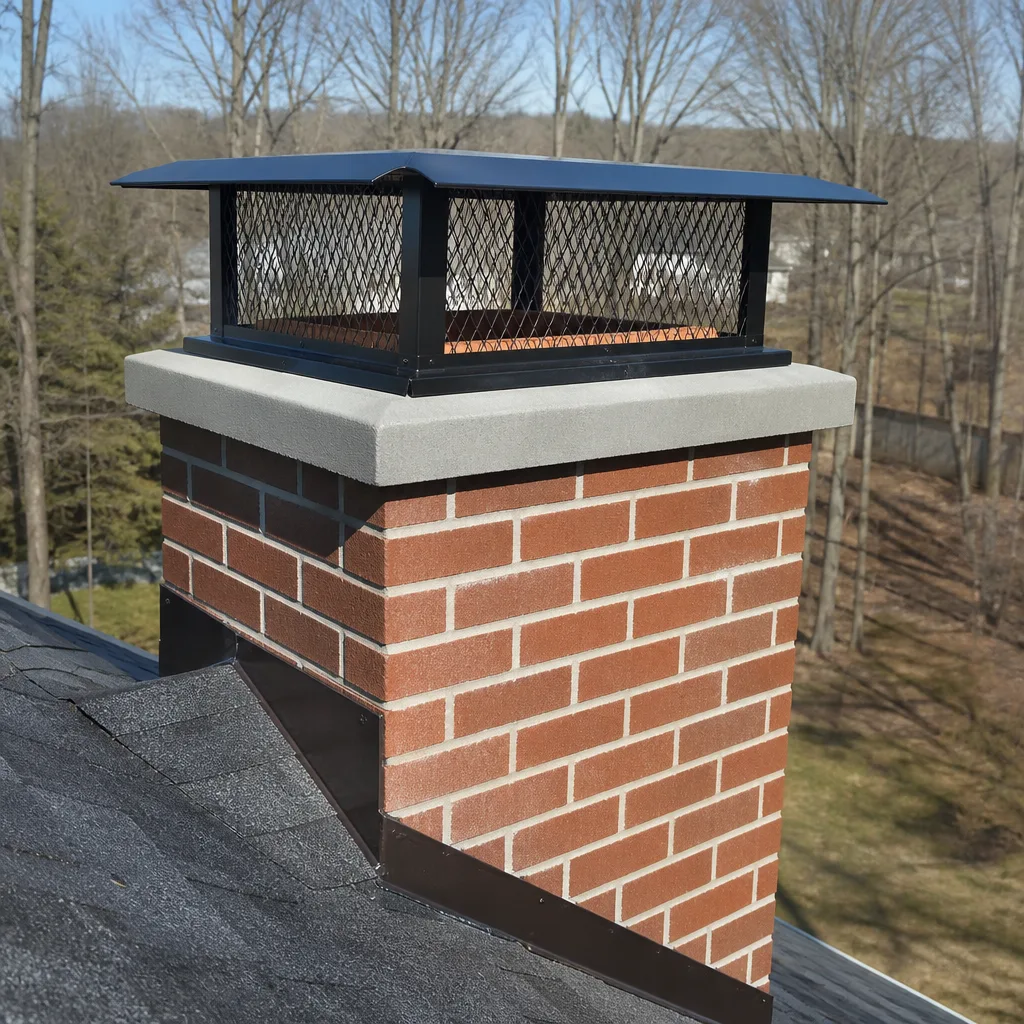 After
After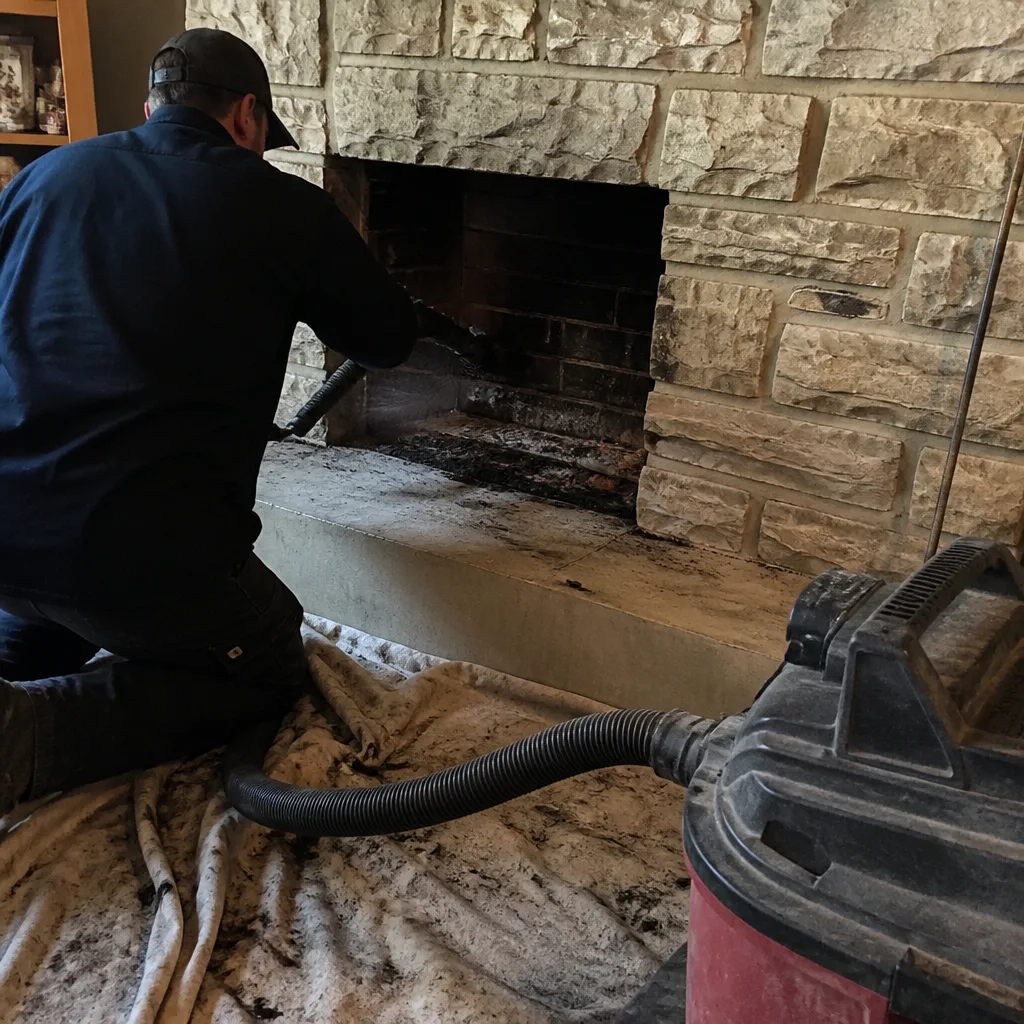 Before
 After
After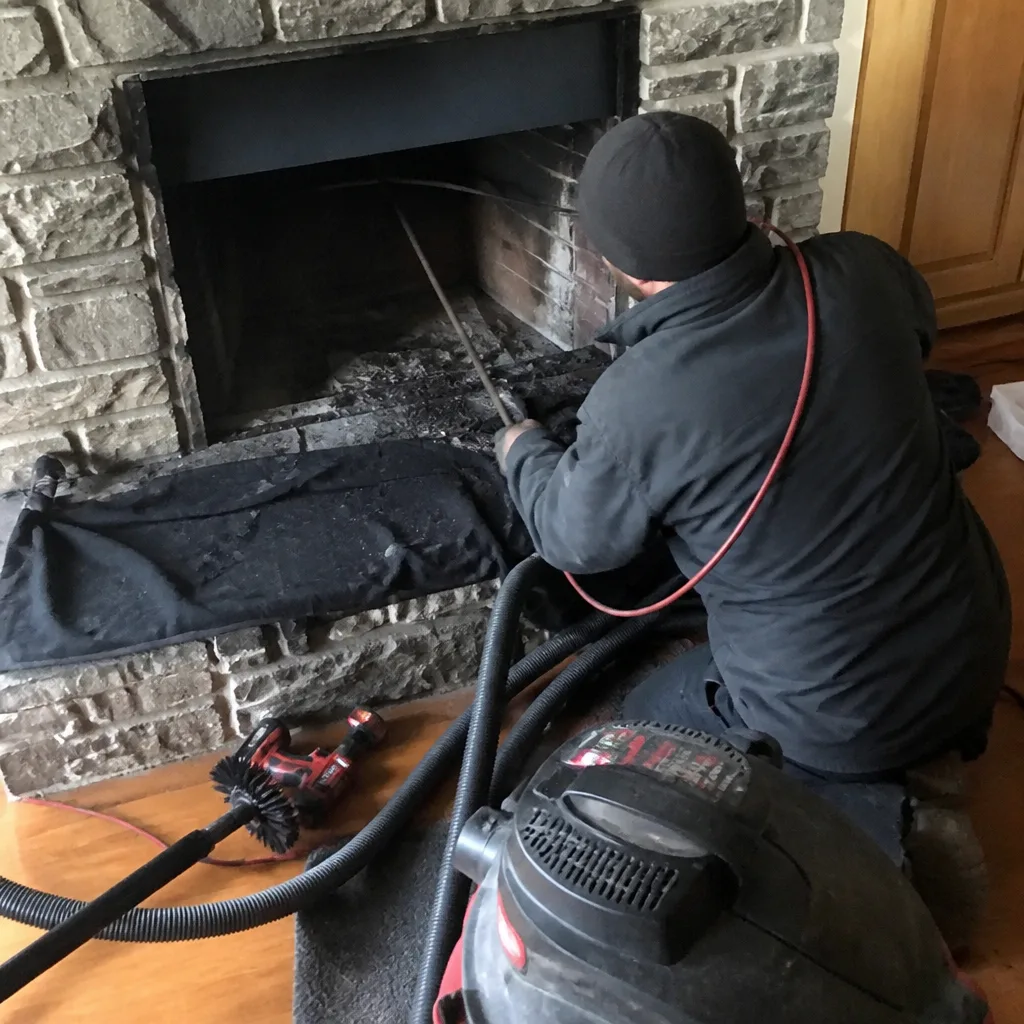 Before
 After
AfterCreosote Removal in Milford, PA
Creosote removal in Milford, PA typically runs between $150 and $450 depending on how much buildup is present and which stage of creosote you’re dealing with. Most homes in Pike County that burn wood regularly need at least a basic Chimney Cleaning & Sweep each season – and some need a more involved chemical treatment before a brush can even touch the flue wall safely. At Hearthstone Chimney Co., we’ve been handling this specific problem since 1984, and Russell Haines and the crew know exactly what Pike County chimneys look like after a long Pocono winter.
If you’ve been burning in your Milford fireplace or wood stove for more than a season or two without a professional sweep, there’s a real chance creosote has started to accumulate beyond what a standard brush pass can address. Call us at (610) 991-8179 – a live person picks up every call, day or night – and we’ll talk through what you’re seeing before we ever set a truck in motion. Our Chimney Cleaning & Sweep in Milford service covers the full spectrum, and creosote removal is often the part that matters most.
This page explains what creosote actually is, how we remove it, what it costs in this market, and what to watch for so you can catch a buildup problem before it turns into a chimney fire.
What Creosote Is and Why Milford Homes Are Prone to It
Creosote is the byproduct of incomplete combustion – tar-like compounds that rise with smoke, cool against the flue wall, and stick. Every wood fire produces some. The question is always how much, and in what form.
Most sweep textbooks describe three degrees of creosote, and the distinction matters because each stage requires a different approach:
- First-degree creosote is light, flaky, and sooty. A standard chimney brush removes it in one pass. It’s what you get when wood is dry and the flue drafts well.
- Second-degree creosote is darker, more concentrated, and has a tar-like consistency that clings to the liner. A rotary cleaning system with stronger mechanical action is usually needed.
- Third-degree creosote – sometimes called glazed creosote – is hardened, shiny, and fuel-dense. A brush alone cannot remove it safely. Chemical treatments are applied first to break down the coating before any mechanical work begins. This is the stage that causes chimney fires.
Milford and the surrounding Pike County area tend to see more second- and third-degree buildup than many parts of Pennsylvania, and here’s why: the winters are long, the houses are older, and a lot of homeowners heat primarily with wood. When you burn through a Pike County winter – November through March or later up near Dingmans Ferry and Bushkill – the flue runs hard, and it runs cold on startup. Cold flue walls mean more condensation, more tar adhesion, and faster buildup. Add in the reality that many local homes have masonry chimneys from the 1960s and 70s with older clay tile liners that run slightly oversized for today’s inserts and stoves, and you’ve got a combination that accelerates accumulation.
We see this pattern regularly in the historic districts closer to the Milford borough center, and in the lake-community homes on and around Lake Wallenpaupack where seasonal use means fires are burned hard from a cold start every weekend. Inconsistent burning habits accelerate the problem faster than almost anything else.
When You Need Creosote Removal
Not every situation announces itself the same way. These are the signals that tell us – and should tell you – that creosote removal is overdue:
- A strong, acrid or tar-like smell coming from the firebox or the room around the fireplace. This is often most noticeable on humid summer days when the flue isn’t in use. In Milford’s hot, humid July and August, a chimney that smells like a campfire or an old garage is almost always carrying a meaningful creosote load.
- A black, oily residue on the damper plate or firebox walls. If you open the damper and the plate is coated in a shiny, dark film, that’s creosote condensate dripping back down. It’s a reliable sign that second-degree buildup is present higher in the flue.
- Reduced draft or smoke backing into the room. A flue narrowed by buildup doesn’t move air the way it should. If your fireplace smokes more than it used to and you haven’t changed your wood or your burning habits, the flue is the first place to look.
- More than one full burning season since your last professional sweep. The National Fire Protection Association recommends annual inspections for any chimney in regular use. Most Milford homeowners who burn wood through the winter should have the flue swept and inspected every fall.
- Any popping, crackling, or rumbling sounds from the chimney during a fire. This is a serious warning. These sounds can indicate a chimney fire in progress – creosote igniting inside the flue. If this happens, let the fire die, keep the damper closed once the fire is out, and call us before using the fireplace again.
- You’ve had the fireplace or insert serviced but not the full flue system. We run into this more than you’d think – a homeowner had a technician clean the firebox or service the insert but the liner itself was never addressed. The buildup doesn’t start in the firebox; it accumulates in the liner above it.
Our Creosote Removal Process
What we do in your home is a direct reflection of what we’ve done for over four decades. The steps below reflect how Russell Haines built the standard at Hearthstone, and they don’t change based on the size of the job or the time pressure of the day.
- Protect the home before anything else. Before a single tool goes into the firebox, we lay drop cloths, seal the firebox opening with a tight-fitting dust barrier, and connect our HEPA-filtered vacuum system. Milford homes – especially the older ones in the borough and the Victorian-era properties near the square – have area rugs, hardwood floors, and fine furniture that we’re not going to coat in soot. The job should leave your living room looking the way it did when we arrived.
- Level-2 camera inspection of the full flue system. We run a camera up the liner before we clean. This tells us exactly what we’re dealing with – the degree of buildup, the condition of the liner, and whether there are any cracks, gaps, or obstructions that could affect the cleaning approach. You see the same images we see, and at the end of the inspection you get a plain-English verdict: here’s what’s in your flue, here’s what it means, and here’s what we recommend. No guessing, no vague reports.
- Chemical pre-treatment for second- and third-degree creosote. When the inspection shows glazed or hardened buildup, we apply a professional-grade chemical treatment to the flue walls before any mechanical work begins. This breaks down the creosote’s structure, makes it brittle, and allows it to be removed without damaging the liner. Skipping this step on a third-degree buildup and going straight to mechanical cleaning is how liners get scored and cracked – we don’t do it.
- Mechanical cleaning with rotary or standard brush systems. Once the pre-treatment has had time to work, we clean the flue from the top down using the appropriate brush diameter for your liner. Our equipment handles round and square liners, clay tile, and stainless steel. For severe buildup, rotary systems apply more consistent mechanical force than a hand-operated rod brush, and we use them when the job calls for it.
- Post-clean camera verification. We run the camera again after cleaning. If the liner isn’t clean, we go back to work. The 90-Day Done Right Promise isn’t a slogan – it means if the job isn’t done right, we come back and make it right, in writing, no arguing. But we’d rather get it right on the first visit, which is why we verify before we pack up.
- Final report and plain-English explanation. We walk you through what we found, what we did, and what – if anything – needs follow-up. If the liner shows damage, if the crown has cracking, or if the cap is failing, we’ll show you the photos and explain what it means in plain terms. You leave the conversation informed, not sold to.
Creosote Removal Pricing in Milford
Creosote removal in Milford, PA costs more or less depending on three things: how much is there, what stage it’s at, and how accessible the flue system is. Here’s an honest look at what most homeowners pay:
| Service | Typical Range |
|---|---|
| Standard sweep with first-degree creosote removal | $150 – $225 |
| Rotary cleaning for second-degree buildup | $225 – $325 |
| Chemical pre-treatment plus mechanical cleaning (third-degree) | $325 – $450 |
| Level-2 camera inspection (included with cleaning or standalone) | $100 – $175 standalone |
| HeatShield liner repair if buildup has caused damage | Quoted separately after inspection |
A few things affect where your job falls in these ranges. Taller chimneys – and a lot of the older two-and-a-half story homes in Milford borough have significant stack height – take longer to clean thoroughly. Flues that haven’t been serviced in five or more years often have third-degree buildup in sections even when the lower flue looks relatively clear. And if the liner is damaged, the cleaning itself may surface that problem; any liner repair needed would be quoted separately and clearly before we proceed. For suspected hidden damage, we also offer a Level 2 Inspection.
We offer upfront pricing before work begins. The number on the estimate is the number on the invoice. No-hassle, no surprises. We also carry a permanent 5% Senior and Veteran discount, and if you’ve received a written estimate from another company, our Free Second Opinion is available at no cost.
Call (610) 991-8179 for a free estimate. We’ll give you a straight answer on what it’s likely to cost before we ever schedule the truck.
FAQs – Creosote Removal
How dangerous is creosote buildup, and when does it become an emergency?
Third-degree creosote is genuinely dangerous – it can ignite at temperatures a normal wood fire can reach, and a chimney fire burns at over 2,000 degrees Fahrenheit, which is hot enough to crack clay tile liners, damage mortar joints, and spread heat to combustible framing around the flue. A quarter-inch of glazed creosote is generally considered the threshold where NFPA standards call for cleaning before further use. If you’ve heard any rumbling, roaring, or popping from your chimney during a fire, treat it as an emergency. Stop using the fireplace, keep the damper closed, and call us at (610) 991-8179 before the next fire. A live person answers every call.
Can I remove creosote myself with a chimney brush?
First-degree creosote – the light, flaky kind – can be reduced with a consumer brush kit, but it’s rarely completely removed without professional-grade equipment, and it gives you no information about the liner condition below. Second- and third-degree creosote should not be attempted as a DIY job. Glazed creosote requires chemical pre-treatment before mechanical work; trying to force a brush through a hardened coating can fracture clay tile liners and create gaps that allow combustion gases – including carbon monoxide – to enter the home. The risk isn’t theoretical; it’s the kind of thing we see after a homeowner has tried to cut corners. A professional sweep also includes a camera inspection as part of our Fireplace Cleaning service, which catches liner damage before it becomes a safety issue. The cost of doing it yourself improperly is almost always more than the cost of doing it right the first time.
How often should I have my Milford chimney swept for creosote?
For any chimney in regular use – meaning fires burned at least weekly during the heating season – annual sweeping is the right standard. Milford’s climate means most wood-burning homeowners are running fires from October through April, sometimes longer at elevation. If you burn green or wet wood, if you burn slow overnight fires to hold heat, or if you’re using an older masonry fireplace rather than a newer high-efficiency insert, you may accumulate significant buildup in a single season. We typically recommend a Level 1 Inspection each fall, before you start burning, so any issues get addressed before they matter. Our $89 Seasonal Tune-Up is a practical way to stay ahead of it.
What’s the difference between a chimney sweep and creosote removal – aren’t they the same thing?
A chimney sweep addresses creosote as part of a broader cleaning, but they’re not always the same scope of work. A standard sweep handles first-degree buildup and general debris removal – bird nests, leaves, loose mortar – and is appropriate for a chimney in reasonable condition. Creosote removal, specifically, refers to the targeted treatment of significant creosote deposits, including chemical pre-treatment and rotary cleaning for harder stages. When you call and describe your situation, we’ll tell you plainly which service applies. See our full Chimney Cleaning & Sweep in Milford page for more on how these services fit together, or call (610) 991-8179 and we’ll walk you through it before you commit to anything.
Why Milford Homeowners Call Hearthstone
There are a few chimney companies that serve Pike County, and homeowners here have heard enough stories about the one-truck operators who don’t answer the phone after the job is done and the chains that send a different technician every time with no continuity between visits. We’ve been in this area since 1984 – over 42 years – and that kind of longevity in a small market like Milford doesn’t happen by accident. It happens because Russell Haines built a company that does the job correctly, documents everything, and stands behind the result in writing.
Our technicians are background-checked and uniformed. They carry professional-grade materials – where liner repair is needed, we use HeatShield and Gelco products, not builder-grade substitutes. Most jobs are completed in a single visit. And the 90-Day Done Right Promise means exactly what it says: if something isn’t right within 90 days of our work, we come back and fix it. In writing. No arguing, no paperwork, no waiting on hold with a call center.
If you want to understand how creosote removal fits into the full scope of chimney care, our home page gives you the complete picture of what we do and where we serve.
Milford’s older housing stock – the Victorians in the borough, the lake-community homes, the farmhouses out toward Matamoras and Shohola – carries decades of use in those flues. We know these chimneys. We’ve cleaned them, repaired them, and in some cases relined them from scratch. That local experience is the kind of thing that doesn’t show up on a price sheet but shows up in the result.
Key Takeaways
- Creosote removal in Milford typically costs $150 to $450 depending on the stage of buildup and the scope of the job.
- Three stages of creosote require three different approaches – brush alone is not always sufficient, and using one on glazed creosote can damage your liner.
- Milford’s cold winters, older chimneys, and heavy wood-burning habits make the area prone to second- and third-degree accumulation.
- A camera inspection before and after cleaning is the only way to know the job was done completely – we include it as standard.
- The 90-Day Done Right Promise is in writing, with no arguing – if the job isn’t right, we come back and fix it.
- Annual sweeping each fall is the right maintenance standard for any chimney in regular use in this climate.
- A live person answers every call at (610) 991-8179, day or night.
Schedule Your Creosote Removal in Milford
If your chimney hasn’t been swept this season – or if you’re seeing any of the warning signs described above – the straightforward move is to call and get a free estimate. There’s no pressure attached to it. You’ll speak with a live person, describe what you’re seeing, and get a plain answer about what it’s likely to cost and what’s likely involved. That’s how we’ve done it for over 42 years, and it’s how we’ll do it when you call today.
Reach Hearthstone Chimney Co. at (610) 991-8179. We serve Milford, the surrounding Pike County area, and communities throughout northeastern Pennsylvania. Estimates are free. The 90-Day Done Right Promise is in writing. And the job gets done right the first time.
Written by Russell Haines, Owner at Hearthstone Chimney Co., serving Milford since 1984.