
Last updated September 10, 2026
Level 1 sweep and inspection to the NFPA 211 annual standard - flue, crown, cap, and flashing checked and photographed
Chimney sweep logs do not sweep chimneys. They loosen some creosote - which then falls where a brush and vacuum still have to collect it.

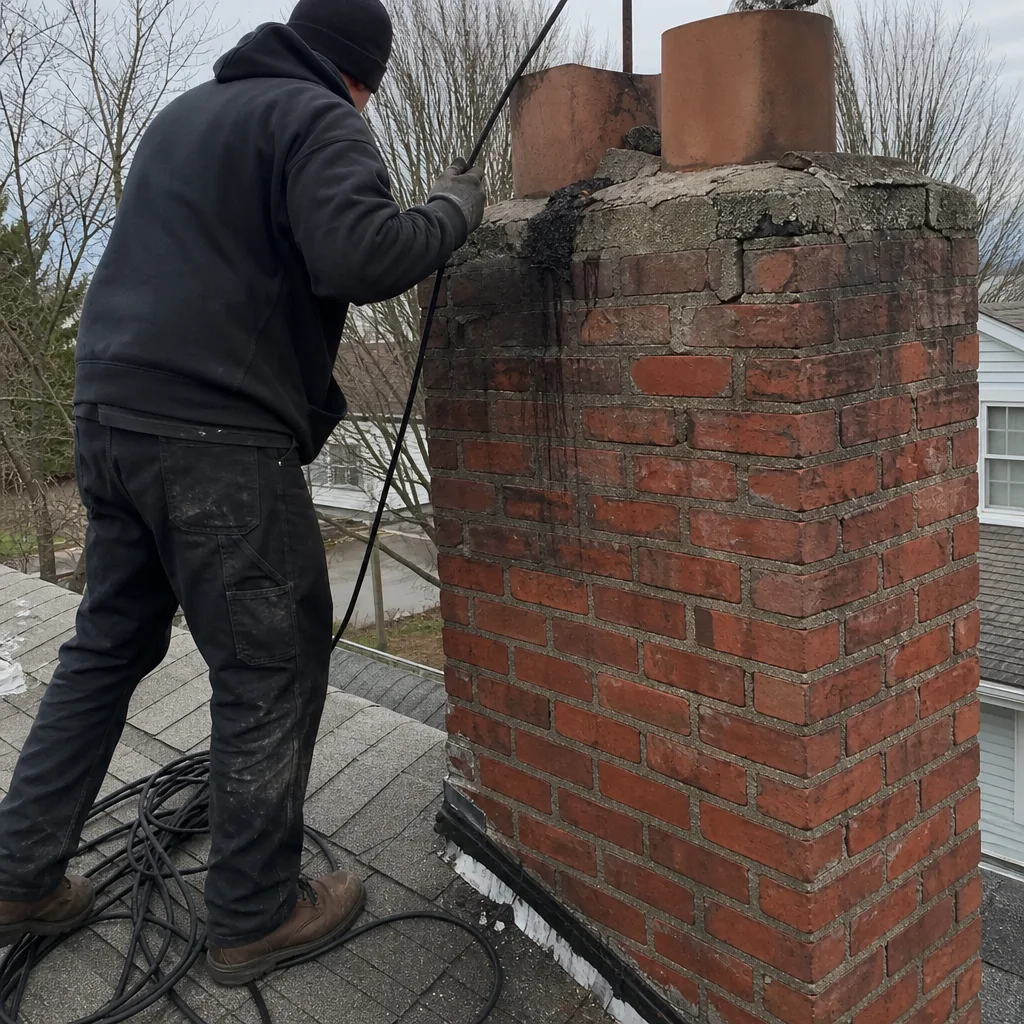 Before
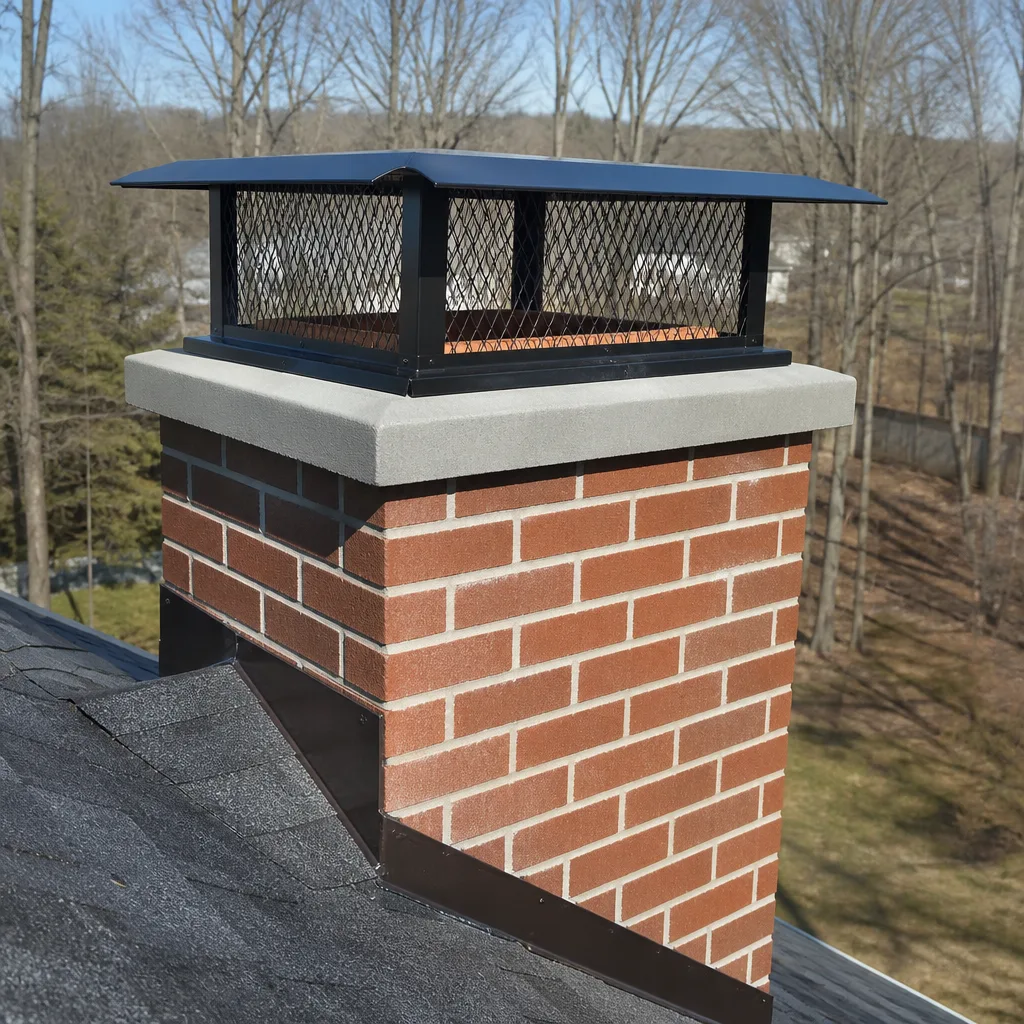 After
After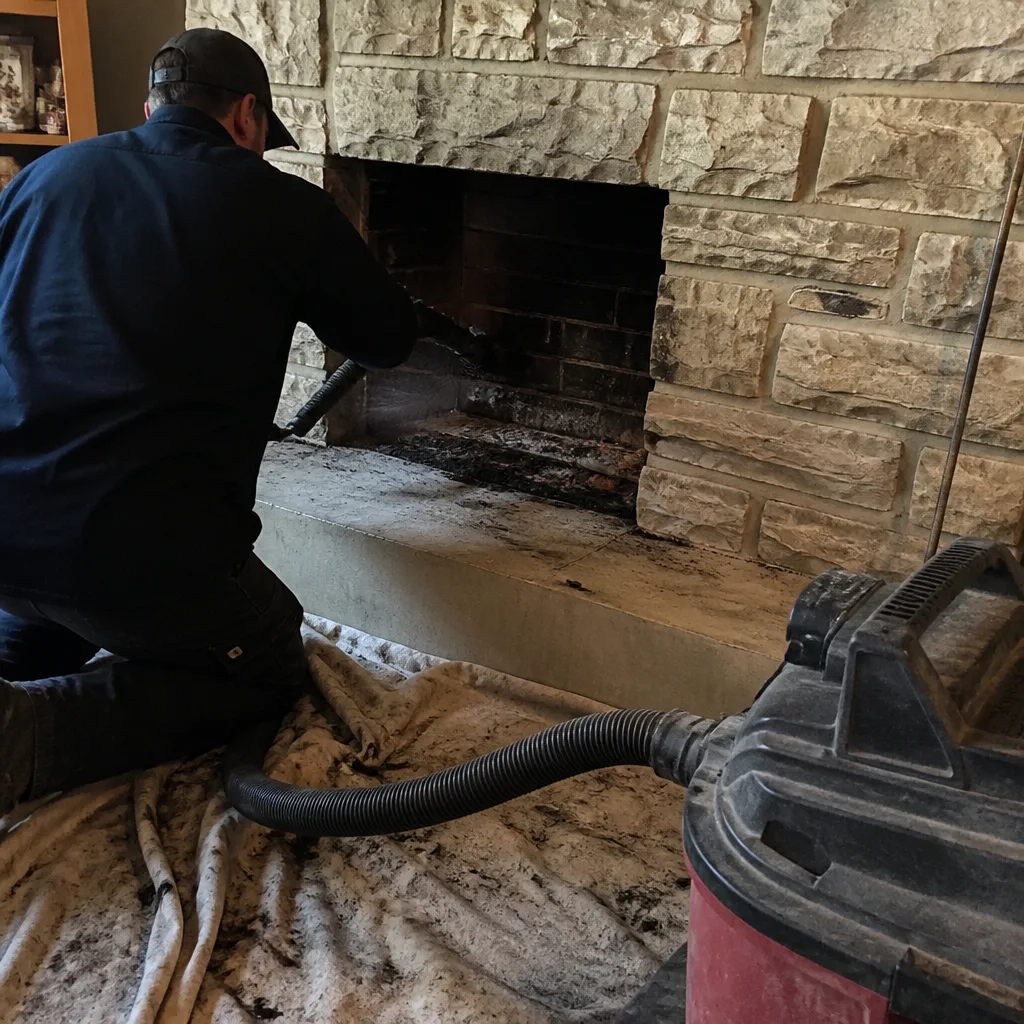 Before
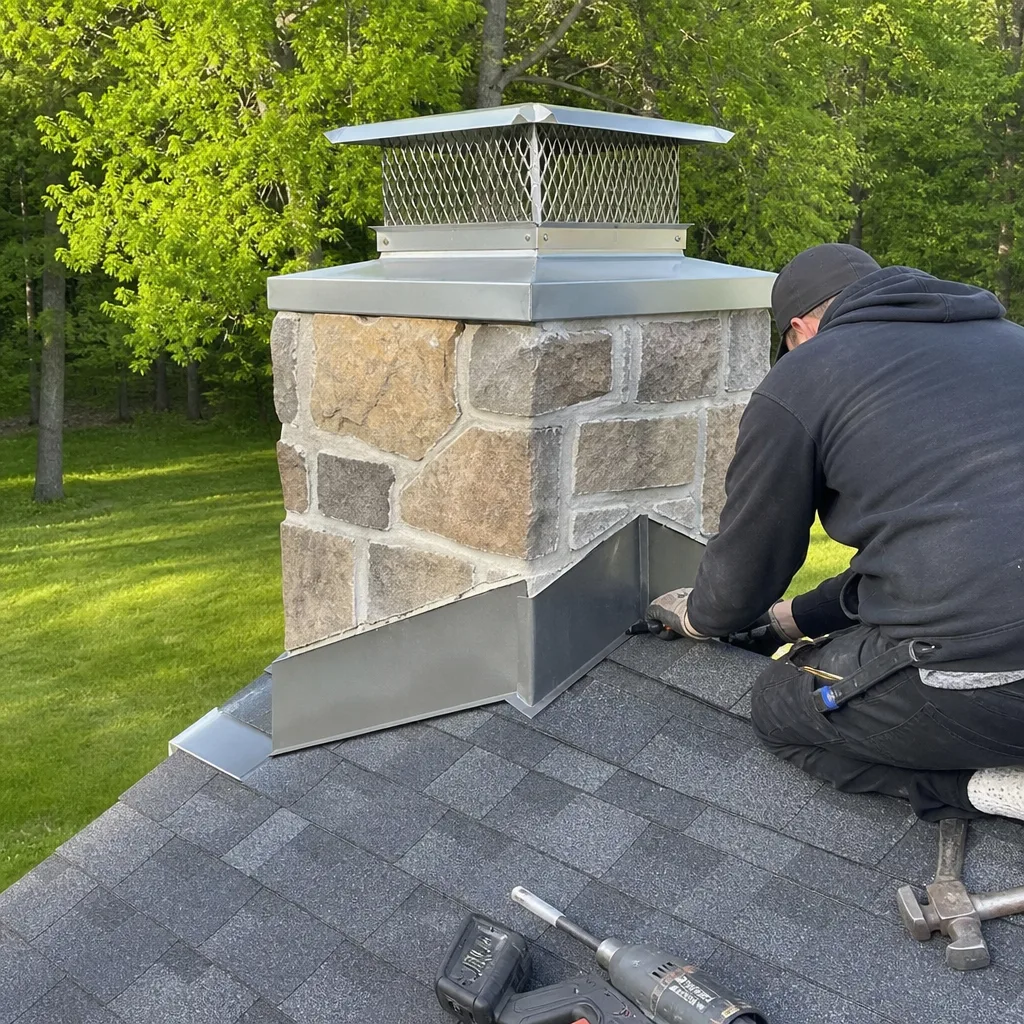 After
After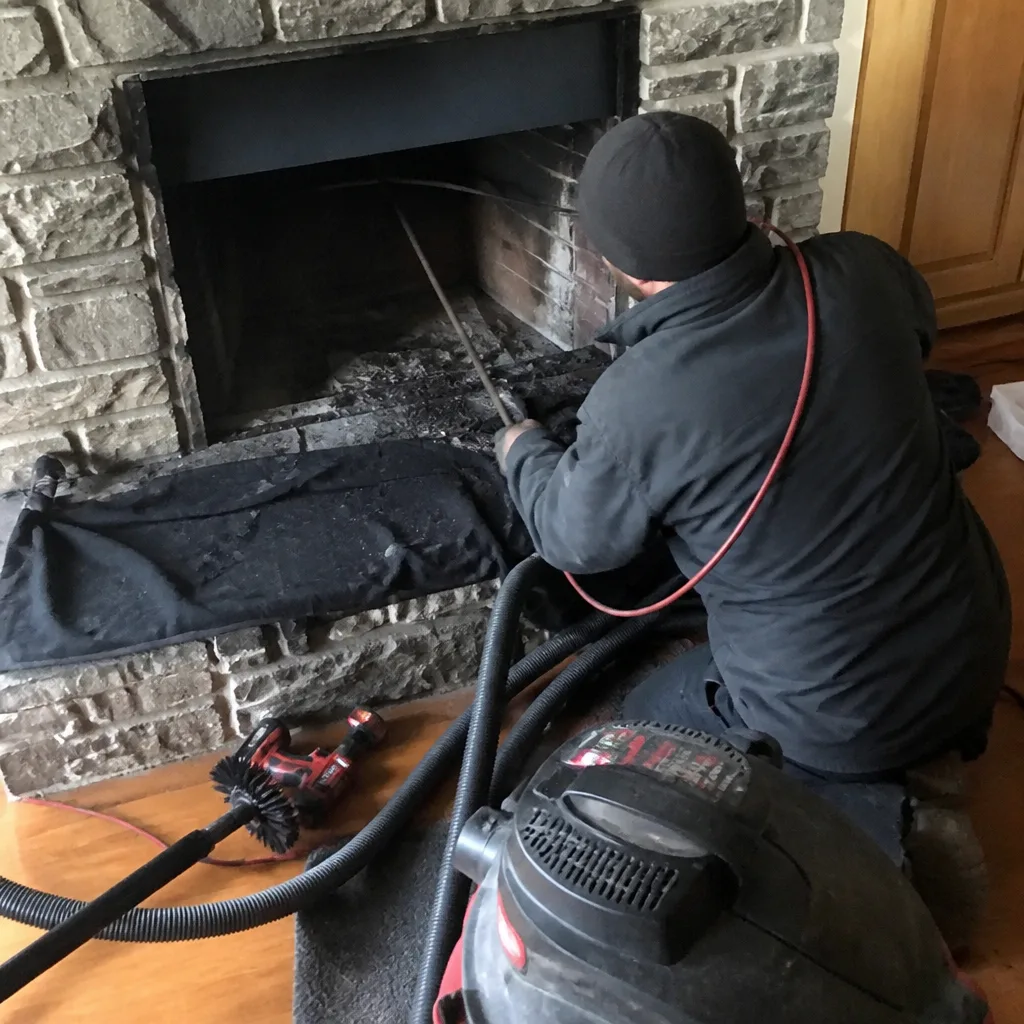 Before
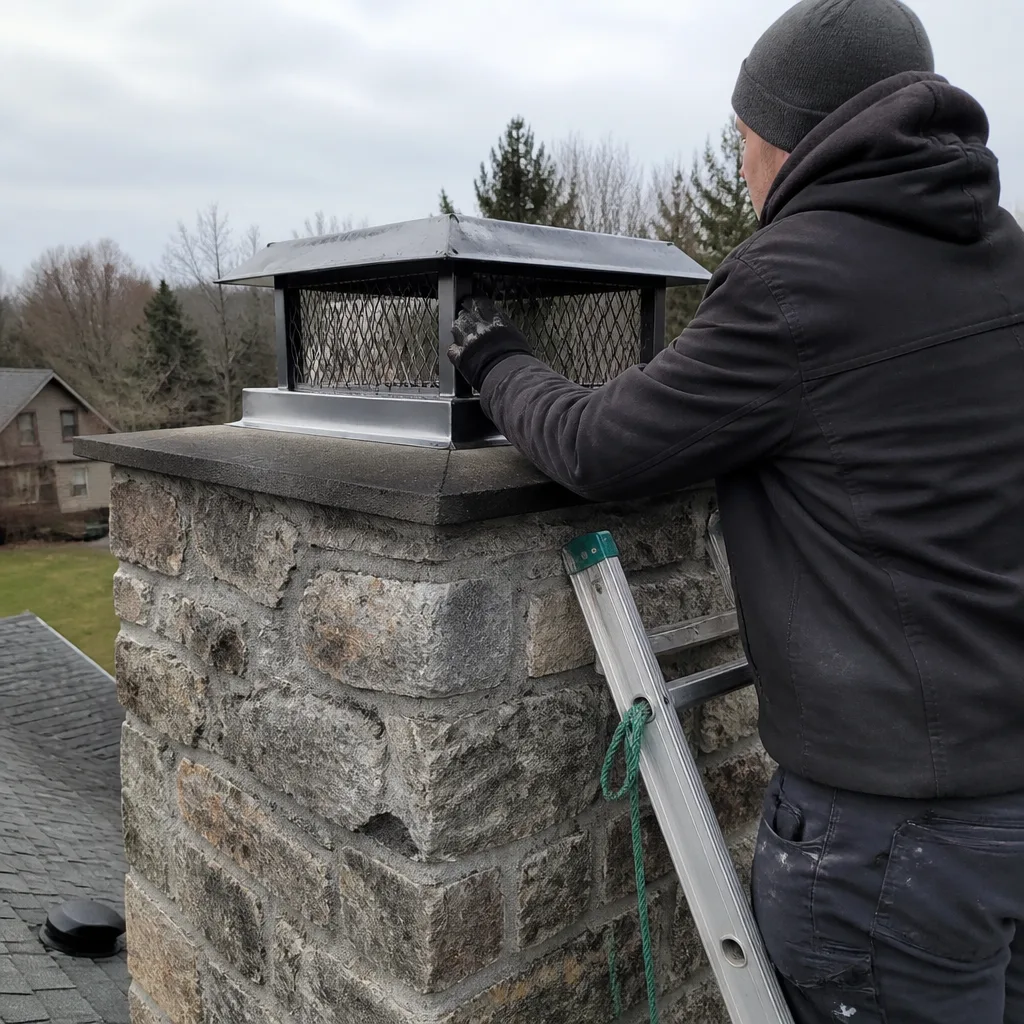 After
AfterSeasonal Chimney Cleaning Care for Milford: Year-Round Homeowner’s Guide
The chimney damage that causes the most expensive repairs every spring in Milford was almost always set in motion the previous July, when nobody was thinking about their fireplace at all. We’ve been sweeping chimneys here for over 42 years, and the pattern never changes: the homeowners who treat chimney care as a year-round discipline spend far less over the life of their home than those who treat it as an October errand. In this guide and our more guides & resources, you’ll learn how Milford’s four-season climate creates four distinct threat windows, and exactly what to do in each one to stay ahead of the problem.
Quick Answer
Chimney cleaning and maintenance in Milford, PA should follow a year-round schedule: summer for off-season inspection and moisture damage assessment, early fall for pre-burning-season sweeping and camera inspection, winter for mid-season monitoring of performance warning signs, and spring for post-season assessment of freeze-thaw damage to crowns, caps, and mortar. A single annual cleaning timed before the first fire is the minimum; homeowners who burn more than three cords of wood per season or rely on their fireplace as primary heat need mid-season attention as well. See our Chimney Cleaning & Sweep Maintenance Checklist for Milford Homeowners for a printable timeline.
Table of Contents
- Summer: The Hidden Damage Season
- Fall: The Critical Preparation Window
- Winter: Mid-Season Warning Signs
- Spring: Post-Season Damage Assessment
- Timing Your Cleaning Around Milford’s Shoulder Seasons
- What a Level-2 Camera Inspection Reveals
- Common Mistakes to Avoid
- When to Call a Professional
- Frequently Asked Questions
Summer: The Hidden Damage Season
July in Milford brings humidity that averages 70% and often spikes higher during prolonged heat waves. Your chimney, which was designed to draw air upward, sits dormant for months. That combination, humidity plus stagnant air, creates conditions we see cause serious damage every autumn.
Here’s what happens inside a silent chimney all summer:
- Liner condensation: Without regular firing, the flue temperature stays close to ambient. Warm, humid outside air contacts the cooler interior surfaces and condenses. Stainless steel liners sweat. Clay flue tiles absorb moisture. We’ve pulled cameras through Milford chimneys in September and found rust streaks on metal liners that were clean in May, or hairline cracks in clay tiles that have widened with freeze-thaw cycling.
- Accelerated mortar deterioration: Water that enters through a cracked crown or deteriorated flashing has all summer to work on the mortar joints. In Milford’s older homes, especially in the historic district near Harford Street, we’ve seen original lime mortar reduced to sand by September after a wet July and August.
- Mold and organic growth: A damp, dark flue with no airflow is an ideal environment. The first fire of the season often releases musty odors that homeowners mistake for “just needing a cleaning.” Sometimes it is. Sometimes it’s mold that has colonized the smoke shelf and requires more than a brush.
Summer is also when animals nest. Squirrels, raccoons, and chimney swifts find uncapped flues irresistible. A nest built in June becomes a fire hazard and a carbon monoxide blockage by November. We inspect Milford chimneys every August and find active nests in roughly one of every eight.
What to do: Schedule an off-season inspection in July or August. This is not a full sweeping, it’s a condition check. We look for moisture intrusion, animal activity, and deterioration that progressed during the burning season but wasn’t visible under creosote buildup. The flue is dry, access is easy, and if we find a problem, there’s no urgency competing with cold weather. Our Chimney Cleaning & Sweep in Milford page details what this inspection includes.
Cost-wise, a summer inspection runs $89 to $150 in the Milford market, depending on accessibility and whether camera work is needed. For full pricing context, see our Chimney Cleaning Cost Breakdown: The Milford Homeowner’s Reference for 2026. Finding a cracked crown in July and sealing it with HeatShield or a copper cap from Copperfield costs a fraction of what water damage repair runs after three seasons of neglect.
Fall: The Critical Preparation Window
September 15 to October 15 is the most valuable four weeks on the chimney calendar in Milford. The weather has cooled enough that demand hasn’t peaked, but it’s warm enough that a discovered problem won’t leave you without heat while waiting for repairs.
Here’s why this window matters so much:
- Availability: After October 15, every reputable sweep in Pike County books two to three weeks out. The first cold snap triggers a flood of calls from homeowners who “just turned on the fireplace and something doesn’t seem right.” By November, you’re choosing between waiting in the cold or hiring whoever can show up fastest.
- Complete drying: Summer moisture has had time to evaporate. Creosote deposits are dry and brittle, which means the sweeping is more thorough and less mess. Wet, gummy creosote from a spring or early-fall burn doesn’t brush clean as easily.
- Pre-burn baseline: A Level-2 camera inspection before the first fire establishes exactly what your flue looks like clean. If you burn regularly through winter, any mid-season concern can be compared to this baseline. Without it, you’re guessing whether a new stain or crack is old or new.
What happens during a proper fall preparation visit:
- Full NFPA-211 compliant sweeping of the flue, smoke chamber, and firebox
- Level-2 internal camera inspection with photos you receive
- Exterior assessment of crown, cap, flashing, and brick condition
- Damper and smoke shelf evaluation
- Plain-English verdict on what’s fine, what needs monitoring, and what needs repair before burning
In our experience across Milford, from the newer construction near Route 6 to the stone homes in the borough’s older sections, roughly 40% of chimneys that pass a casual visual inspection show actionable findings under camera. Cracked flue tiles, deteriorated mortar joints, and improper clearances to combustibles are the most common. These aren’t always emergencies, but they’re always information you want before lighting the first fire.
The $89 Seasonal Tune-Up we offer covers the inspection and basic sweeping for standard fireplaces. If repairs are needed, the $50 Off Any Repair Over $250 standing offer applies, and we provide a written estimate with photos before any work proceeds. No surprises on the bill.
Winter: Mid-Season Warning Signs
Once the burning season is underway, your chimney is telling you things every day. Most homeowners in Milford don’t know the language. Here are the specific signs that mean stop using the fireplace until a professional looks at it.
Odors that change character: A faint wood-smoke smell near the fireplace is normal. A sharp, acrid, or chemical odor is not. This often indicates creosote buildup reaching stage 3 (glazed, hardened deposits) or a blocked flue. In homes with outside air intakes, negative pressure can reverse the draft and pull combustion byproducts into living spaces. If you smell anything sharp or metallic while the fire is burning, extinguish it and call.
Smoke rollback: Smoke that spills into the room when you open the loading door, or that drifts from the fireplace when no fire is lit, signals a drafting problem. Causes include flue blockage, cold flue syndrome (especially in exterior chimneys on Milford’s north-facing slopes), or house pressure imbalances from exhaust fans. Smoke rollback is a carbon monoxide risk. Don’t adapt to it. Address it.
Visible staining patterns: Look for these specific locations:
- White or gray powder on exterior brick (efflorescence): water moving through the masonry, carrying salts to the surface. Common after freeze-thaw cycles in Milford’s January cold snaps.
- Brown or black staining above the fireplace opening: smoke escaping at the mantel joint, indicating a gap or deteriorated firestop.
- Staining on the ceiling near the chimney: flashing failure or crown crack allowing water entry. This worsens dramatically with snow melt and refreeze.
Performance changes: A fire that previously burned bright and clean but now smolders, or requires constant door adjustment to stay lit, often means the air supply is restricted. Partial blockages from creosote buildup or collapsed flue lining reduce draft and increase the risk of carbon monoxide release into the home.
We do not recommend attempting to diagnose these symptoms yourself. The combination of high temperatures, combustion gases, and structural uncertainty makes winter chimney problems genuinely dangerous to investigate without training and equipment. Our technicians carry CO meters, wear proper respirators for creosote exposure, and know how to assess a flue without creating additional damage.
One practical note: if you burn more than three cords of hardwood per season, or burn softwood like pine, schedule a mid-season inspection in January or February. Creosote accumulates faster than many homeowners realize, and a single season can produce enough buildup to create a chimney fire hazard.
Spring: Post-Season Damage Assessment
April and May in Milford bring the reveal. Ice is gone, snow melt has run its course, and the damage winter inflicted on your chimney is now visible. This is when we find the problems that were invisible under snow and that will worsen dramatically if left through another summer.
Start with the exterior inspection you can do yourself from the ground:
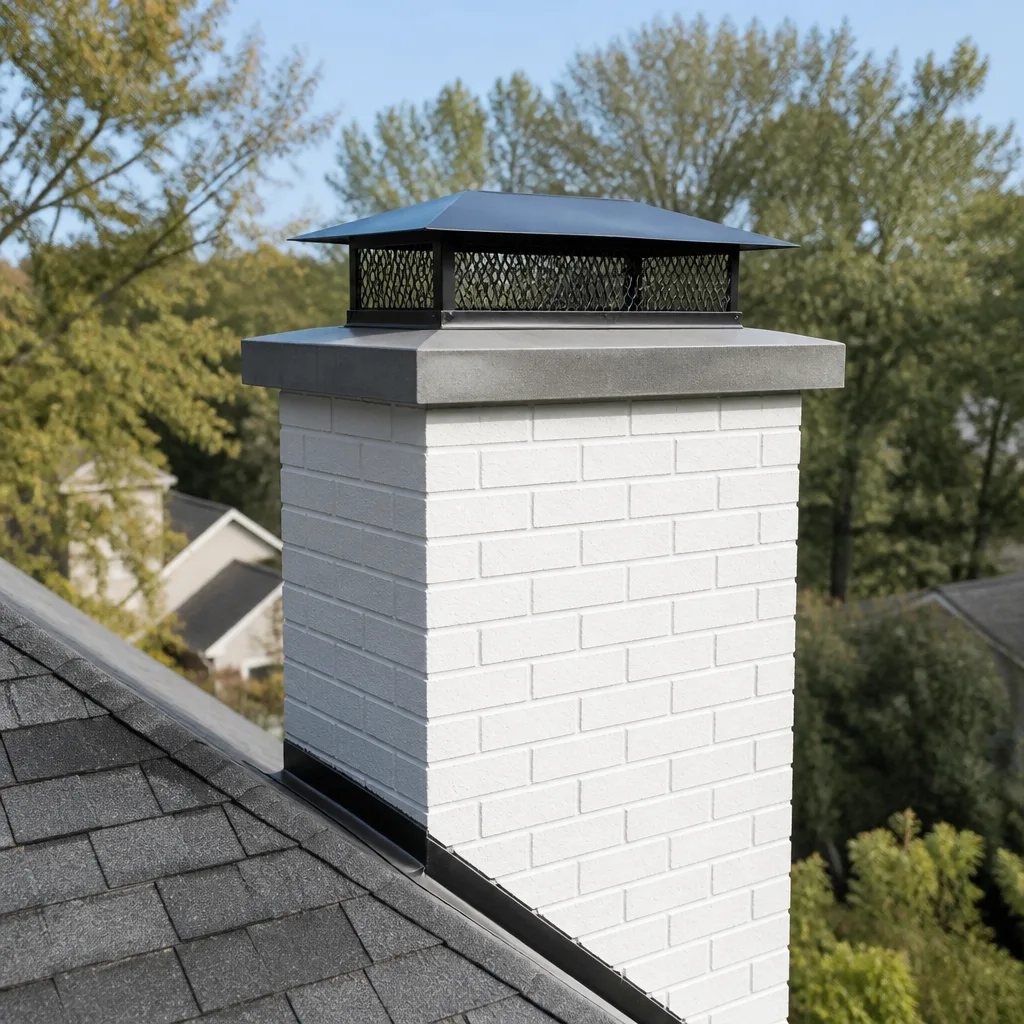
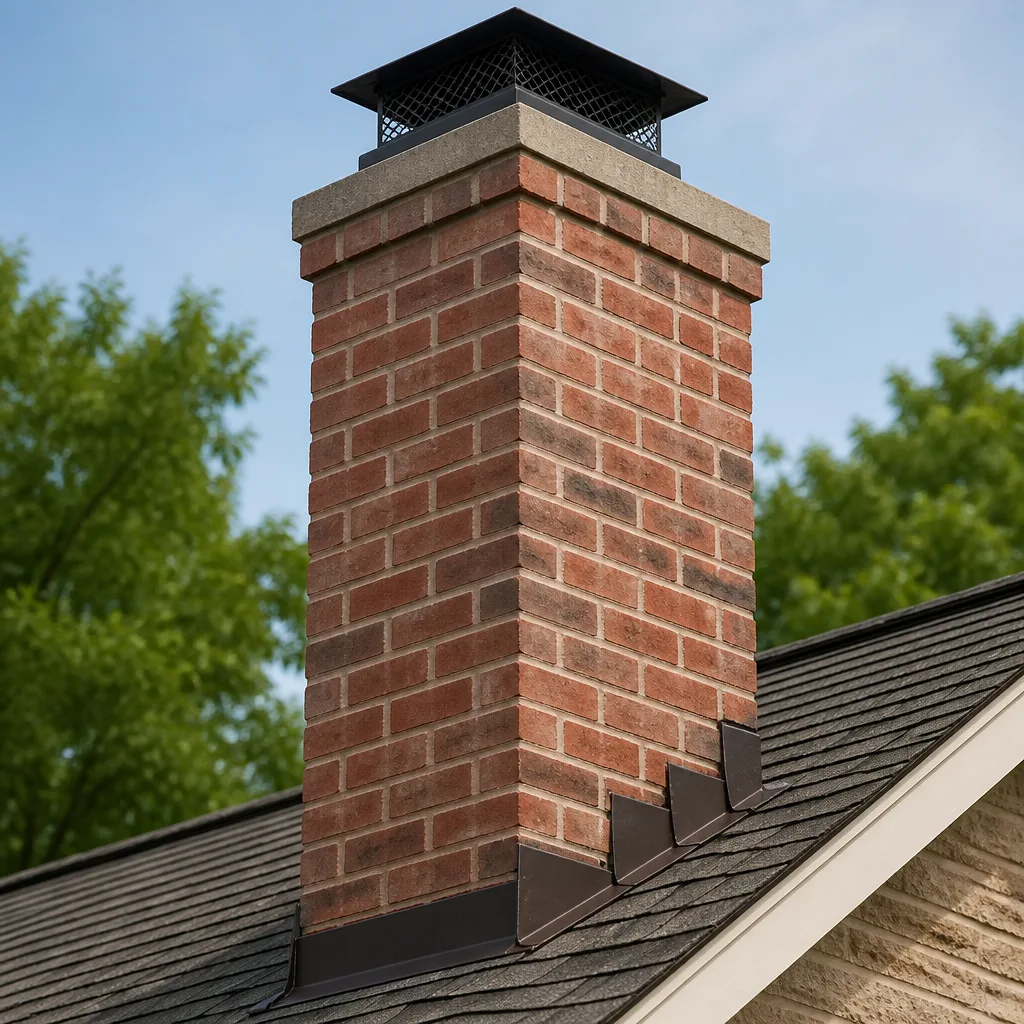
- Crown condition: Look for cracks, chips, or separation from the flue tile. The crown is the concrete slab that tops your chimney, and its job is to shed water away from the flue and masonry. Milford’s freeze-thaw cycles are brutal on crowns. Water enters hairline cracks, freezes, expands, and widens them. By spring, a crack that was invisible in October can be an eighth-inch gap. We repair crowns with specialized crown coat materials or rebuild entirely when deterioration is advanced.
- Cap integrity: Is the cap still firmly attached? Are the mesh sides intact, or has ice or wind damage created gaps? A missing or damaged cap is an open invitation for water, animals, and debris. We install caps from Famco and Copperfield with proper sizing for Milford’s common flue dimensions.
- Flashing at the roofline: Look for lifted edges, rust spots, or gaps where the flashing meets brick. Spring rains in Pike County are steady and soaking. Flashing that held through winter often fails under April’s sustained wet.
- Brick and mortar: Spalling (flaking or chipping brick faces), missing mortar joints, or new cracks in the chimney structure. These indicate water infiltration that has progressed beyond the surface.
Inside, even if you swept in fall, spring is the right time for a condition check. The burning season has deposited ash and fine particulate on the smoke shelf. Creosote that didn’t fully harden in winter’s variable temperatures may have glazed. And any performance issues you noticed, smoke rollback or slow draft, should be diagnosed while the memory is fresh.
Spring repairs have two advantages: contractor availability is better than fall, and materials cure properly in moderate temperatures. Crown repairs, tuckpointing, and waterproofing applications all perform better when overnight lows stay above 40 degrees consistently. In Milford, that’s typically mid-April through mid-May.
We’ve rebuilt chimney crowns in May that were cracked in January, and the homeowners always say the same thing: “We noticed the crack in February but figured we’d deal with it in the fall.” By September, water had destroyed the top three courses of brick. The repair cost tripled. Spring attention prevents fall emergencies.
Timing Your Cleaning Around Milford’s Shoulder Seasons
Milford’s geography creates distinct shoulder season patterns that affect chimney service timing. The town sits at roughly 1,200 feet elevation in the Pocono Plateau, which means winter arrives earlier and leaves later than in the Lehigh Valley or Philadelphia suburbs. First frost typically hits by October 1. Last reliable frost passes by May 10. That compresses the safe repair window and extends the heating season.
Here’s how to use shoulder seasons to your advantage:
| Timing | Action | Advantage |
|---|---|---|
| Mid-August to September 10 | Schedule fall inspection/sweeping | Best availability, complete drying, full repair window before first fire |
| September 15 to October 15 | Execute fall service if not yet done | Still pre-rush, weather cooperative for exterior work |
| October 15 to November 15 | Emergency-only scheduling; expect delays | Not recommended for routine service |
| Mid-April to May 15 | Spring post-season assessment and repairs | Good availability, proper curing temperatures, damage visible |
| May 15 to mid-July | Off-season inspection, cap/crown work, waterproofing | Best pricing flexibility, no urgency pressure, full material cure time |
The trap to avoid is the “we’ll just do it next year” deferral. We hear this every April: “The fireplace worked fine all winter, so we’ll schedule in the fall.” What worked fine was a system operating with hidden damage. Another season of water intrusion, another season of creosote baking onto compromised flue tiles, and the fall inspection reveals problems that could have been minor repairs in May.
For homeowners in Milford’s outlying areas, Grey Towers, or along the Delaware River corridor where service travel times are longer, scheduling flexibility matters more. The sweeps who cover your area have limited slots. Booking your fall service by August 1 and your spring assessment by March 1 locks in your preferred timing.
What a Level-2 Camera Inspection Reveals
A Level-2 inspection is the NFPA-211 standard for real estate transactions, post-damage assessments, and any change in appliance or fuel type. For our purposes, it’s the baseline for understanding what your chimney actually looks like inside, as opposed to what a flashlight and mirror suggest from the hearth.
Here’s what the camera sees that human eyes cannot:
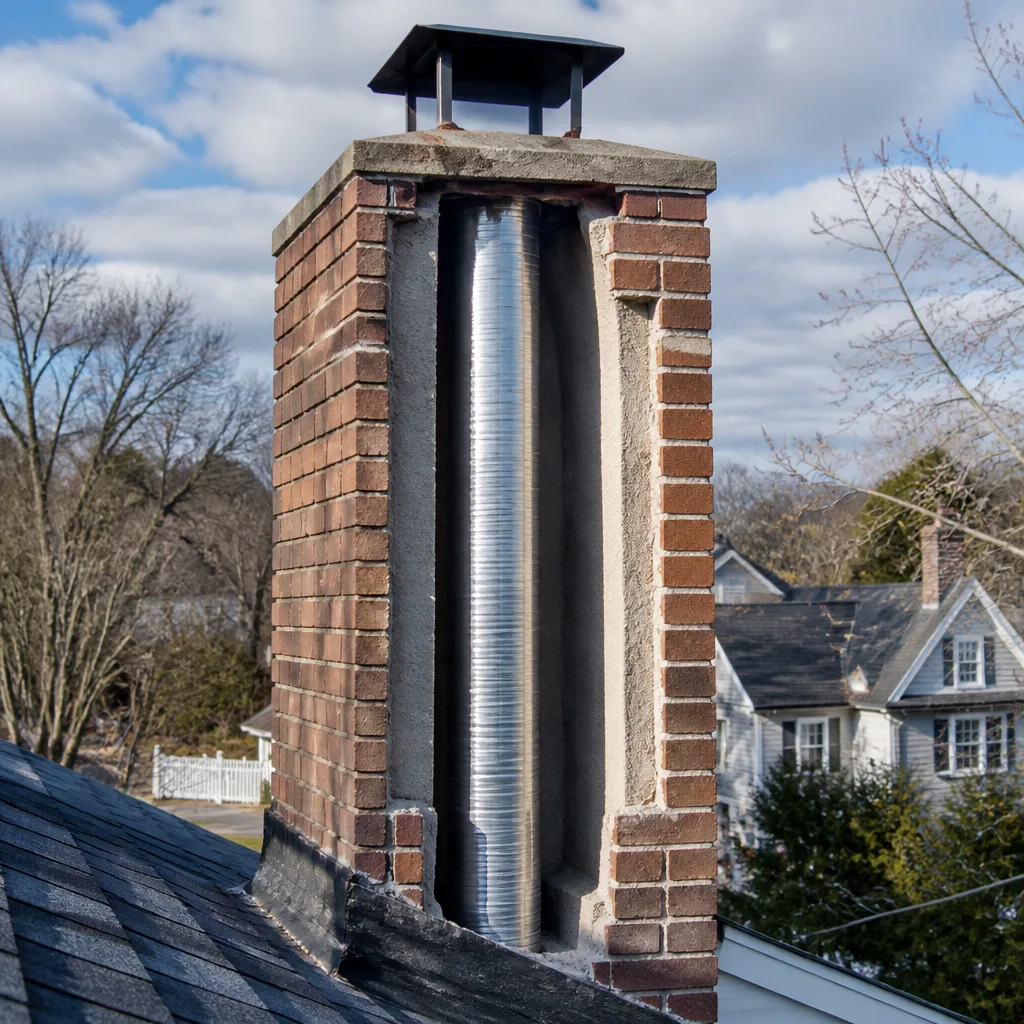
- Flue tile condition: Hairline cracks, spalling, shifted tiles, or missing mortar between tile joints. These defects allow heat and combustion gases to reach combustible framing. In Milford’s older homes with original clay flue liners, tile deterioration is the most common hidden hazard we find.
- Creosote buildup patterns: The camera reveals whether deposits are even or concentrated, which indicates drafting problems. It identifies stage 3 glazed creosote that brushing alone won’t remove. And it shows whether previous sweepings were thorough or left significant deposits.
- Obstructions and debris: Bird nests, collapsed liner sections, construction debris from original build, or fallen mortar. We’ve found all of these in Milford chimneys that passed visual inspection.
- Proper construction and clearances: The camera verifies that the flue is correctly sized for the appliance, that no combustible materials are visible in the wall cavity, and that the smoke chamber transitions properly to the flue.
Our Level-2 inspections end with dated, labeled photos you can see and a plain-English verdict. “This flue is sound for continued use with normal maintenance.” “This crack requires monitoring; re-inspect in 12 months.” “This condition requires repair before next use.” No jargon, no pressure, just the facts documented like an engineer and explained like a craftsman.
The inspection takes 45 minutes to an hour for a standard fireplace. We use equipment from Olympia Chimney and professional-grade cameras that record in sufficient resolution to document findings for insurance or real estate purposes if needed.
If you’re buying a home in Milford, request a Level-2 inspection as part of your due diligence. If you’ve never had one on your current home, it’s the single most informative service we offer. Chimney Repair in Milford covers the repair options when inspection finds conditions that need attention.
Common Mistakes to Avoid
- Waiting for a problem to appear: Chimney problems rarely announce themselves dramatically until they’re expensive. A slow leak destroys mortar for two years before you see a water stain. A cracked flue tile allows heat transfer to framing for seasons before you smell smoke. The homeowners who spend least over time are those who inspect before symptoms.
- Hiring based on price alone: The lowest bid for chimney service in Milford often comes from operators who carry no proper insurance, use homeowner-grade equipment, and cannot document their work. We’ve been called to correct sweepings that left more debris than they removed, and to repair crowns “sealed” with caulk that failed in the first freeze.
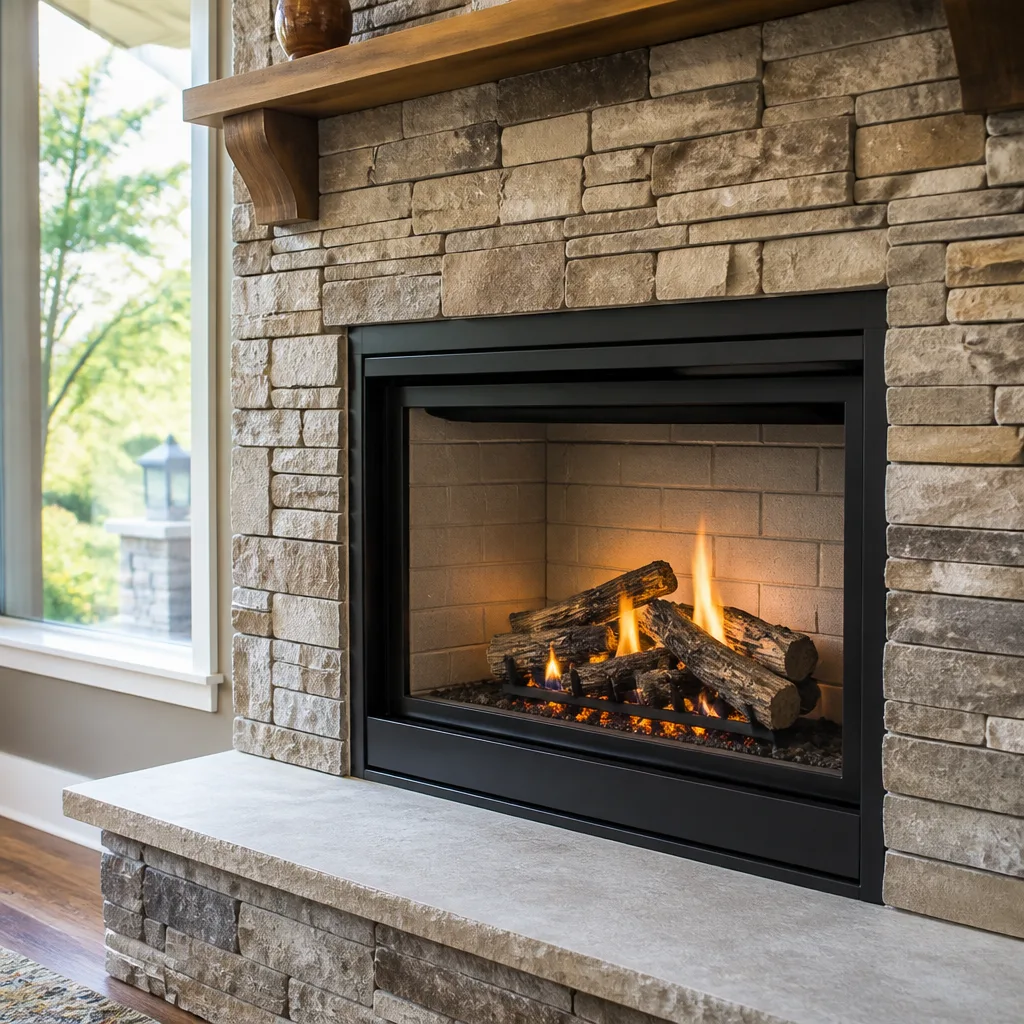
- Assuming a gas fireplace needs no attention: Gas appliances produce corrosive condensation, and their liners deteriorate differently than wood-burning flues. We inspect gas fireplace chimneys and find liner failure, improper venting, and blocked termination caps regularly. The risk is carbon monoxide, not creosote fire, but the consequence is equally serious.
- Ignoring Milford’s specific climate factors: Our combination of humidity, freeze-thaw cycling, and wooded lots with abundant leaf debris creates conditions that don’t exist in drier or more urban markets. A maintenance schedule appropriate for Arizona or even Philadelphia will leave Milford chimneys vulnerable.
- Skipping the spring assessment after a mild winter: “We didn’t burn much, so it’s fine.” Maybe. But freeze-thaw damage to crowns and caps occurs regardless of use. Animals nest in unused chimneys. And the mild winter you noticed may still have included temperature swings that stressed your masonry.
- Attempting DIY repairs on structural components: Waterproofing sprays from hardware stores often trap moisture inside brick. Crown repair kits without proper surface preparation fail in one season. And anything involving ladder work on a pitched roof above 15 feet carries genuine injury risk. We’ve seen competent homeowners create $3,000 problems trying to save $300.
- Deferring because “the house passed inspection”: Home inspections are valuable but limited. They’re visual, they’re generalist, and they don’t include internal camera examination of flues. We’ve found significant chimney defects in homes that passed inspection six months prior. The inspector isn’t negligent; the tool and scope are different.
When to Call a Professional
Call when you notice any performance change, any new odor, any visible staining, or when your annual inspection is due. Call before you modify any appliance, convert from wood to gas, or purchase a home with an unfamiliar chimney system. Call if you’ve had a chimney fire, even a small one, even if it seemed to self-extinguish.
The specific scenarios that warrant immediate professional attention: smoke entering living spaces, a chimney fire (roaring sound, dense smoke, hot exterior masonry), visible cracks in the flue or exterior structure, water entry during rain, or animal sounds from the flue during the burning season.
Hearthstone Chimney Co. offers free estimates in Milford. A live person answers every call, 24 hours a day, 7 days a week. Call (610) 991-8179, and we’ll schedule a time that works for you. Most jobs are completed in a single visit. The estimate we provide is the price on the invoice. And everything we do is backed by the 90-Day Done Right Promise, in writing, with no arguing.
We’ve served Milford and surrounding communities since 1984. Russell Haines has owned and operated Hearthstone Chimney Co. with the steady commitment that comes from planning to be here in thirty more years. That changes how you treat every customer and every repair.
Frequently Asked Questions
A standard chimney sweeping and basic Level-1 inspection in Milford typically ranges from $150 to $250 for a conventional fireplace, while a Level-2 camera inspection runs $250 to $400 depending on accessibility and flue configuration. Our $89 Seasonal Tune-Up covers basic sweeping and inspection for standard fireplaces during promotional periods. Call (610) 991-8179 for an exact quote, estimates are free.
The National Fire Protection Association recommends annual inspection for all chimneys, and sweeping when creosote buildup reaches 1/8 inch. For Milford homeowners burning hardwood as primary heat, that usually means annual sweeping. Occasional fireplace users may inspect annually and sweep every two to three years if buildup is minimal. Gas fireplace chimneys need inspection every two years minimum, or annually with heavy use. Call us to assess your specific burning pattern.
You need a new liner when the existing one is damaged beyond repair, improperly sized for your appliance, or missing entirely. We don’t recommend liner replacement without camera evidence you can see. Cracked clay tiles in an unlined chimney, or a stainless liner with visible deterioration or improper connections, are clear indications. In some cases, a damaged liner can be repaired with HeatShield cerfractory sealant rather than full replacement. We’ll show you exactly what we found and explain whether repair or replacement is appropriate for your situation.
Skipped maintenance leads to three predictable outcomes: creosote accumulation increases chimney fire risk, moisture intrusion causes progressive masonry damage, and undetected defects allow combustion gases including carbon monoxide to enter living spaces. In Milford’s climate, water damage accelerates noticeably, we’ve seen crowns fail completely and upper chimney sections require rebuild within five years of neglected maintenance. The cost of prevention is always lower than the cost of repair.
You can remove superficial ash and debris from the firebox, and you can inspect the accessible portions of the damper and smoke chamber from below. You cannot safely assess flue condition, remove glazed creosote, or evaluate structural integrity without proper equipment and training. The risk of missing a critical defect, or creating damage with improper tools, outweighs any savings. For the genuinely dangerous components, high-temperature flue gases and potential structural failure, we recommend professional evaluation.
Summer chimney odors in Milford usually indicate moisture-driven problems: creosote deposits reacting with humidity to produce acidic compounds, mold or mildew growth in a damp flue, or animal remains or nesting material decomposing. The odor often worsens during humid periods and when air conditioning creates negative pressure that draws air down the flue. A summer inspection identifies the specific cause, and solutions range from thorough sweeping and deodorizing to moisture control through proper capping and waterproofing.
Exterior masonry repairs, crown work, and waterproofing are best done in spring and early summer when temperatures stay consistently above 40 degrees overnight, allowing proper material curing. Before scheduling, check Chimney Cleaning Permits, Codes & Inspections in PA: What You Need to Know to confirm any local requirements. Liner replacement and interior work can be done year-round. Fall repairs are possible but compete with inspection demand and face weather delays. We recommend scheduling non-urgent repairs for April through June in Milford.
The Bottom Line
Milford’s four-season climate demands four-season chimney attention. Summer humidity damages liners and mortar silently. Fall offers the best preparation window but only if you use it early. Winter burning reveals problems through specific warning signs that mean stop and call. Spring exposes freeze-thaw damage that worsened unseen. The homeowners who spend least and worry least treat chimney care as a calendar discipline, not an October panic. Schedule your inspection, know what your chimney looks like inside, and address findings on their own timeline rather than weather’s. Done right, and we stand behind it.
Written by Russell Haines, Owner at Hearthstone Chimney Co., serving Milford since 2014.